

The approach of Christmas always casts a playful light on the awkward relations between capitalism and Christian ideals.
An indispensable annual binge for the modern consumer economy, the Yuletide also brings forth predictable tidings of great indignation over "commercialism" and "greed."
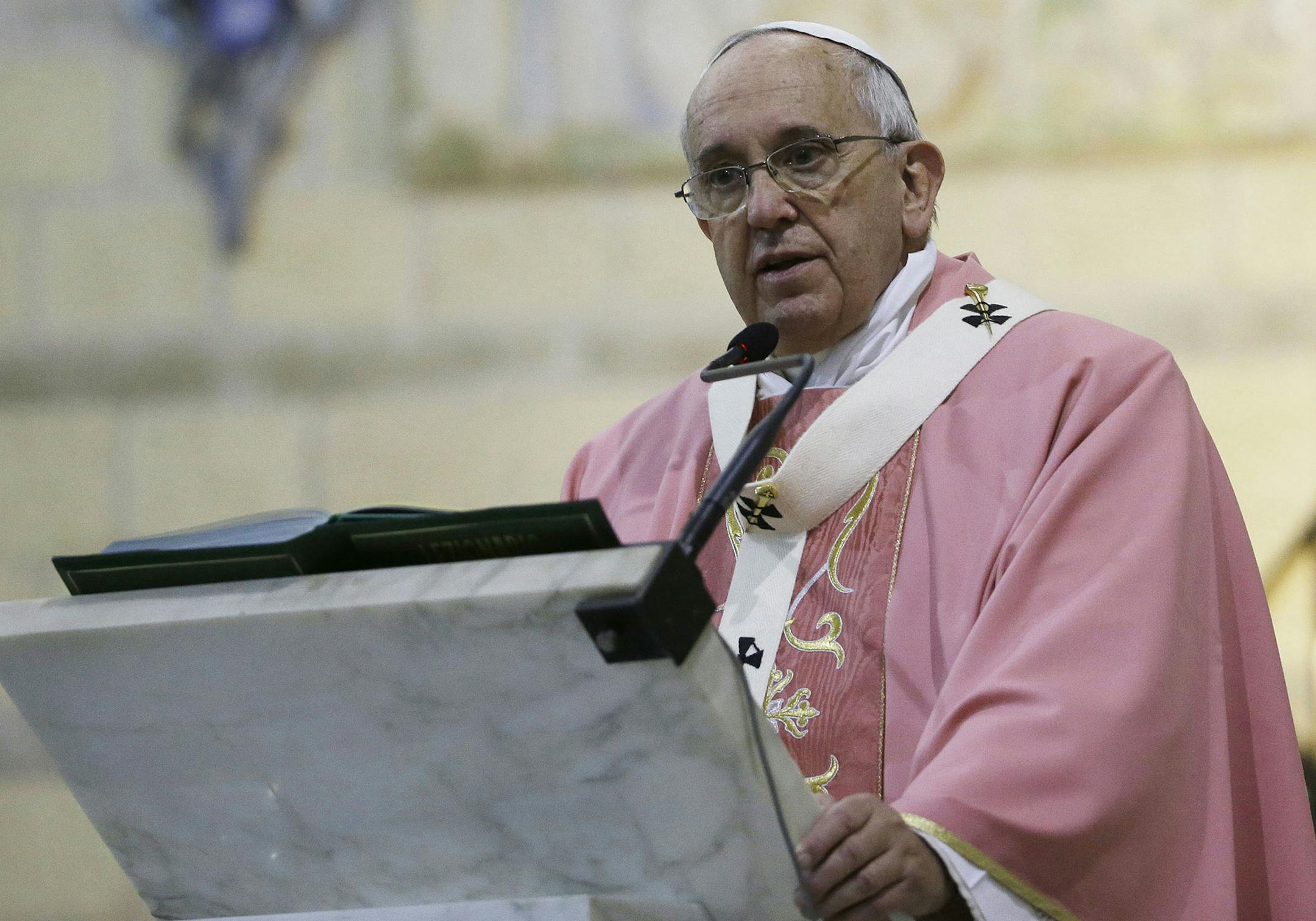
But in recent years we've hardly needed Christmas to remind us of the tension between Christianity's charitable values and consumer capitalism's competitive ones. We've had Pope Francis to remind us, and he never tires of the theme.
Just in recent weeks, Francis declared to one audience: "The poor must not be seen as a means to making a profit!"
Elsewhere, he lamented that "the struggle against hunger … is hindered by market priorities, the primacy of profit, which have reduced foodstuffs to a commodity like any other, subject to speculation …"
These are merely recent additions to a much-discussed stream of left-leaning, populist pronouncements from Francis since his election as pope in 2013. The anti-materialist spirit is nothing new in church teaching, but Francis brings more plain-spoken zest to this message than his predecessors did (as to most things).
The passion of Francis is part of his charm, of course, and part of his virtue. His personal and institutional humility, his emphasis on forgiveness and tolerance — and not least his intense focus on world poverty — all mark him as a wise and good spiritual leader with gifts to help heal the challenged church he leads.
But precisely because Francis is so widely admired, his sweeping and overly simple condemnations of profits and markets and speculation and the rest are worrisome to those of us who think free markets, for all their limitations, are a big part of what's needed to win the struggle against hunger and poverty around the world.


