

Minnesotans typically ignore one of our most important resources -- our oceans -- yet these unfathomably large bodies of water make our lives possible and enjoyable.
All living things ultimately owe their existence to our oceans: That is where life originated. The food we eat either comes directly from oceans or is greatly influenced by them via ocean effects on water in the atmosphere and on the land.
Also, oceans are the "heat engines" of the Earth, absorbing and moderating the heat from the sun. Nearly half of the oxygen we breathe comes from photosynthesis in the oceans. Lastly, the oceans fill our lakes. As a limnologist (a scientist who studies freshwaters), I would be jobless without them.
Yet our oceans are threatened by ignorance, neglect and overuse. Our ignorance is due in a large part to the vastness of the oceans, which cover two-thirds of the Earth's surface. Satellites have enabled scientists to greatly increase our understanding of the oceans, but this is analogous to trying to understand the human body by looking only at the skin.
Yes, it helps, but if you want to really understand something, you need to examine its functional parts. The surface ( or "skin") of the ocean provides little information on what happens below. The oceans' average depth is about 3 miles, and maximum depth is about 7 miles.
To understand what is going on at these depths isn't cheap. It costs more than $10,000 a day to get to these parts of the ocean via a ship, and that's not counting all of the cost for the crew, scientists and instruments.
In the case of our oceans, ignorance is not bliss, it's just plain irresponsible. We now know that changes in the way that heat is distributed in the central Pacific, the so-called cycles of El Niño and La Niña, have important implications for weather patterns way up here in Minnesota and around the globe. They're at least in part responsible for current and historic droughts in East Africa and the southern United States.
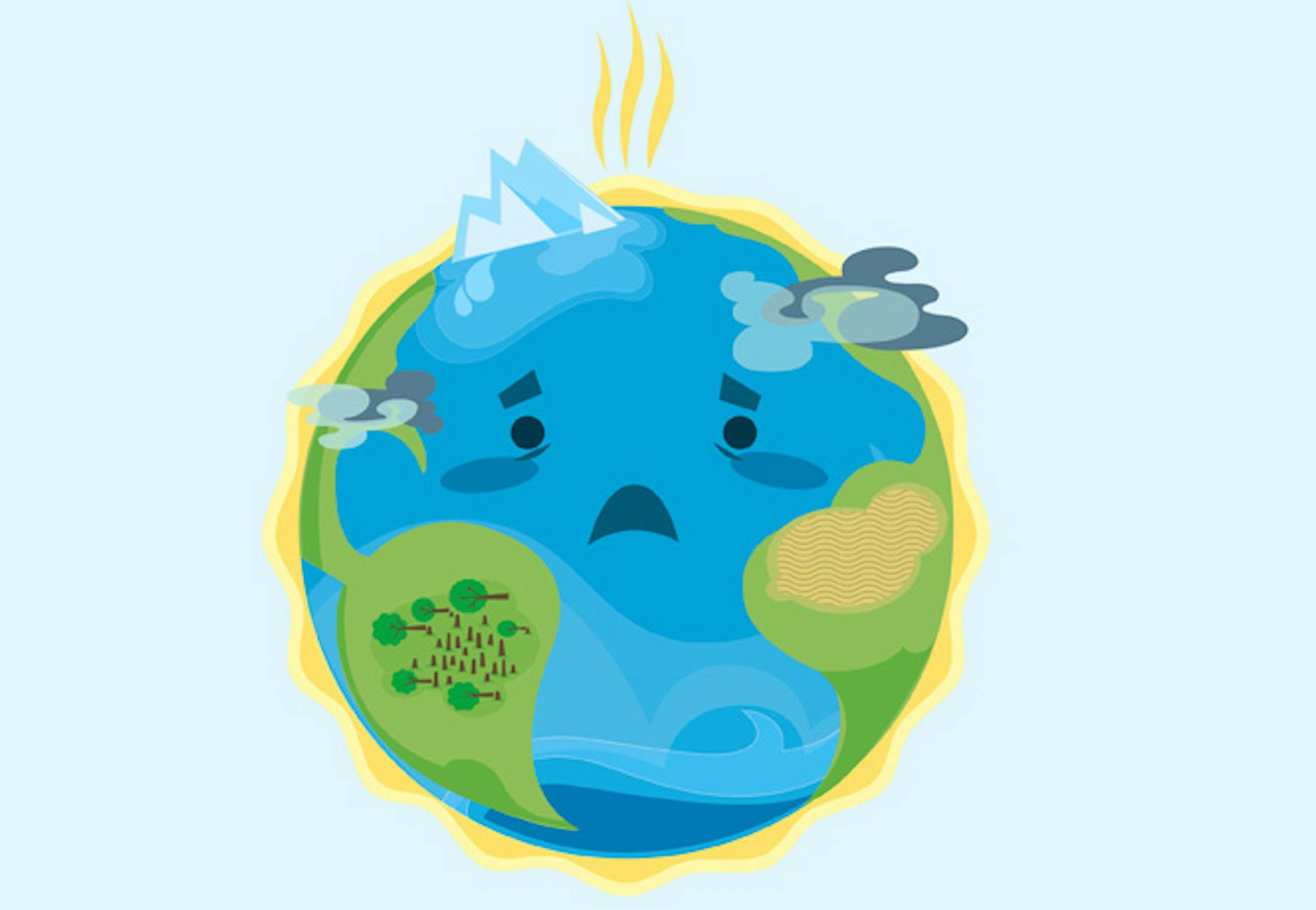
Other scientific research on the oceans indicates that the Arctic Ocean is warming up at record rates, nearly two times as fast as at lower latitudes, causing the ice there to disappear. While less ice may be good for the Northern Hemisphere's shipping industry, a warmer Arctic and a warmer surface ocean in general means more water in the atmosphere and more extreme precipitation events.


