

Opinion editor's note: Editorials represent the opinions of the Star Tribune Editorial Board, which operates independently from the newsroom.
•••
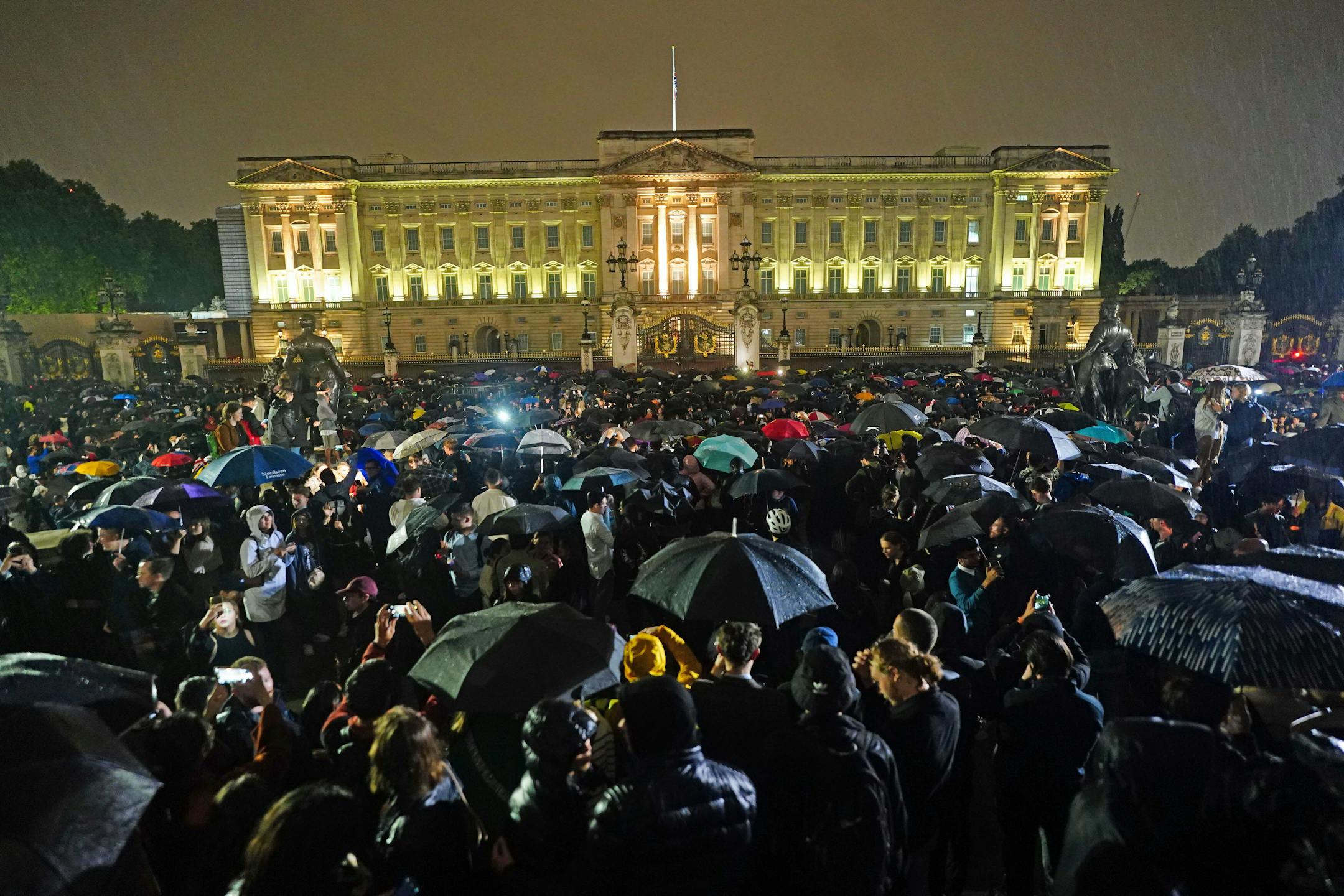
It's not exactly a surprise when a 96-year-old dies, but the passing of Queen Elizabeth II on Thursday nevertheless delivered a "huge shock to the nation and the world," as British Prime Minister Liz Truss observed.
One needn't be a fan of royalty to join in the mourning for Elizabeth, the longest-serving monarch in British history. She was a source of strength and dignity and, above all, stability through all the upheavals that have visited the world since 1953. Britons who could agree on almost nothing else could come together to respect their head of state.
Truss, the 15th and final prime minister to present herself to Elizabeth, sounded the right notes in her brief appearance before the cameras outside 10 Downing Street. As she pointed out, Elizabeth would have approved her traditional peroration: "God save the king."
She was referring to Charles, Elizabeth's heir, who has waited decades to ascend the throne. Truss called him King Charles III, a title that he — and the world — must have at times doubted he would ever have.
But Britain will indeed have a new monarch — the same week Truss became the nation's prime minister. And while the roles are discreet and distinct by design, they are somehow intertwined. That's especially true now, with the United Kingdom buffeted by multiple crises that call for the nation, and its new leaders, to rally.
That role came naturally to Elizabeth, who ascended to the throne at the age of 25 but showed an early and enduring ability to offer private guidance to prime ministers and public reassurances to an at-times shaken nation.


