

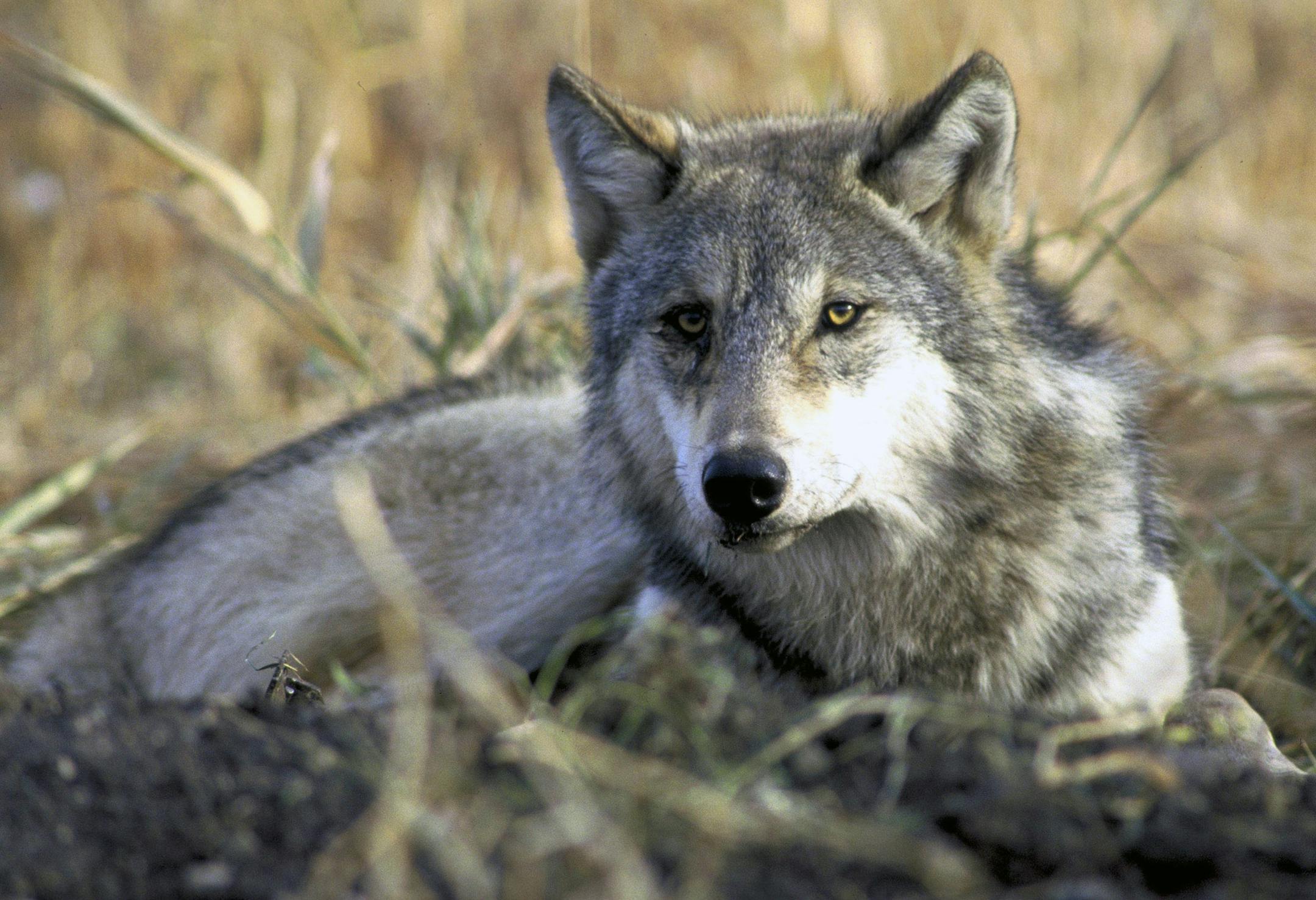
The gray wolf in Minnesota could go from protected to hunted -- perhaps as soon as next fall -- after it is removed from the endangered species list in January.
If the delisting proceeds as announced Wednesday, it will be the third time that the federal government has removed the wolf's protected status. This time, most experts think it will stick.
After 30 years of protection, the wolf now is more than capable of standing on its own four feet, said state officials and environmental groups.
The iconic predator, long a poster child of wildlife conservationists, has recovered to a stable population of 4,000 in the Upper Midwest. About two-thirds of them are in Minnesota's north woods, by far the largest population of any state. Minnesota officials said there are enough to allow them to be hunted, which could occur as early as next fall.
"Gray wolves in the western Great Lakes region are now fully recovered and healthy," said Interior Secretary Ken Salazar.
Sen. Amy Klobuchar, D-Minn., pushed the Department of the Interior to delist the wolf before others in Congress took matters into their own hands by initiating legislation that would have forced the Great Lakes gray wolf off the endangered species list.
Similar legislation earlier this year effectively delisted the Rocky Mountain gray wolf. Congress took action after the earlier attempts to delist the wolf were thwarted by years of drawn-out litigation. But many environmentalists said that delist- ing by congressional fiat undermined a highly successful federal law credited with saving the wolf and many other endangered animals.
"We did this the right way," Klobuchar said Wednesday.


