

Gov. Mark Dayton on Tuesday announced support for a major delay in the Southwest Corridor light-rail project, keeping alive alternatives to a controversial plan to dig tunnels for the system in a recreational corridor of Minneapolis.
The governor's decision could delay for three months a crucial vote Wednesday on the Twin Cities' largest transit project while planners scrutinize the potential environmental effects of the two tunnels and explore other options. Dayton reacted to opposition from Minneapolis officials to the tunnel plan and indicated that sticking to the earlier schedule without answering key questions could jeopardize the project.
"This is on a collision course with the opposition that exists now and the emotions as high as they are and … we need to step back and everybody take a deep breath," the governor said. He made his remarks after a private meeting that included Minneapolis Mayor R.T. Rybak, Minnesota House Speaker Paul Thissen and Metropolitan Council Chairwoman Susan Haigh, whose agency is overseeing the project.
Dayton said that unless the $1.55 billion project gained acceptance in Minneapolis, its prospects for advancing in the Legislature were "slim to none."
But business groups that support the Southwest Corridor light-rail line as spurring economic development said the delay could put the project at risk.
"We are disappointed in Governor Dayton's decision," leaders of the Minneapolis Regional Chamber of Commerce and St. Paul Area Chamber of Commerce said in a statement. "This delay imperils … federal support and could mean tens of millions of dollars in increased costs."
The Met Council had been expected to vote Wednesday on approving the project, but the decision could postpone that vote for 60 to 90 days.
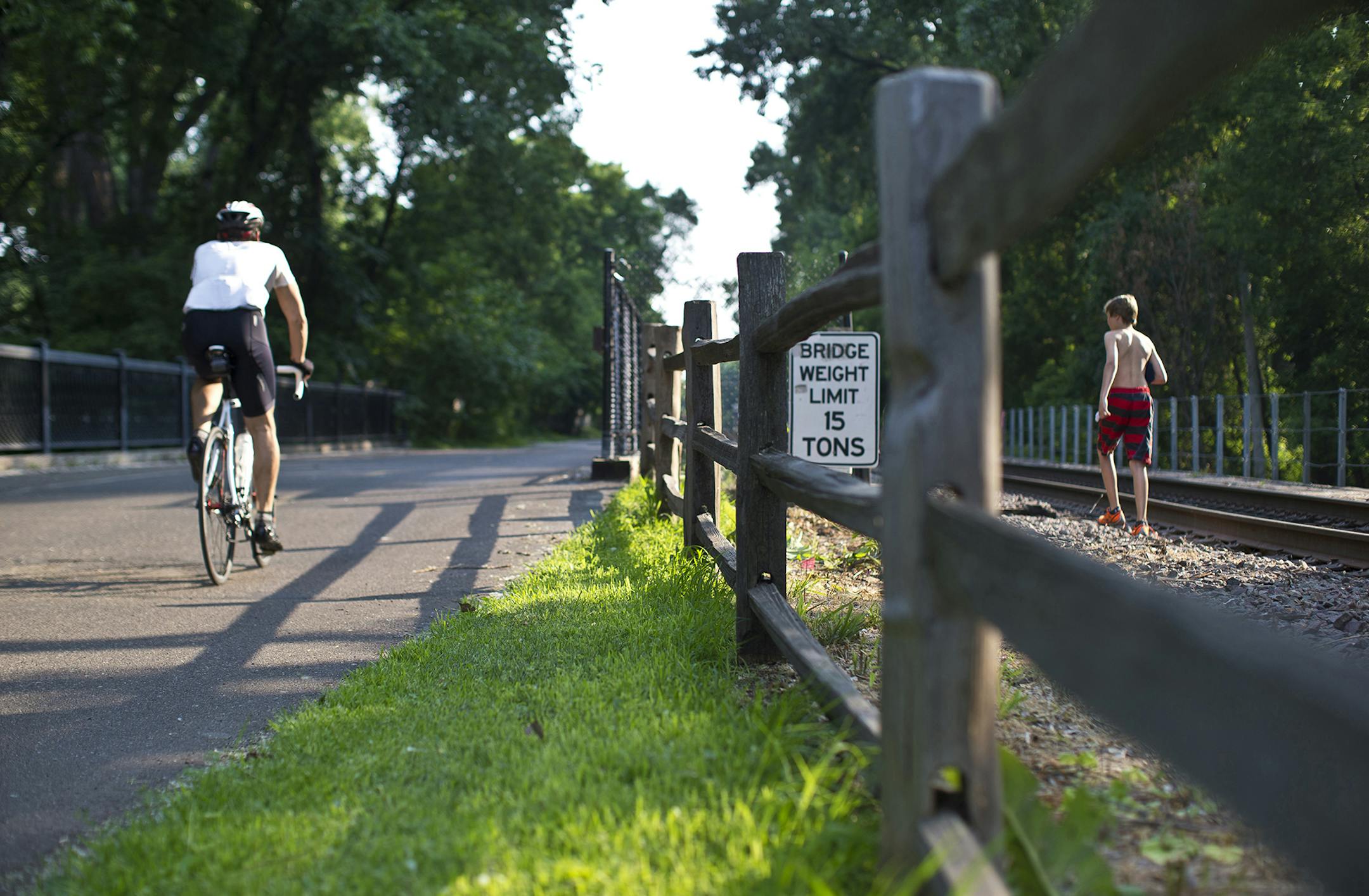
As an alternative to digging tunnels in the Kenilworth corridor, Minneapolis officials had pushed for another look at rerouting freight train traffic out of the area to make room for the light-rail line. They also pressed the Met Council to conduct a more in-depth study of the tunnels' effects on nearby lakes and groundwater.


