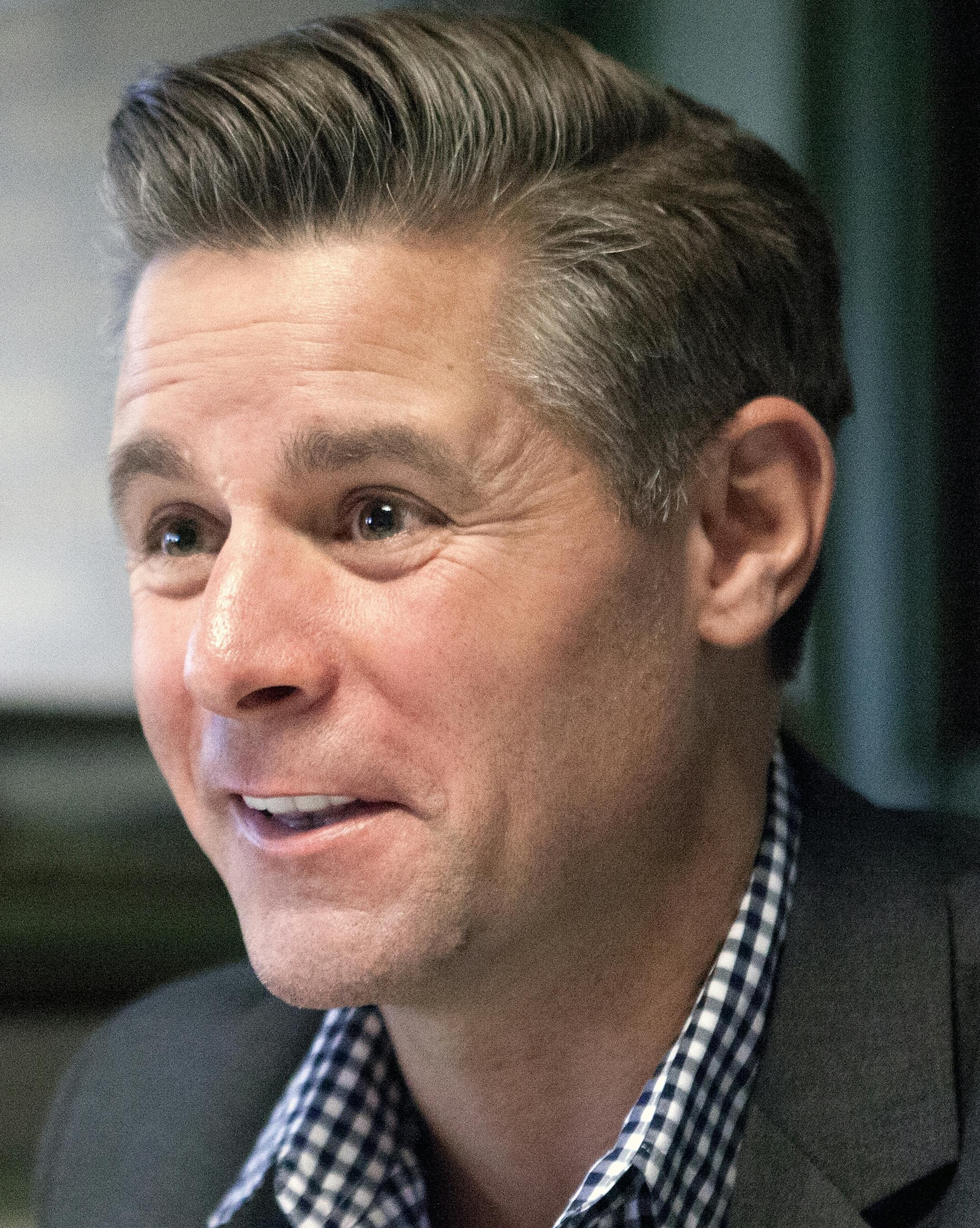
WASHINGTON – Republican Stewart Mills III has cut his hair short. He has sold his family's successful home improvement and outdoor retailer. And now he is trying to rebrand himself as a thoughtful conservative as he makes a second run to unseat Democratic U.S. Rep. Rick Nolan.
The 44-year-old Mills faces a tough balancing act. He is aggressively trying to court voters in a district besieged by thousands of job losses while also shunning the image rivals painted during his previous campaign of a millionaire playboy with yachts and flowing hair who lucked into a windfall through his family's hard work turning Mills Fleet Farm into a retailing empire.
The sale of the company this year has freed Mills to focus money and energy on his rematch against Nolan, a 72-year-old second-term congressman from Brainerd, who took a break from public service after serving in Congress in the 1970s.
"We will not engage in the old school slash-and-burn blood sport of politics," Mills said. "They [Nolan's campaign chiefs] are not going to have the ability to run the same ads, because they won't be able to pick on such superficial things such as my long hair."
Mills is also happy to finally open up about his business after what he calls a "painful" and "emotional" decision to sell to the New York-based investment company KKR.
"Certain members of the family did want to sell, and it's unfortunate, but at the end of the day we had to make the decision," he said. "After running the numbers, what it would have taken to buy my other family members out … it would be way too much debt and way too much leverage on the business."
Mills said he and his family have been committed to the northern Minnesota his entire life and they are major job creators in the area. The Mills Fleet Farm stores — which sell everything from live bait to fleece jackets — were started in 1955 by Stewart's father and uncle, eventually blossoming to 36 locations dotting Minnesota, North Dakota, Wisconsin and Iowa. The company has 6,500 full- and part-time employees.
Mills has faced criticism from opponents who saw a glaring conflict between the realities of running a modern business and his political ideology, particularly as he embraced the role of a small-government, budget-slashing conservative.