

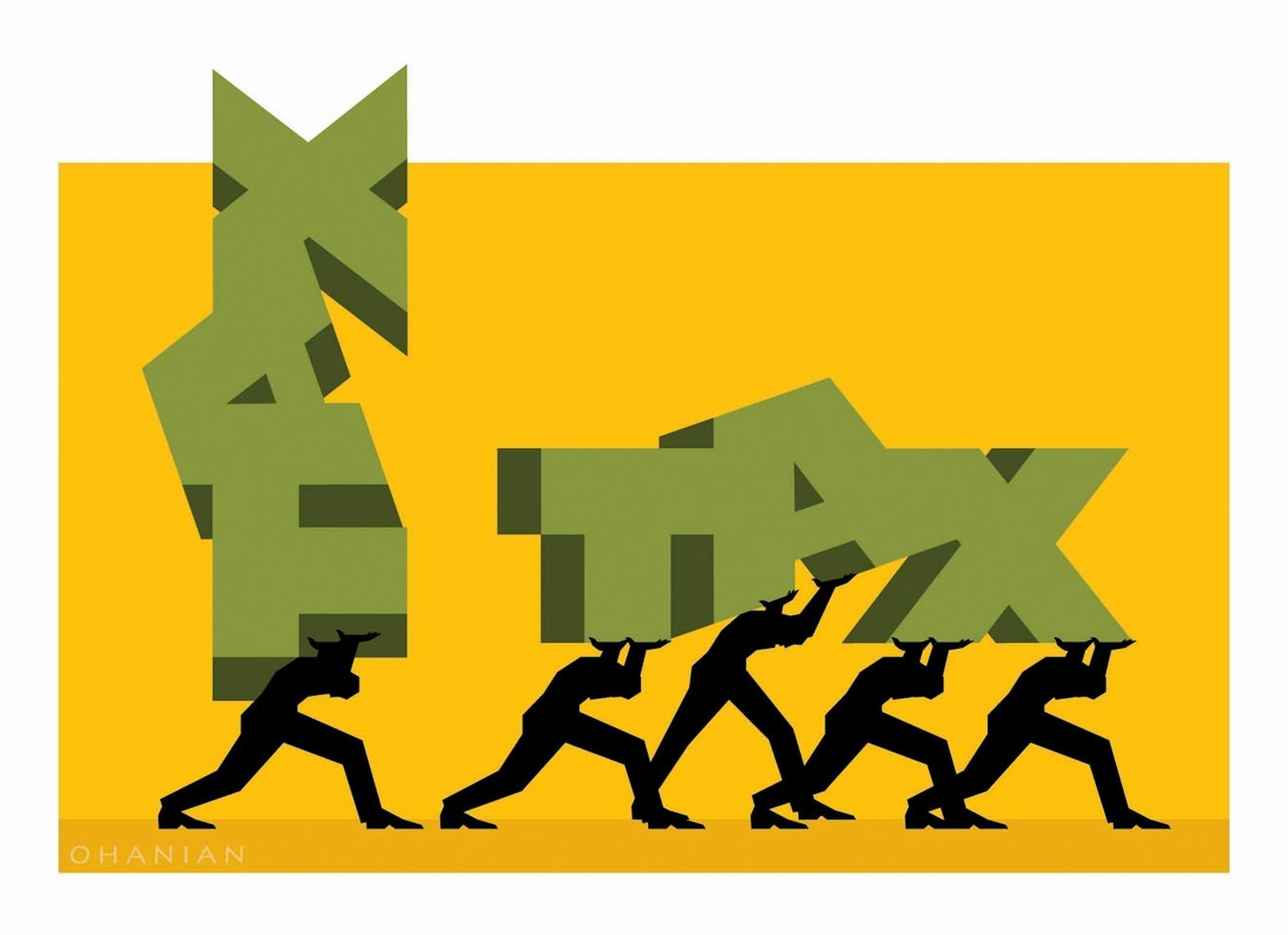
After every presidential election comes the battle of the Mandate.
The president claims to have one. (Typically, it's the president's braggy advisers who claim he has one.) The losing party denies it. Yeah, sure, the other guy won, but the other party controls Congress (Democrats, 1984), and the third-party candidate spoiled the vote (Republicans, 1992), and not in a century has somebody been re-elected with so few electoral votes (Democrats, 2004), and anyway, the guy's a secret Muslim who suckered people because he was never vetted by the media (you shouldn't need a clue for this one).
The anti-Mandate meme is struggling now. Part of the problem stems from the pre-election "unskewed polls" craze, which led to conservatives predicting a big Romney win, which made it harder to minimize what actually happened. The bigger part of the problem: The president promised to raise some tax rates. Voters agreed.
Republicans haven't even tried to spin this away. At last week's meeting of the Republican Governors Association, men who had failed to elect Mitt Romney admitted that they'd lost the tax issue. "Elections have consequences," said Virginia Gov. Bob McDonnell. "Clearly, overwhelmingly, people in America believe that raising rates on people that are in the upper income is part of the mix, the president is supporting that."
Last year, at one of their overstuffed debates, the party's 2012 presidential candidates were asked whether they'd accept "one dollar of tax increases for 10 dollars of cuts." They said no. Asked a similar question now, the Republicans who didn't lose are shrugging. Gov. Butch Otter of Idaho, safe red territory, said he'd accept tax hikes "if I got a lot of the things that I wanted."
There's really no disagreement about what hikes we're talking about, or how popular they are. In 2012, as in 2008, President Barack Obama pledged to keep most of the 2001 and 2003 income tax cuts, but not the one on incomes above $250,000. It would rise from 35 percent to 39.6 percent. That would raise, probably, $823 billion over a decade. Obama's tax stance was to the right of Bill Clinton's and Al Gore's, which is sort of the secret of the whole election - centrist tax policy girded by happy class warfare against a man who owned a car elevator.
The top rate cut was always the least popular piece of Bush's tax plans. That was why he said "everyone" would get a tax cut if it passed; that was also why Romney, in his best presidential debate, said he wasn't going to actually cut taxes on the rich, because he'd nail 'em later by closing loopholes. In the network exit poll, 47 percent of voters wanted to hike the tax rate on incomes over $250,000. Thirteen percent wanted to soak everybody; only 35 percent wanted no tax hikes. "There was one thing that everybody understood was a big difference between myself and Mr. Romney," said Obama on Wednesday. "I think every voter out there understood that that was an important debate, and the majority of voters agreed with me. By the way, more voters agreed with me on this issue than voted for me."
Republicans get that, and some of them knew it would happen. The "one dollar for 10 dollars" comment, says retiring Rep. Steve LaTourette, R-Ohio, was "one of the dumbest answers Romney was forced into giving, a stupid answer built out of a right-leaning process. There isn't anybody sitting at home who thinks that. There's a guy sitting on his couch in Ohio watching that, saying: 'Who wouldn't take that deal?' "


