

Has there ever been a piece of software more reviled or that's had its obituary written more often than Microsoft Windows?
A year ago, Google and its hardware partner, Samsung, introduced a bold effort to drive a stake through the heart of Windows: the Chromebook laptop.
Here was a simple, easy-to-use computer that relied on the Internet to handle every task, from running programs to storing documents -- all without a line of Microsoft code.
Both the product and its reception in the marketplace were less than stellar. Now Google and Samsung are back with a new pair of computers, the Chromebook Series 5 laptop and Chromebox Series 3 desktop computer. They've improved from last year, but not enough.
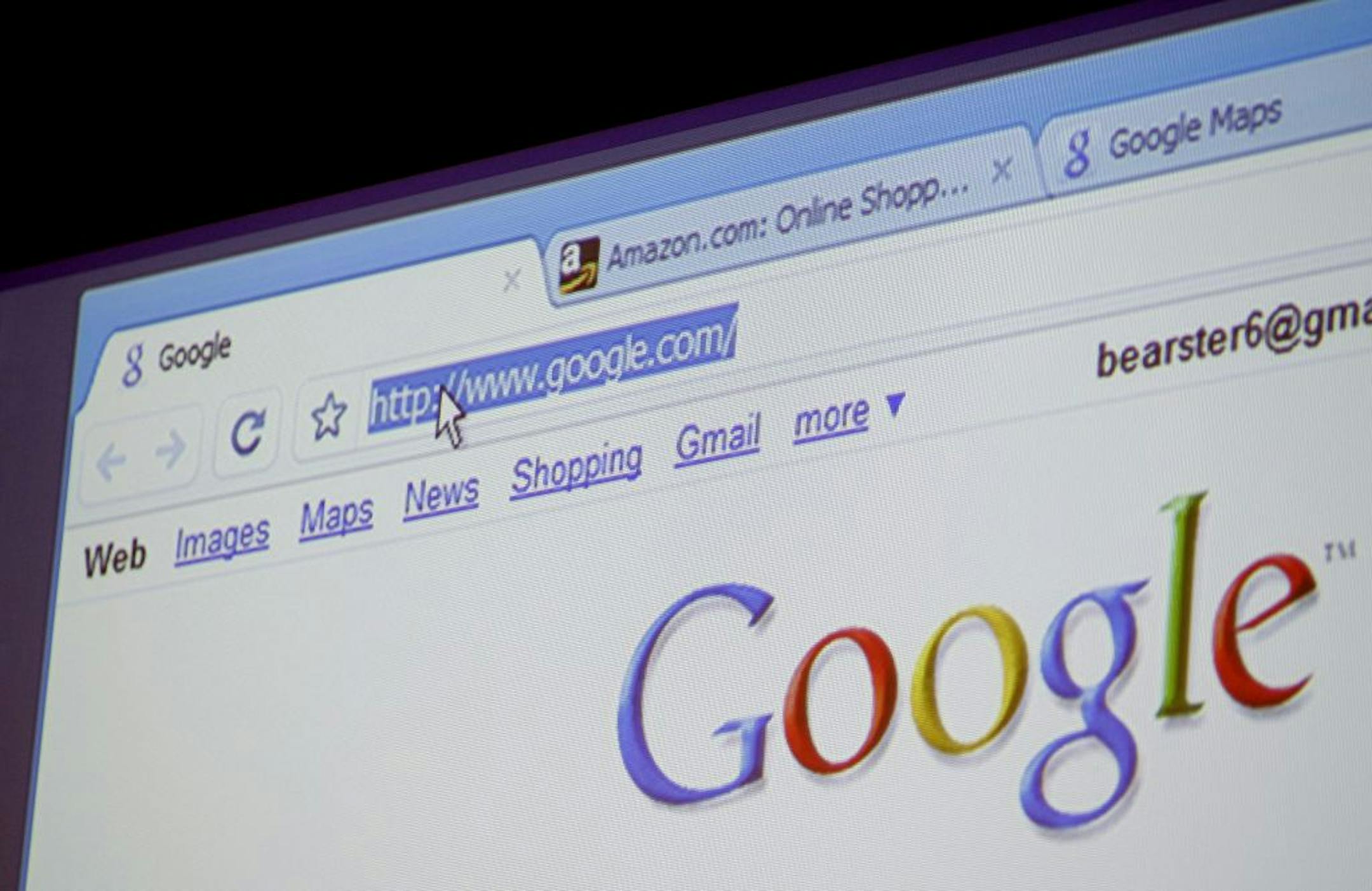
At the heart of the computers is Google's Chrome Operating System, which is essentially a web browser. Instead of installing programs on the computer, you run web apps -- programs that are located online and accessed through the browser. Google maintains a website where you can find links to several thousand of them and install shortcuts on your computer.
There are a number of advantages to this set-up. The operating system on your computer is never out of date. (In fact, Google has already pushed out multiple updates since last year's launch.)
All your apps are online and your documents are automatically backed up to the cloud, so you can access them from any Internet-enabled computer.
But there are disadvantages as well, principally if you're somewhere without an Internet connection, when the Chromebook's usefulness plummets. Another limitation is its capacity: a mere 16 gigabytes, less than many smartphones.


