

Parents of teen athletes have logged many hours on the bleachers over the years. Most of them could likely tell a horror story or two about witnessing bad behavior involving coaches or other adults. And so can referees."I was officiating a girls' high school basketball game and called traveling on one of the players," said Deb Weinreis, board member for the Sports Alliance of Minnesota, an organization dedicated to promoting sportsmanship in youth sports. "Her mom stood up and said really loudly, 'That's OK, honey, I know that wasn't a travel.' She was completely undermining my role as the official."
With kids as young as 5 years old participating in youth sports, it is important for parents to spend time talking with them about what it means to be a good sport -- on the field and on the bench -- while also modeling their own sportsmanship skills.
For some parents, this is easier said than done, especially if they fall victim to what Frank White calls "the sports machine," which tends to put athletes on an unreasonable pedestal. He is the founder of Respect Sports and the Minnesota State High School League 2005 Hall of Fame Sports Official.
"Parents let themselves get caught up in the system and forget that youth sports are supposed to be about the experience," said White, of Maplewood. "They get focused on winning. They are looking through the rose-colored glasses of thinking their child can get a college scholarship, but the chances of that are pretty slim."
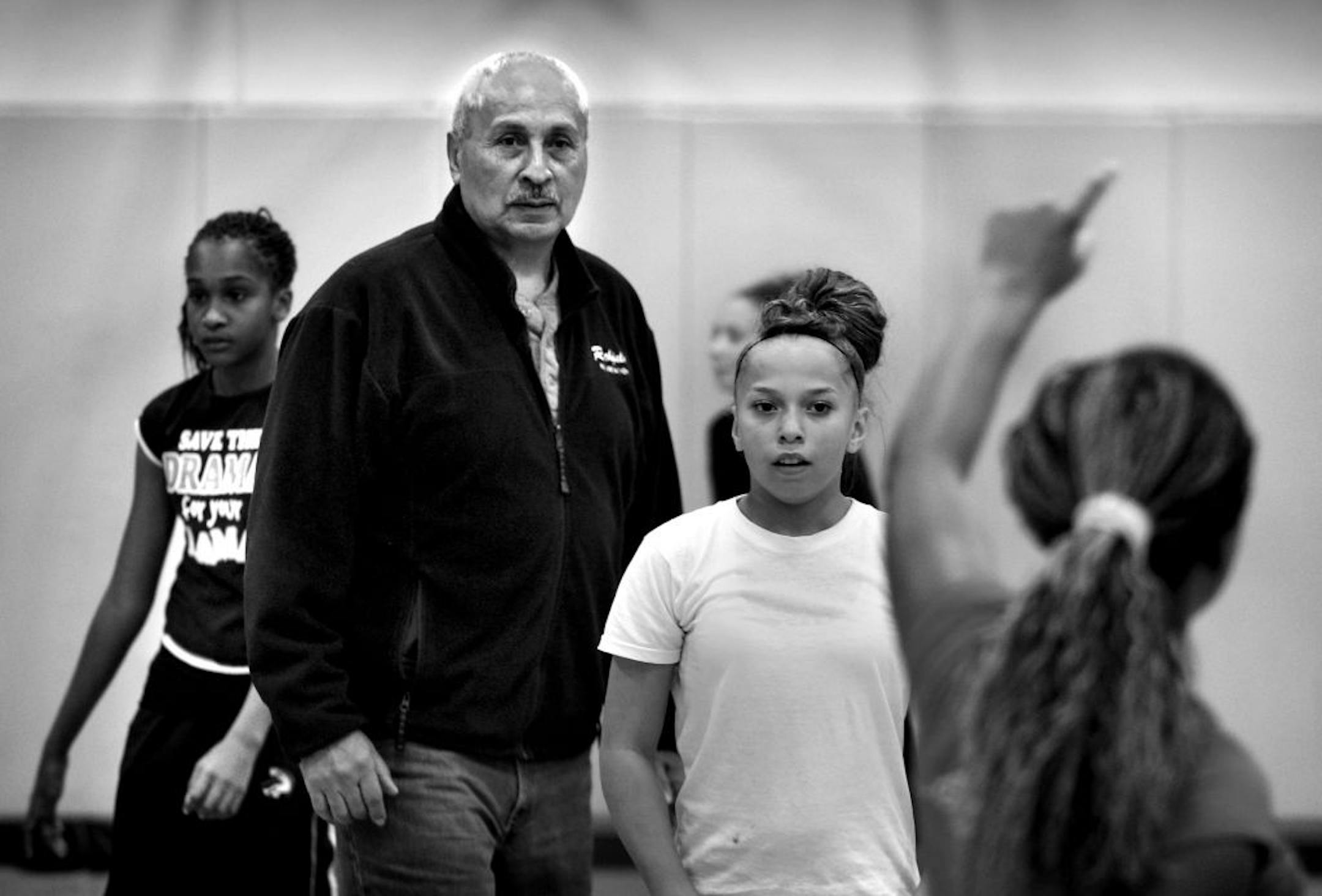
White, who spent many years as a high school and college referee, serves as a mentor to other referees and coaches for a 10-and-under boys' basketball league in St. Paul every winter. While at games, he'll often sit next to parents in the stands and has been known to stop a game if he thinks the crowd is getting a little too vocal.
"Sometimes parents who are experiencing frustrations in their daily lives forget they need to leave all of that at the door once they walk into the sports arena," he said. "The game is for the kids. And if a parent embarrasses their kid with bad behavior, the one who will suffer is the kid, because everyone else knows whose parent is yelling."
Instead, White believes parents should concentrate on encouraging their children to have a positive experience and enjoy playing the sport.
"It's no different than how as a parent you would encourage the everyday things in life -- do your homework and your chores, be a good person," he said. "Talk about how participating and being part of a team fits with the values of your family."


