Every week about 700 pounds of Minnesota's finest beef is delivered to the cafeteria at St. Olaf College in Northfield. This local meat is 100 percent grass-fed, sustainably produced and nutrient-rich. Likewise, high-quality local pork, dairy products and produce are delivered.
Many of the same ingredients will be delivered down the road at Carleton College, which just started using the same food service provider that St. Olaf has used for years, Bon Appétit Management Co. The reason for change at Carleton? The company's holistic approach to sustainability most closely matched the values at Carleton, said senior Vera Chang, one of the students on the selection committee.
The college cafeteria is no longer a repository for vats of mystery food. Indeed, the greatest interest in healthful, sustainable, local food is found in higher education, said Bob Olson, interim director of Food Alliance Midwest. Food Alliance certifies growers and producers based on standards of sustainability, meaning the way the production affects animals, the environment, workers and consumers.
"We've seen a tremendous increase and a tremendous interest [in higher education]," Olson said.
At the University of Minnesota, Morris, for example, spending on sustainably produced food went from zero in 2000 to $20,000 in 2006. In just the first five months of the 2007-2008 school year, spending was up to $48,000, said Donna Bauck, general manager for food service company Sodexo.
Because information and awareness are what make consumers change their habits, it makes sense that colleges would be ahead of the curve, said Todd Lein, sales and marketing director for Thousand Hills Cattle Co., which produces the grass-fed beef served at St. Olaf, Carleton and Macalester in St. Paul.
"It's such a contradiction to spend your time in classes talking about economics, sustainability, environmental awareness, health consciousness and knowing where the food you eat comes from and then go to your lunchroom and eat something from halfway across the planet," Lein said.
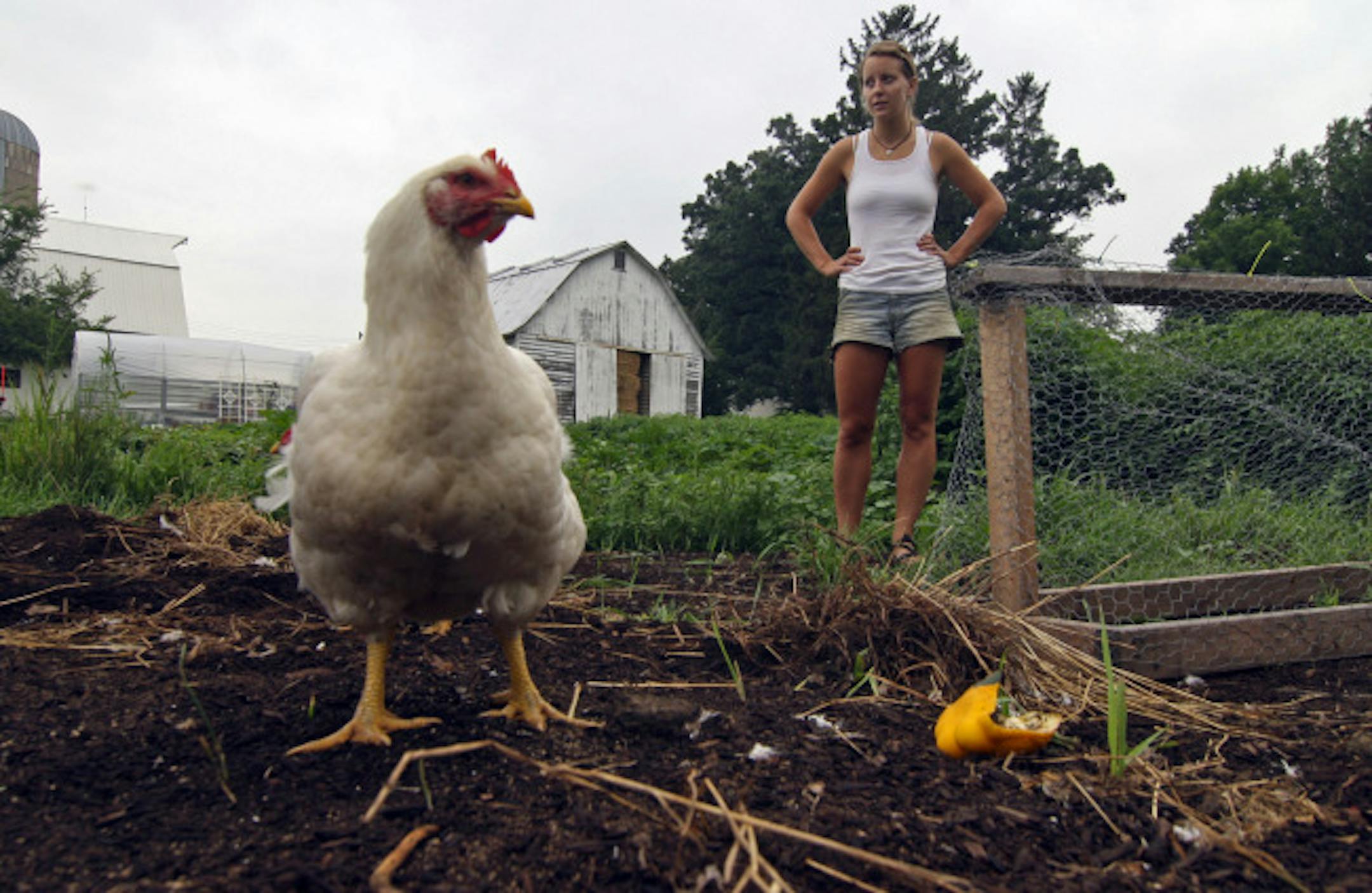
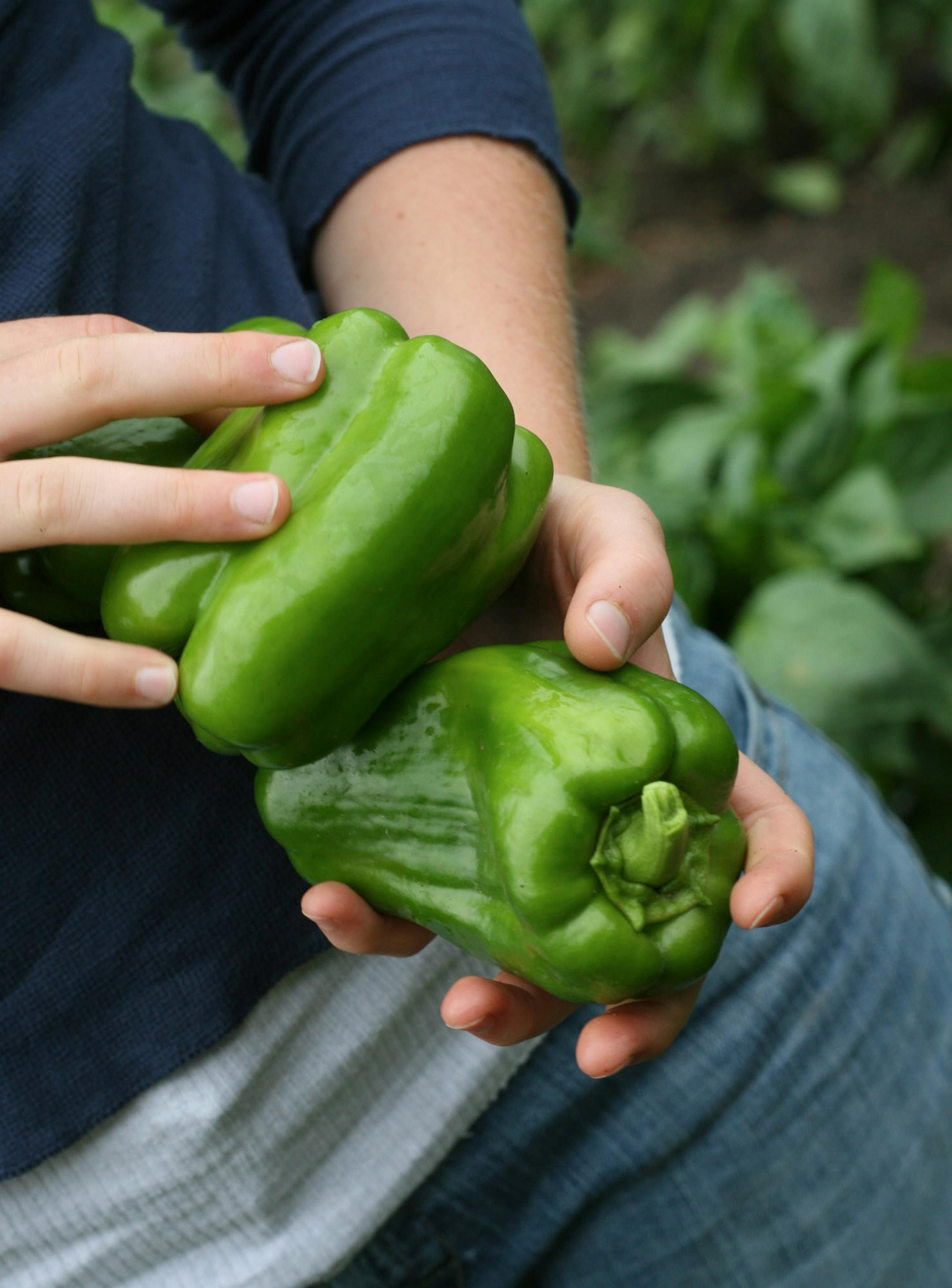
St. Olaf junior Kristin Johnson agrees. She has an environmental studies concentration and is co-leader of a campus organic farm where students grow produce such as peppers, summer squash, eggplant and basil. That food is sold to Bon Appétit and served in cafeteria meals.