

For many smartphone users, applications such as Gas Buddy, Red Laser or Angry Birds may be valuable or entertaining, but hardly indispensable. For Steve Zent, a St. Louis Park resident who is blind and works at the Low Vision Store in St. Paul, apps are far more than a game-- they're a game changer.
"I can have my GPS, color identifier and calculator synthesized in one device," he said.
More than 40,000 apps have been created just for people with disabilities. And being able to use an easily recognizable smartphone instead of a special device created for a specific disability makes a person feel like the playing field has been leveled, said Zent. "Everyone recognizes an iPad or a smartphone," he said.
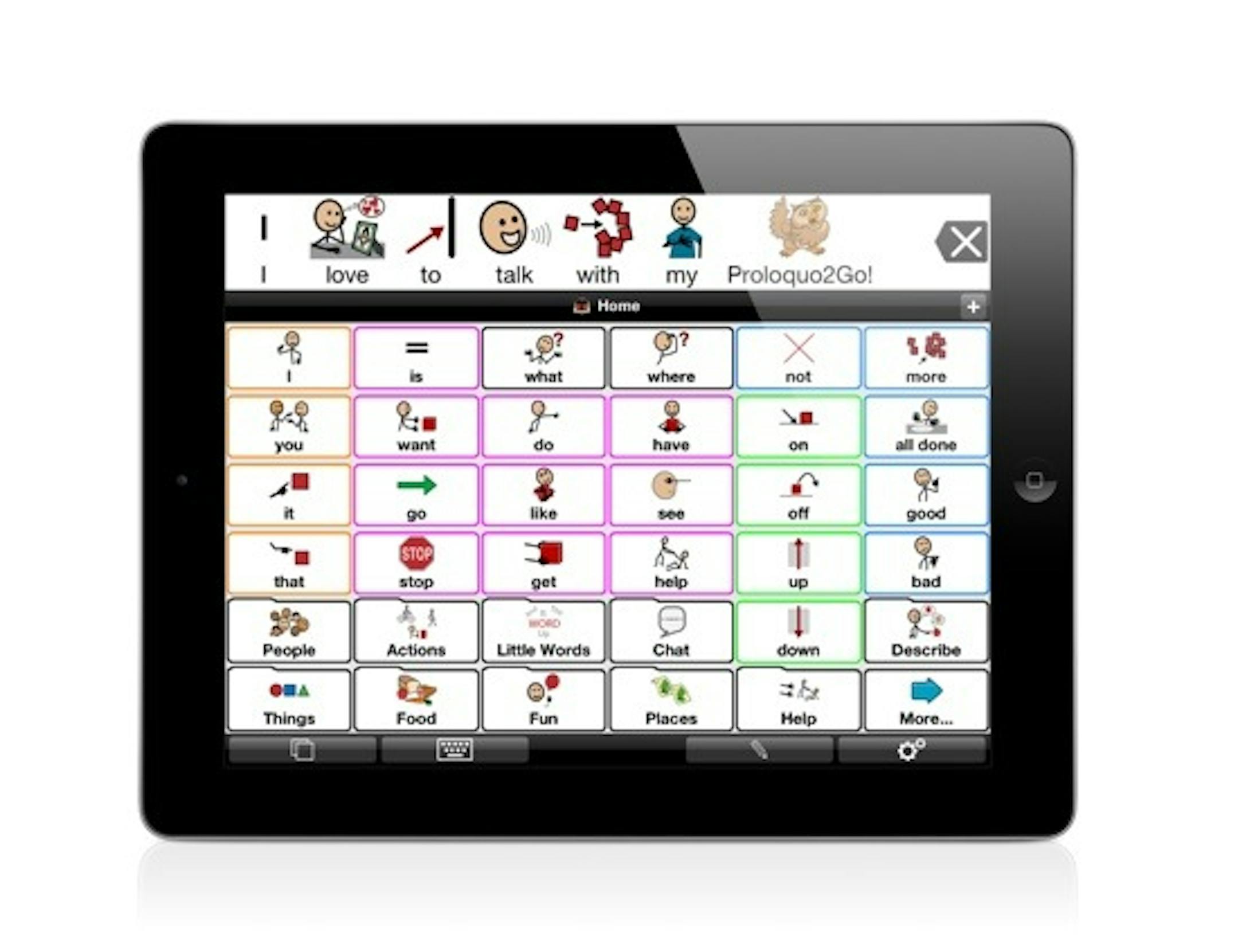
The apps can be a huge cost savings, too. Touch-to-speak technology used to cost as much as $8,000, but a touch-to-speak app such as Proloquo2go now costs about $190.
Apps can help kids and adults with moderate to severe physical disabilities but they can also serve as an assist to anyone who might need a little help in an awkward situation.
Here's a rundown of a few apps that make life a little easier.
MAGNIFYING GLASS WITH LIGHT BY FALCON IN MOTION
Free
In a dark restaurant or bar (let's pick on Bradstreet Craftshouse in Minneapolis), aging eyes may not be able to read its fabulous cocktail menu. Do my eyes deceive me, or is there really a drink called the "Corpse Retriever"? Ugh, no. Point your smartphone near the menu, and light it up to discover that it's the "Corpse Reviver" you want. A variation, Zoom Reader ($20), magnifies small print and reads texts out loud.
COLOR ID
Free
Does this yellow tie go with this blue shirt? Hard to know when you're colorblind. With this app and others like it, hold the smartphone (iPhone, Android or Blackberry) screen close to an item and the app will announce the color. The descriptive, pictorial names such as "moon mist" are less helpful than the "simple colors" setting, which can easily identify a shirt or blouse as "red" or "green."


