

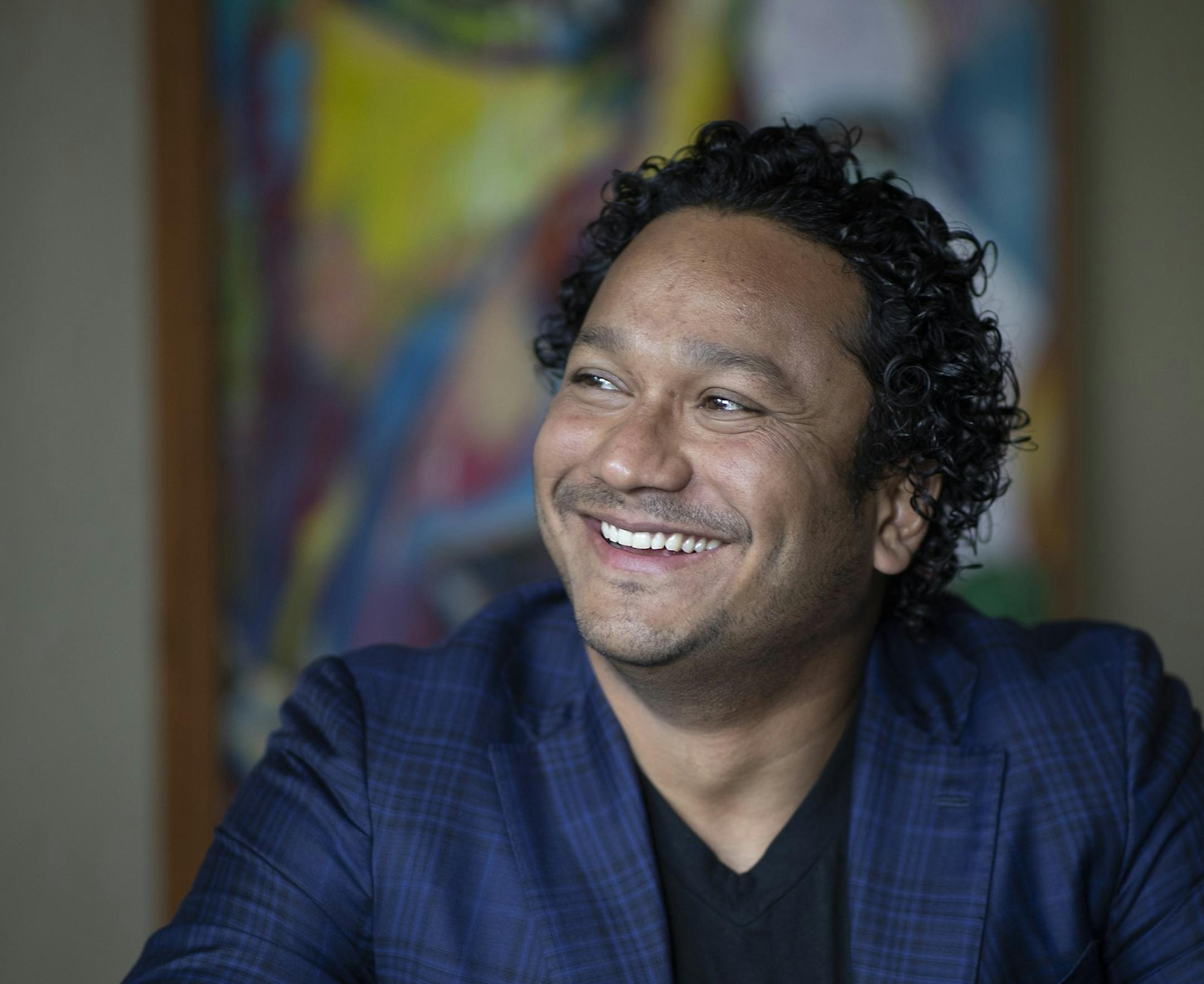
Dr. Roshan Khatri knows that the emotional wounds of natural and man-made disasters linger long after roads are rebuilt. And those wounds aren't just adult-sized. The medical director of the Headwaters Relief Organization — a Golden Valley-based nonprofit run by volunteers — has seen the devastation wrought by a 7.8 magnitude earthquake in Nepal, an Ebola outbreak in Africa and a refugee crisis in Greece. Everywhere, he also saw children trying to make sense of their changed world and showing tremendous resiliency. Headwaters is taking a novel approach to supporting them: Award-winning children's books in many languages, distributed free with teaching guides. Khatri, 32, tells us more here.
Q: Congratulations on three recent awards for your children's books. Why is this model effective in helping children deal with crises?
A: Storytelling is a powerful tool in disaster recovery. Children make sense of the world through stories, beginning with those their parents tell them. Each book addresses normal emotional responses to disaster, whether it's Ebola or an earthquake.
Q: Responses such as?
A: Children might have stomachaches or headaches. They might be reluctant to go to sleep or have nightmares. They might blame themselves: "If I had done my homework that day, or if I had eaten my vegetables, the earthquake would not have happened."
Q: Are these reactions long-term?
A: Most are temporary. We are there to help them build coping skills and to support their development of resiliency. Disaster relief isn't just materials brought in. Mental health support is equally important.
Q: And not just for kids. I imagine your efforts help parents, too.


