Go to the North Shore for the fall leaves. Stay for these attractions.

Everyone’s been to Betty’s Pies, but have you ever taken a kayak over the remains of a shipwreck?

The Minnesota Star Tribune
September 18, 2025 at 11:00AM
St. Urho statue in Finland, Minn. (Erica Dischino /For the Minnesota Star Tribune)

Leaves change, but roadside attractions do not.

Minnesota Hwy. 61, which winds for 150 miles along the North Shore from Duluth to Grand Portage, is rich in popular points of interest: Gooseberry Falls, Split Rock Lighthouse, Betty’s Pies. But there are also plenty of places to pull over for more quietly charming experiences: statues of fictional characters, the remains of a shipwreck, or all the chocolate you can cram into a Subaru.

From west to east, here are some different reasons to veer off the two-lane highway. Let us know your own favorite stops.
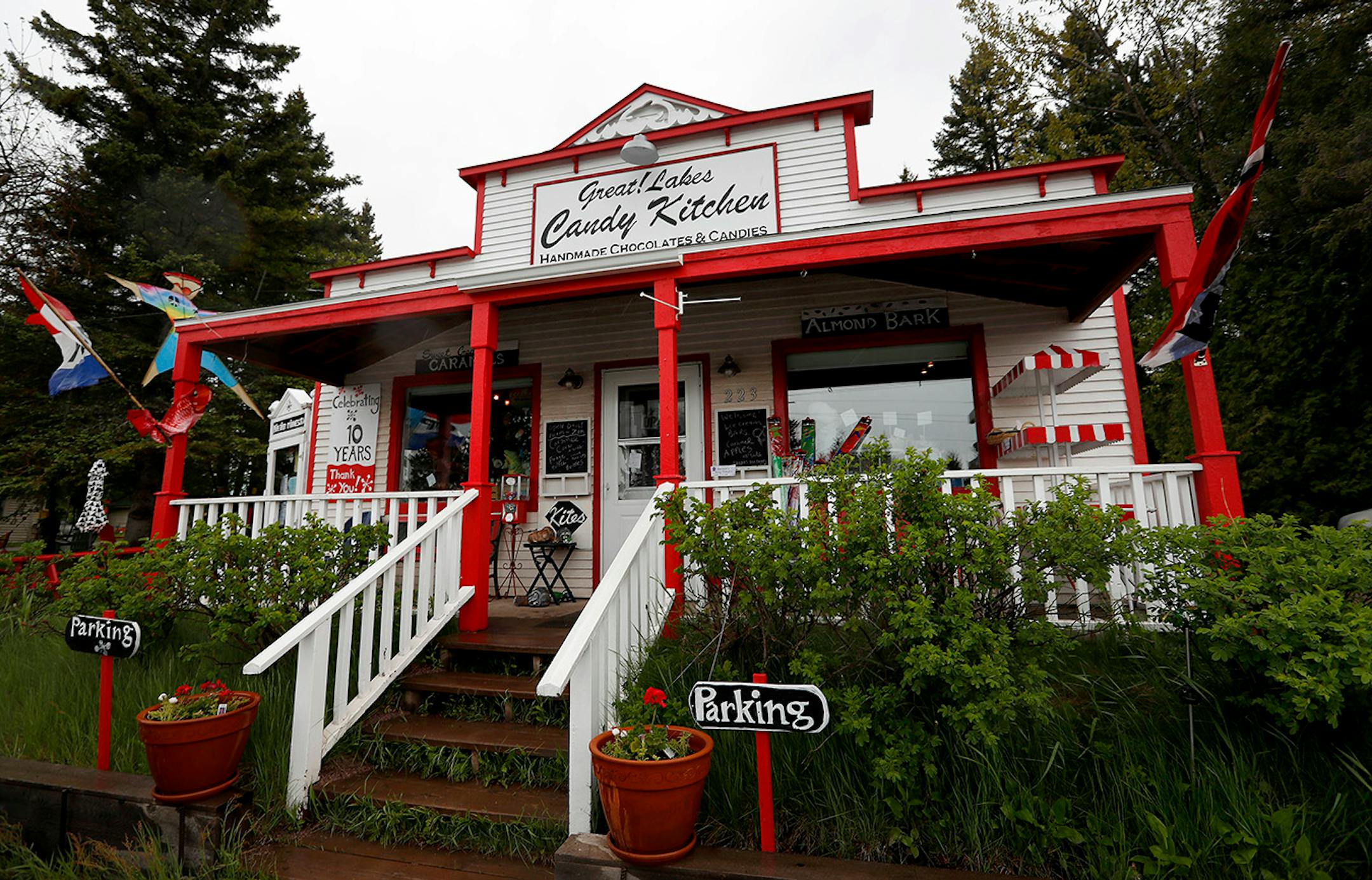
The Great! Lakes Candy Kitchen up the shore north of Duluth.
The Great! Lakes Candy Kitchen up the shore north of Duluth. (Carlos Gonzalez/The Minnesota Star Tribune)

Great! Lakes Candy Kitchen

This small colorful shop in Knife River feels like stepping into a life-size Candyland board game. It’s operated by several generations of candymakers — the Canelake family business started on the Iron Range (and continues there, too) in 1905. Everything here is handcrafted and the air is thick with sweet smells: almond bark, square caramels, dark fudge, turtles, peanut butter cups. But have you even been here if you haven’t tried the hot air? (223 Scenic Dr., Knife River)
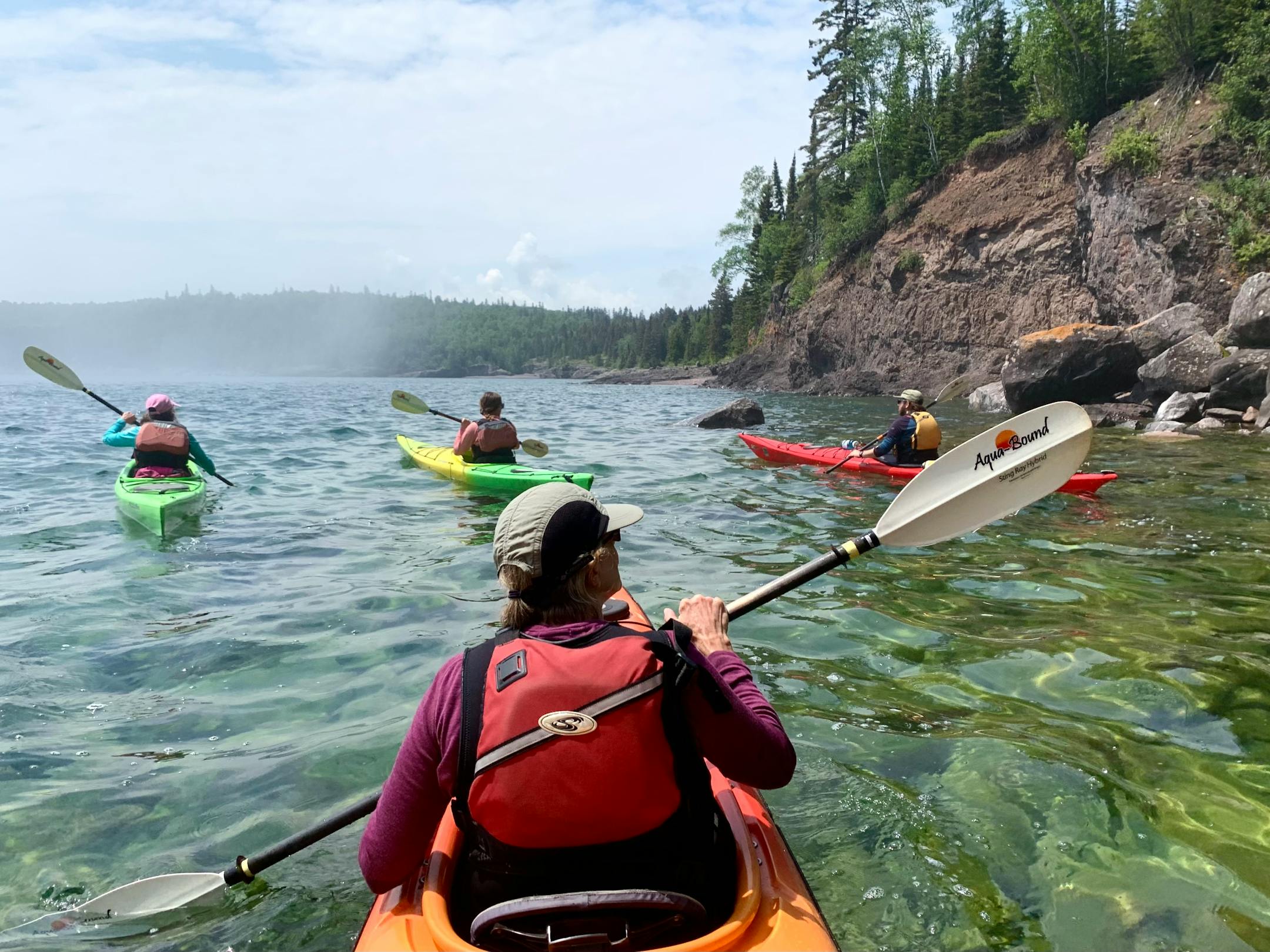
Kayakers paddle along the North Shore as part of Day Tripper of Duluth's guided tours. (Kelly Smith/The Minnesota Star Tribune)

Madeira shipwreck

The barge Madeira sank near the shore during a 1905 storm named for a far more famous shipwreck. In the Mataafa Storm, the sturdy steamship Mataafa grounded close enough to what is now Duluth’s Canal Park for witnesses to hear the crew crying out for help. The Mataafa cracked in half. The men in front lived; those on the back part of the ship died. Along the shoreline, Duluthians watched while huddled over bonfires.

Forty-five miles up the shore, the crew of the Madeira fared better. Just one man died when the ship sank near the cliffs where the Split Rock Lighthouse now stands. The Madeira wreck is visible from the lighthouse in calm waters. For a better look, take in the view from a kayak. (3713 Split Rock Lighthouse Rd., Two Harbors)
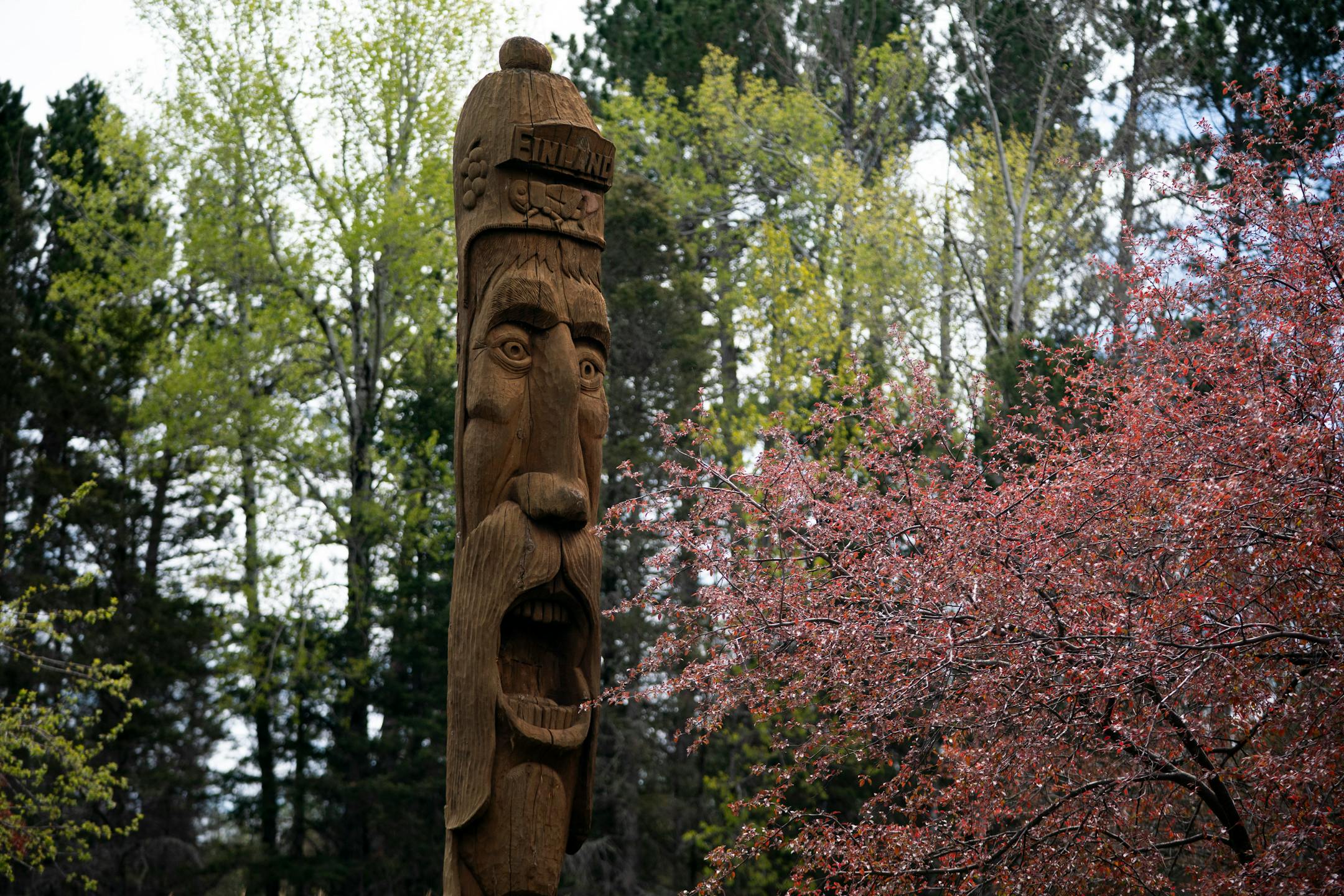
St. Urho statue in Finland, Minn. (Erica Dischino /For the Minnesota Star Tribune)

St. Urho’s statue

You’ve heard of St. Patrick, and the lore that he banished the snakes from Ireland. But have you heard of the Finnish version, St. Urho, who used his big voice to push the grasshoppers out of Finland, saving the grape crop?

This saintly character gets his celebration on March 16, just before the Irish take hold with green beer everywhere and a green river in Chicago. In Finland, Minn. (population 220), St. Urho has a presence year-round. An 18-foot statue, carved with a chain saw by Don Osborn, sits in the town’s Memorial Park. (Hwy. 1 and County Road 7, Finland)
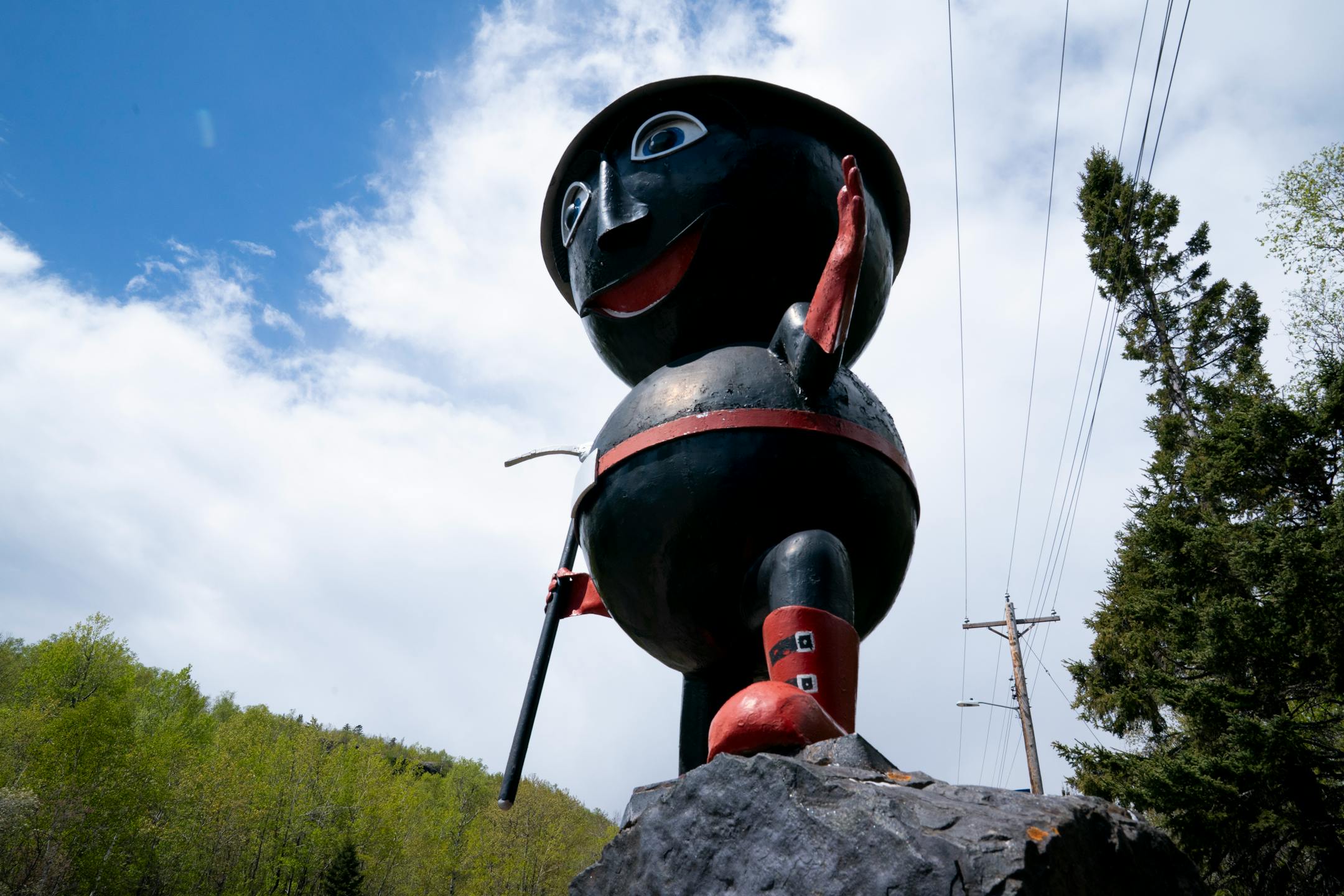
The Rocky Taconite statue on the corner of Outer Drive and Adams Boulevard near Hwy. 61 in Silver Bay, Minn. (Erica Dischino/For the Minnesota Star Tribune)

Rocky Taconite statue

It’s a taconite take on a snowman: Two giant taconite-looking pellets make up the character Rocky Taconite. He stands in his little red boots on a mass of real taconite near a welcome sign to Silver Bay, which requires a slight detour off Hwy. 61.

Rocky Taconite has long been the city’s mascot. He was sketched out by a dentist, a transplant from Paul Bunyan territory who believed that statues drew visitors, according to the nearby Bay Area Historical Society. Reserve Mining Co. took on the $500 construction fee. (County Road 5, Silver Bay)

Taconite Harbor ghost town

This gone-but-not-forgotten town came into being the way so many did. In 1957, Erie Mining Co. offered two dozen houses along a single street to its employees. Within 30 years, with the decline in taconite mining, its residents were evicted. The cost of maintenance had become prohibitive, they were told, according to a 1986 Star Tribune story.

There are just a few indicators of the town that once existed in this space: old signs, overgrown paved areas. A visitor would likely drive past it at least once before the “Aha! This is the place!” moment. (Schroeder Township)

Starting in 1831, Father Frederic Baraga, a Slovenian priest spent a long and frenetic life canoeing and snowshoeing between Ojibwe settlements in Sault Ste. Marie Michigan, Grand Portage, and LaPointe on Madeline Island. A memorial cross stands on a small point along the Cross River as it enters Lake Superior. ] Minnesota -State of Wonders, Arrowhead in Winter BRIAN PETERSON • brian.peterson@startribune.com
Cross River, MN 2/14/2014
A memorial cross for Father Frederic Baraga, a Slovenian priest, stands on a small point along the Cross River as it enters Lake Superior. (Brian Peterson/The Minnesota Star Tribune)

Father Baraga’s Cross

Father Frederic Baraga is known as the Snowshoe Priest, but it was a canoe trip that led to this distinctive memorial. In 1846, Father Baraga and Ojibwe paddler Louis Goudin crossed Lake Superior in a birch bark canoe during an impossible storm. When they hit land, Baraga marked the spot with a cross — a thank you to God for the safe passage.

The Slovenian-born Roman Catholic missionary came to the United States in the 1830s to minister to Native Americans and immigrants. He famously trekked great distances through snow to get to the people he served in the Great Lakes region. Baraga died in 1868, and nearly 100 years later the cause for his sainthood began.

Baraga’s rustic cross has since been replaced with a large granite structure that stands off a gravel path in a scenic spot near the water’s edge. (56 Baraga Cross Rd., Schroeder)

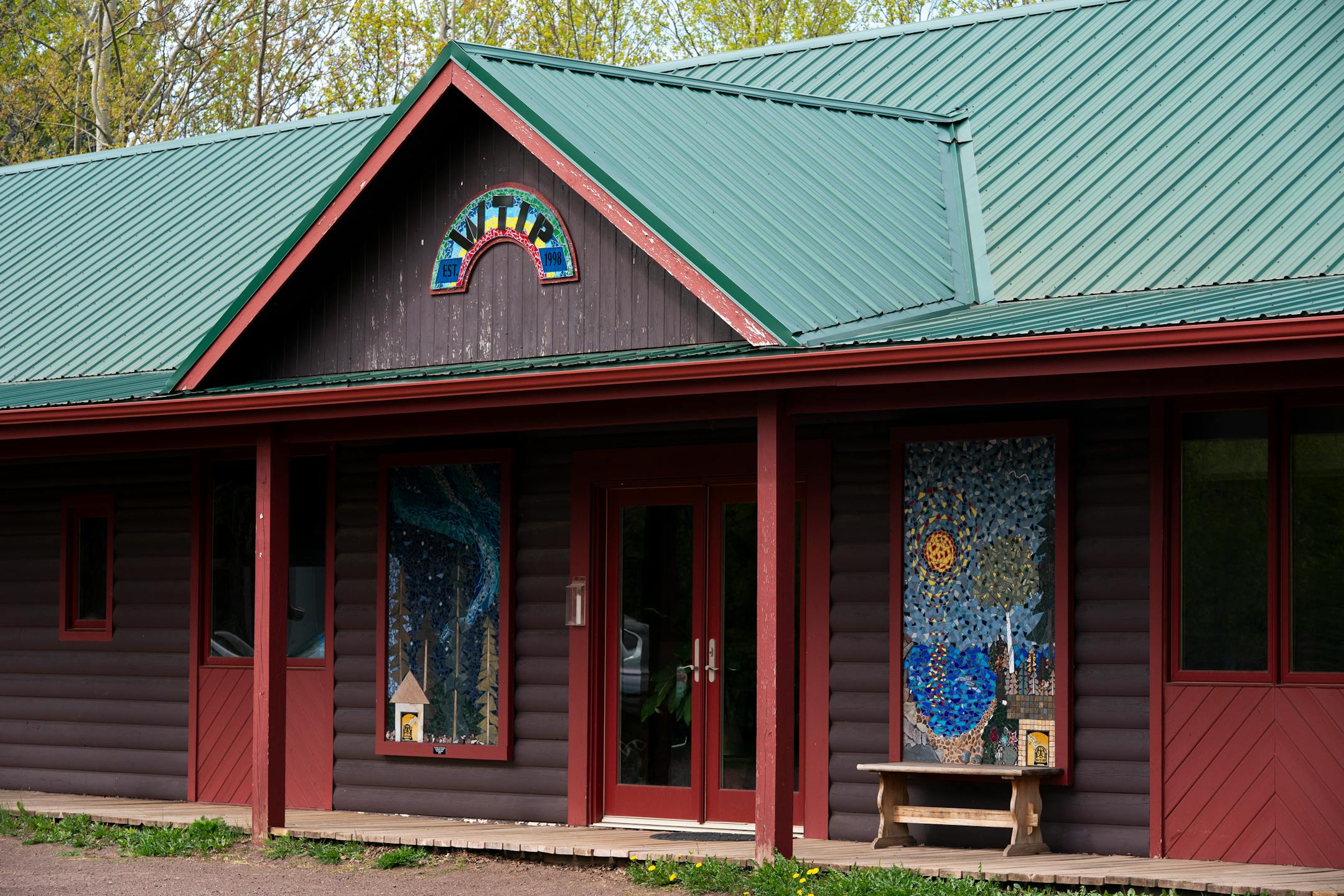
WTIP North Shore Radio is seen along Hwy. 61 in Grand Marais, Minn. (Erica Dischino/For the Minnesota Star Tribune)

WTIP radio

At a certain point along the North Shore, Grand Marais-based community radio station WTIP (90.7 FM) comes in clear. Like so many public radio stations, it feels like picking up a friendly passenger and getting the scoop on a region, its passions and its soundscape.

Oh, that soundscape. Somehow the station’s music often syncs up perfectly to the vistas along this route. It is also available for streaming.

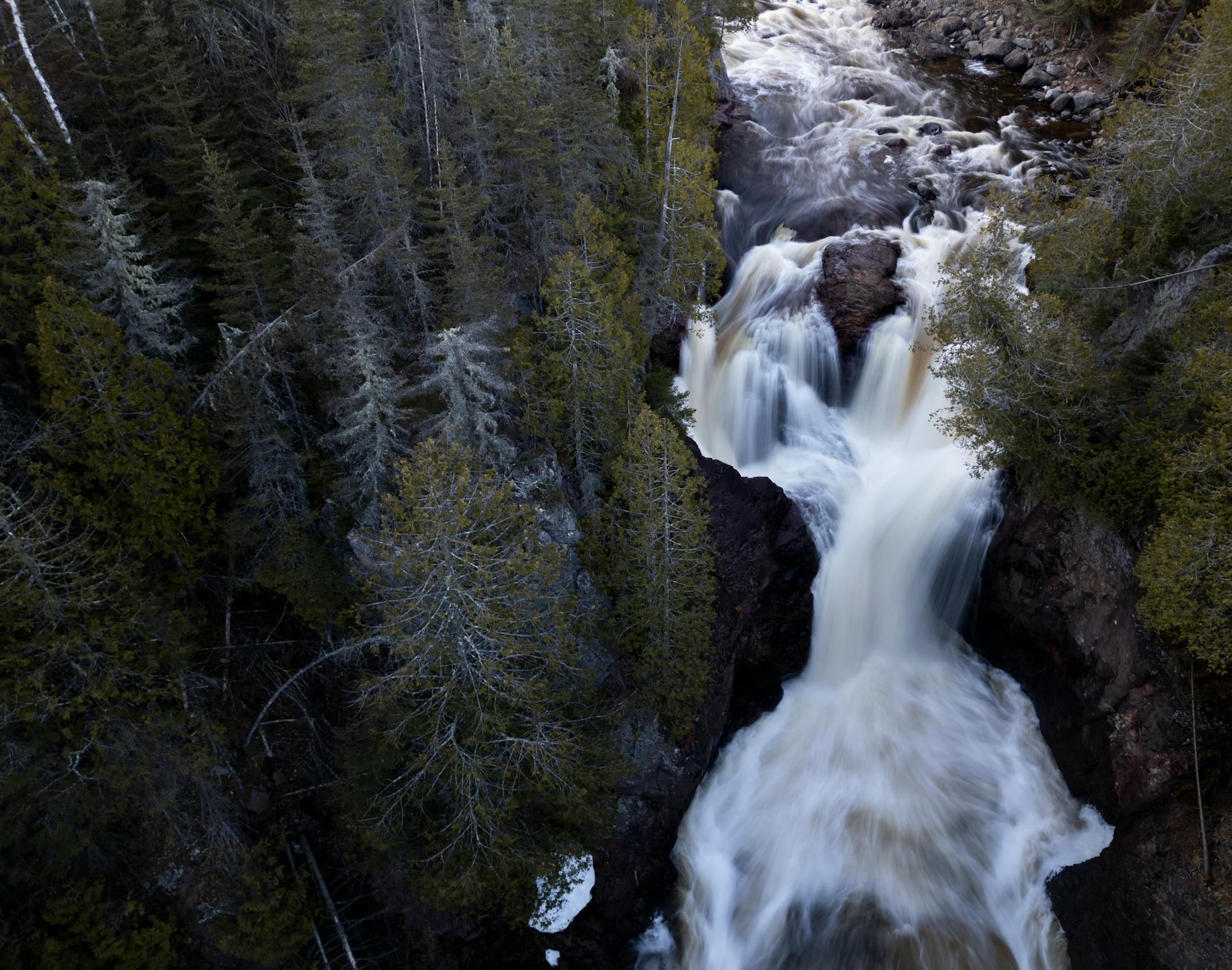
Devil's Kettle provides an optical illustion and natural mystery in Judge C.R. Magney State Park. (Aaron Lavinsky/The Minnesota Star Tribune)

Devil’s Kettle

Mysterious and mesmerizing, part of the joy of Devil’s Kettle is getting to Devil’s Kettle, within Judge C.R. Magney State Park. It’s a short but intense hike along the Brule River where nature makes way for man-made stairs. So many stairs. More than one hiker asked one day this summer, “Is it worth it?”

Of course it is. At a certain point, the river splits in two. One side washes down rocks, creating a waterfall. The other side drops into a hole and goes who-knows-where. (It actually goes back into the river, according to the Department of Natural Resources. But citizen scientists struggle to see how, exactly, it works.)

There are plenty of places near here to sit on rocks and stare into the void. And then there are more steps. (Judge C.R. Magney State Park, northeast of Grand Marais)

about the writer

about the writer

Christa Lawler

Duluth Reporter

Christa Lawler covers Duluth and surrounding areas for the Star Tribune. Sign up to receive the North Report newsletter at www.startribune.com/northreport.

See Moreicon

More from Midwest Travel

See More
card image
card image