

Opinion editor's note: Star Tribune Opinion publishes a mix of national and local commentaries online and in print each day. To contribute, click here.
•••
Self-driving cars may be the future, but right now they're still a work in progress.
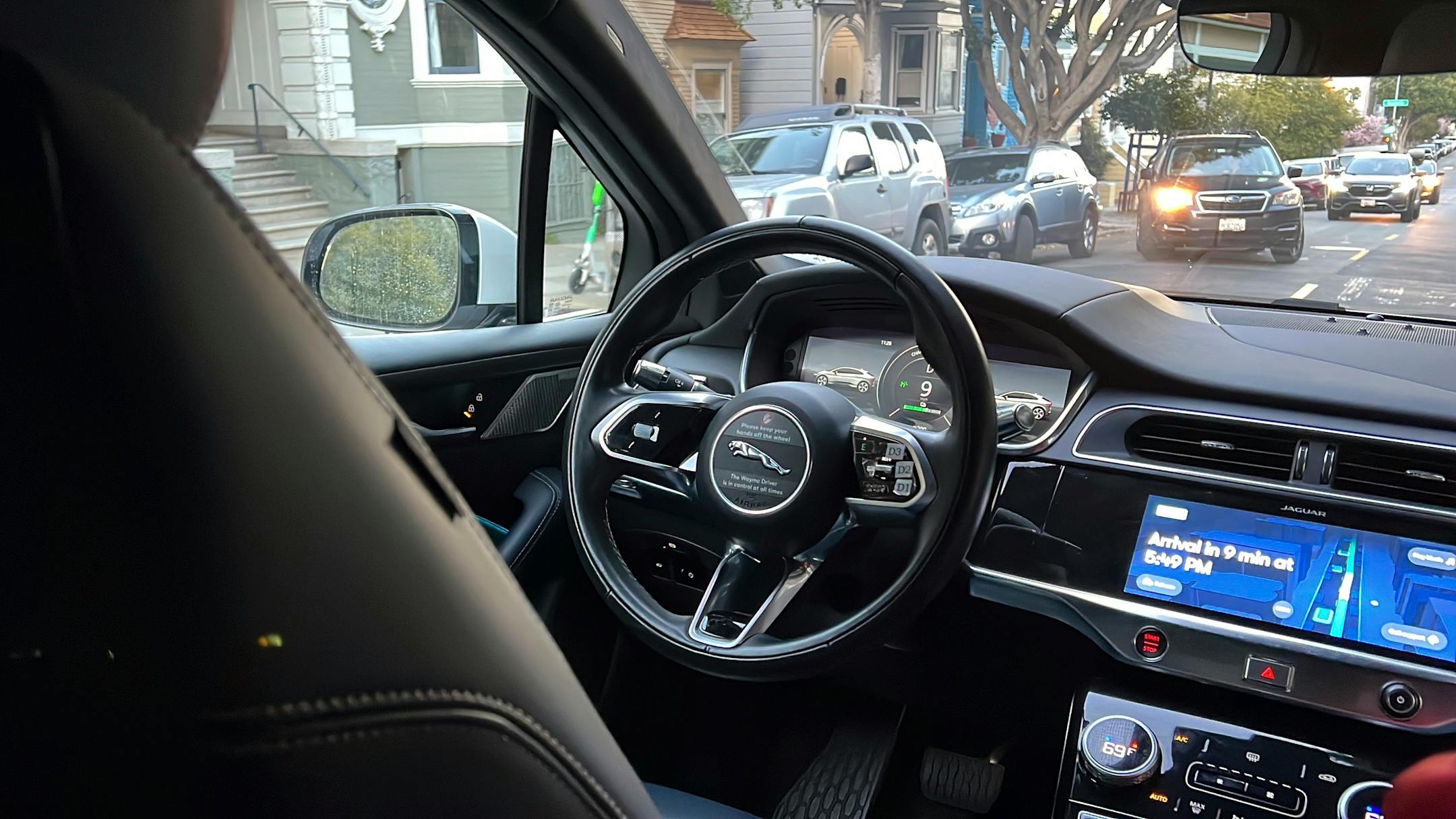
Just look at San Francisco, where two companies, Waymo and Cruise, have been operating a limited number of robotaxis in designated areas. Since last fall, city officials have documented frightening incidents, such as when a driverless vehicle rolled into an active fire scene and parked with one tire on a fire hose. Another time, a vehicle drove through yellow emergency tape and past warning signs into a street with storm-damaged electrical wires.
Robotaxis have stopped on light-rail lines, blocked fire station driveways and halted traffic. With no driver present, authorities have to contact the companies to get the vehicles moved. Some 93 traffic incidents were reported in March — and those are just what was documented. Companies aren't required to report when the vehicles stop in the middle of the road, block traffic or drive in bus-only lanes.
Despite protests from emergency personnel and city officials, the California Public Utilities Commission has indicated in filings that it intends to let Waymo and Cruise expand service with an unlimited number of driverless taxis collecting fares throughout San Francisco 24 hours a day, seven days a week, the Los Angeles Times reported.
With CPUC approval, driverless taxis will no longer be an experiment. They'll be a business in San Francisco. Santa Monica and Westside neighborhoods in Los Angeles, where companies have state permission to test the technology, are likely to be the next expansion.
Why are California regulators giving robotaxi companies a free pass to operate glitchy technology on public streets? Even the CPUC acknowledges in its filings that there are serious operational concerns with driverless taxis and the lack of reporting requirements make it difficult to evaluate potential safety issues.


