

There is a new global phenomenon that the U.S. media largely have ignored, but that may have a big impact in the future: Call it "globalization of the rest of the world," or "globalization without the United States."
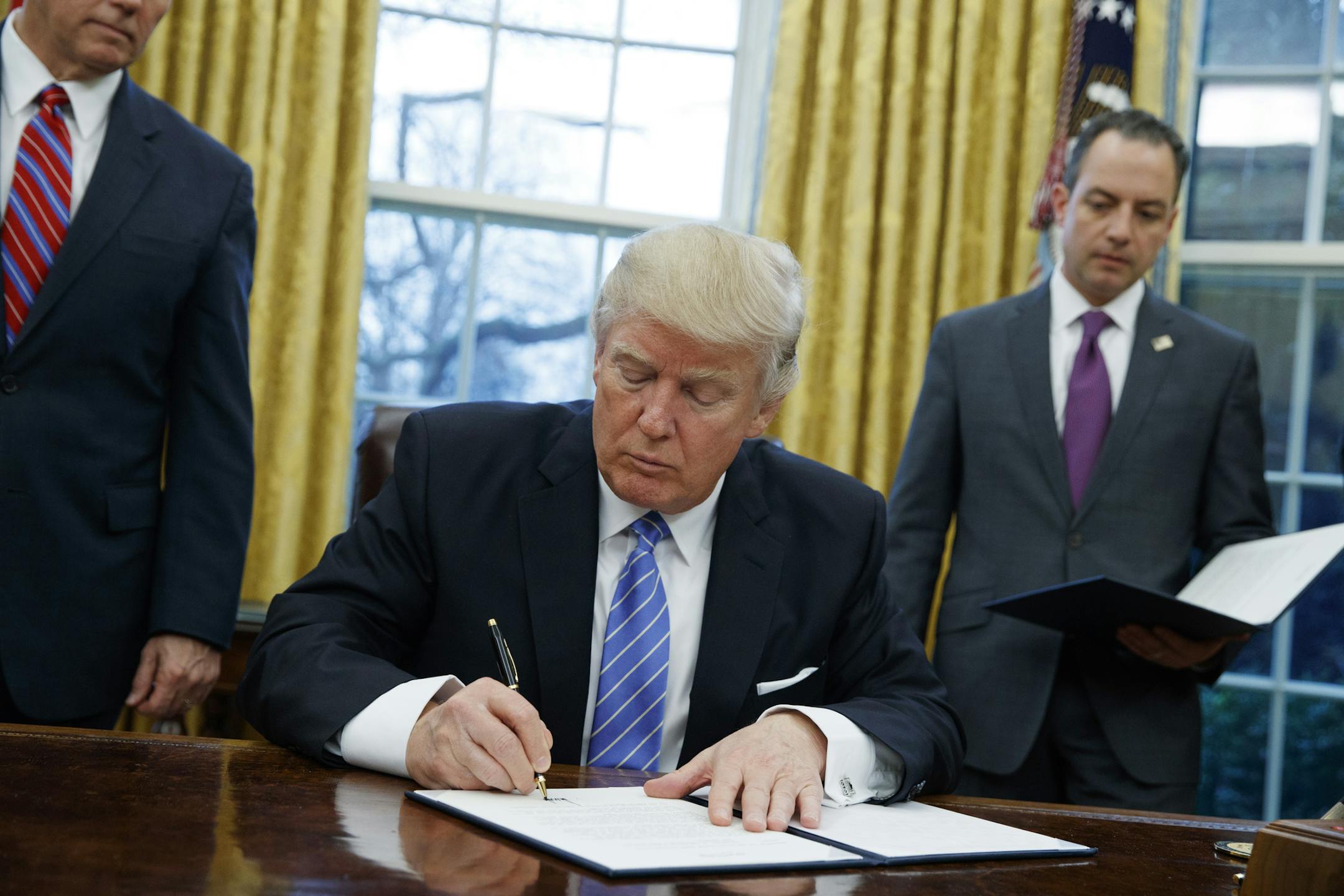
While President Donald Trump has withdrawn from some of the world's biggest agreements — such as the 12-nation Trans-Pacific Partnership (TPP) trade deal and the 195-country Paris climate accord — and has announced tariffs on European, Canadian and Mexican goods, the rest of the world is signing major agreements that bypass the United States:
• On June 28, the 28-country European Union signed a historic free-trade agreement with South America's Mercosur bloc — made up of Brazil, Argentina, Paraguay and Uruguay — that had been under negotiation for the past 20 years.
The agreement will affect more than 780 million people and, by most measures, will be the largest trade agreement ever signed by both blocs, officials said. Under the deal, which will have to be approved by the legislatures of all signatory countries, import duties will be lowered by a combined $4.5 billion a year. The two sides will aim to remove the majority of export tariffs between them.
Ironically, the U.S. had tried to sign a hemisphere-wide Free Trade Agreement of the Americas for two decades since the 1994 Summit of the Americas in Miami. But Argentina rejected the plan in 2005, and it has been shelved ever since. The Trump administration has not even raised the idea of a regional U.S. trade deal with South America.
• On May 30, a total of 55 African countries kicked off the African Free Trade Treaty, which is expected to go into effect this month. It will include the trade of goods and services for 1.2 billion people and had been negotiated for the past six years.
The deal calls for eliminating tariffs on 90% on most consumer goods, which is expected to drive up inter-African trade by 52.3 percent. It has been already signed by 23 African countries' lawmaking bodies, which is enough to set it in motion.
• Last year, after Trump's withdrawal from the TPP — which had created the world's largest trade bloc and was conceived by the Obama administration as a little-disguised effort to counter China's growing economic clout in Asia and Latin America. The remaining signatory countries, including Japan, Australia, Vietnam, Singapore, Mexico, Chile and Peru, then signed the so-called TPP-11, without the U.S.


