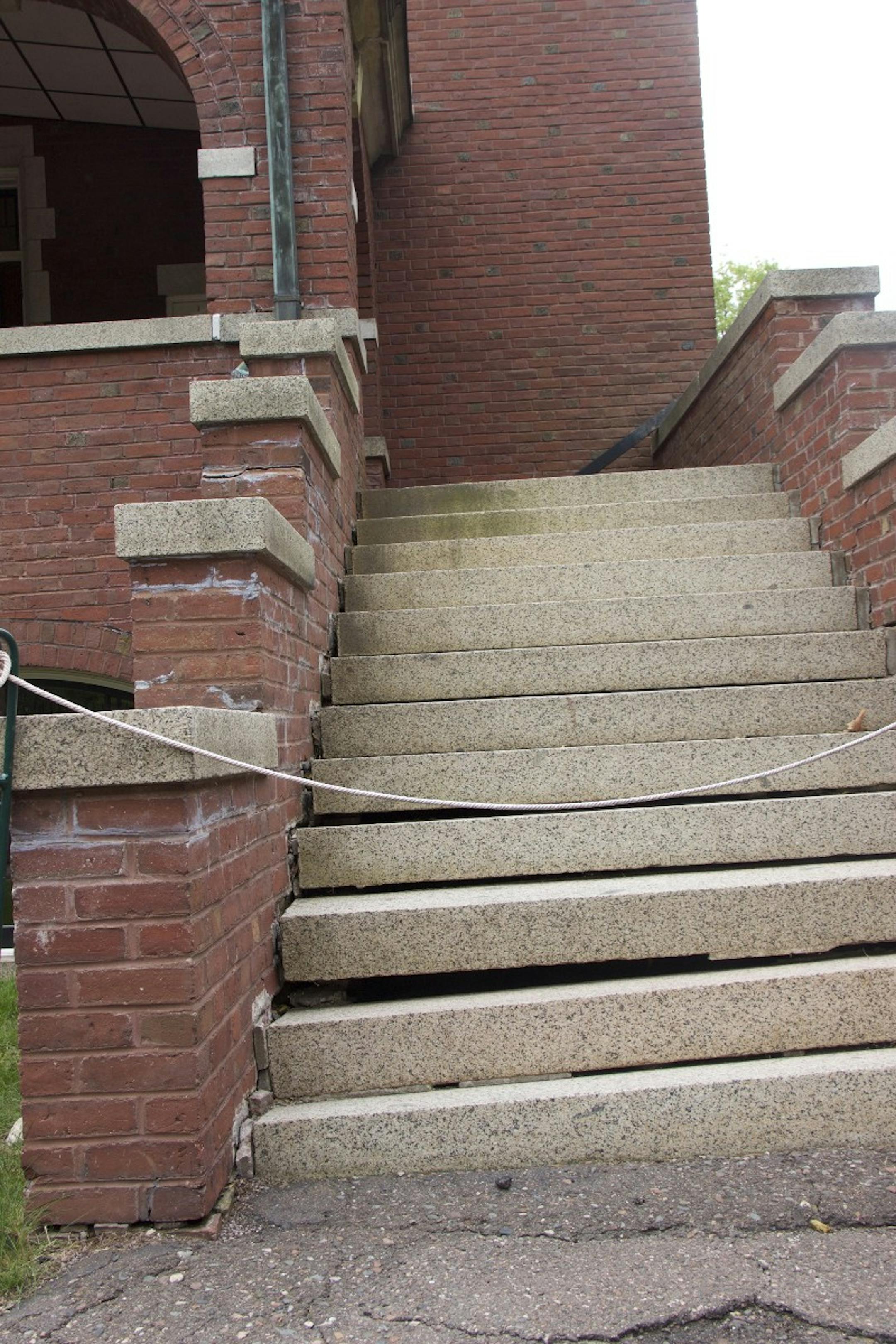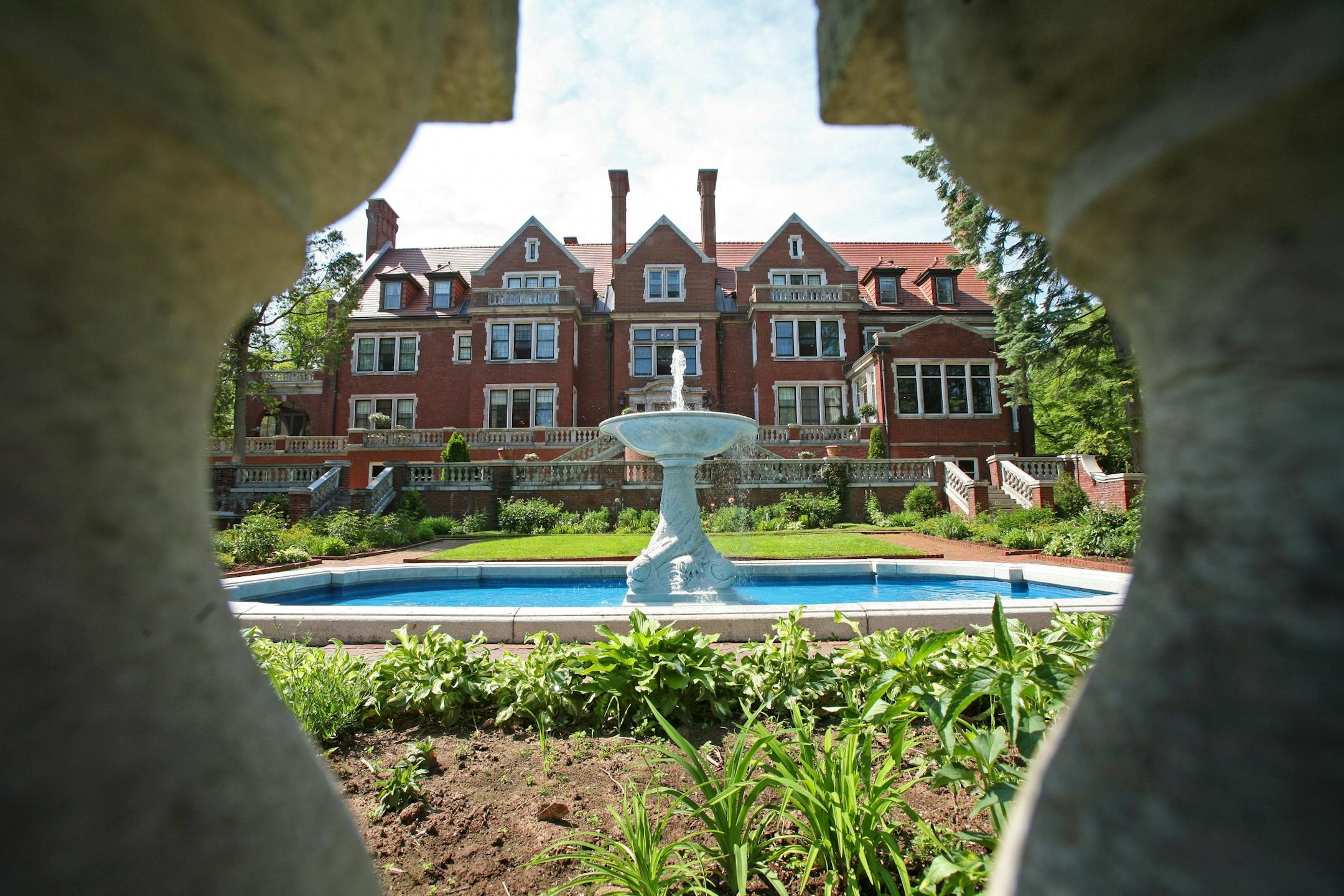
The tiered garden is falling apart, as is the servants' porch. The boathouse, the last of its kind along Lake Superior, also needs help. The Glensheen Historic Estate, one of the state's most famous — and infamous — historic homes, is in desperate need of repairs, its site director said, and is turning to the state to foot the $26 million bill.
Dan Hartman, director of Duluth's Glensheen, said $8 million of the funds would go toward those three critical repairs.
"We have three parts of the property that are in terrible shape," he said.
The rest of the funding would go toward repairs that Hartman said aren't quite as urgent but still require attention, such as rewiring the fraying electrical system and repairing the fence along the street in front of the estate.
The home, now owned by the University of Minnesota Duluth, was built by iron ore magnate Chester Congdon and his wife, Clara, beginning in 1905. Last year, 100,000 visitors paid at least $15 to tour the 39-room mansion, also famous as the site of grisly murders. In 1977, Elisabeth Congdon, Chester and Clara's last surviving child, was found suffocated with a pillow and her night nurse was beaten to death with a candle stick. The husband of Elisabeth's daughter, Marjorie, pleaded guilty to the crimes.
At the Legislature
Sen. Roger Reinert, DFL-Duluth, authored a bill in March to add the funds to this session's bonding bill.
Reinert said the century-old estate is important for his city. "It is, along with the lift bridge, one of the most iconic symbols of Duluth," Reinert said.
Bonding bills are how the Legislature chooses to fund projects around the state. This year, Gov. Mark Dayton proposed $1.4 billion in funding for state projects, which would go toward roads, bridges and other big ticket items, leaving a limited amount for other smaller projects. Republicans in the House are looking for a smaller $600 million bill.