

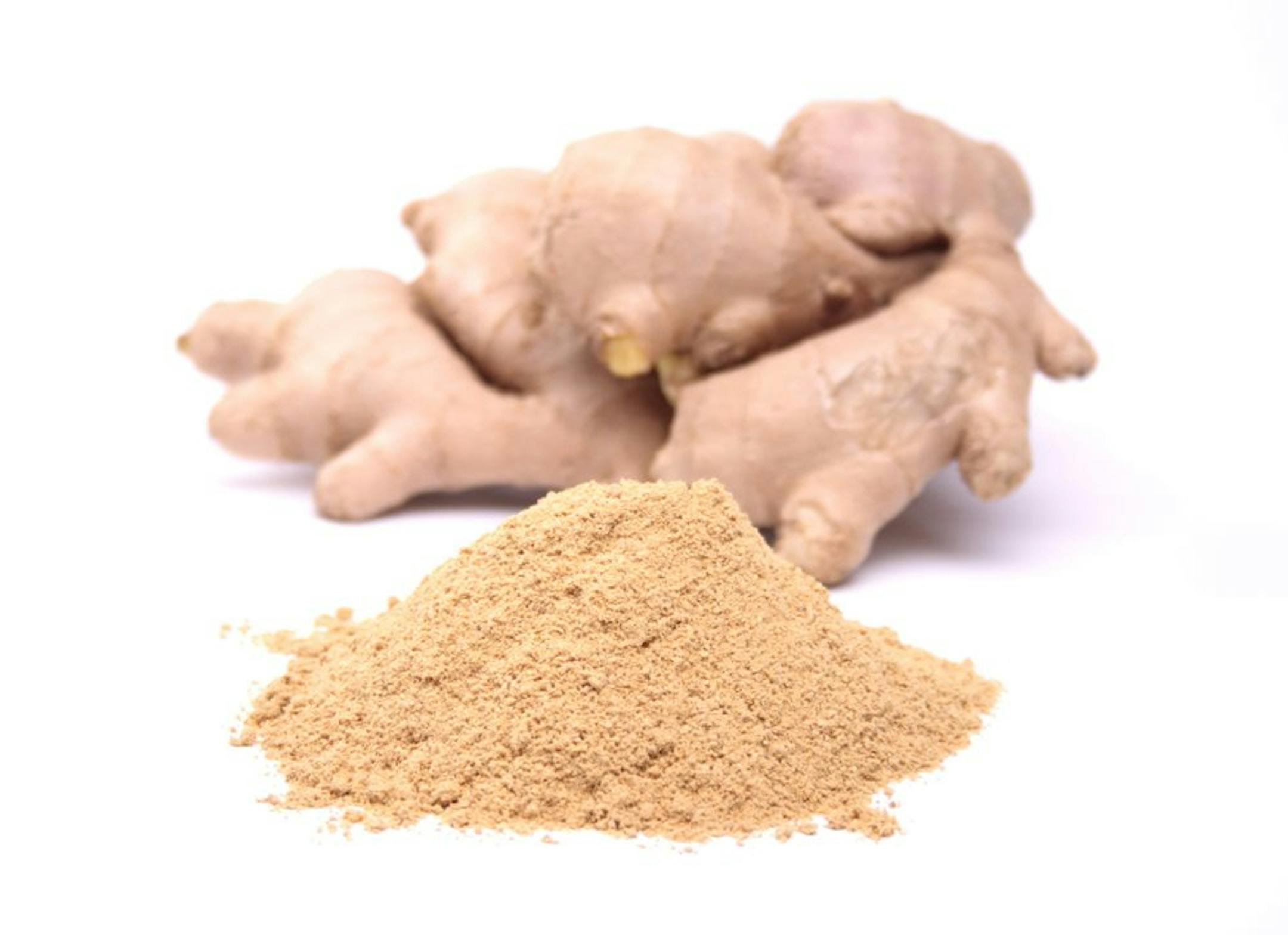
Mine is a ginger-obsessed household. I use fresh ginger in everything: pickles, sautés, stir fries, juices, cocktails, rice dishes, curries, breads, desserts.
Food writer Melissa Clark shares this passion. She waxes poetic, in an interview, about the root as an ingredient: "Ginger adds a deep, peppery, spicy freshness to dishes -- a tang of acid coupled with a musty, rich, profound flavor. I love that combination of zippiness and profundity."
We both have a soft spot for young ginger.
"It has a juicier, sweeter quality than the older roots you see," Clark says, "and you can use more of it without it becoming overwhelming. It's also my choice for pickling and candying."
While ginger often is sold as a powdered spice, I don't use it much except to add to my tea occasionally. But Clark says it's a must for bakers and others. It perks up pumpkin pie and, of course, gingerbread. She also substitutes ground ginger for cinnamon, making ginger sugar to sprinkle on buttered toast.
Ground ginger has a very different flavor profile from fresh ginger: It is less acidic than the root but much more intense.
When buying fresh ginger, look for pieces that are smooth and free of blemishes and wrinkles. It will keep well in the fridge for up to a week. If I buy extra, I grate it, add enough water to make a paste, and freeze it. Many times I will grate it along with garlic and green chiles, making an excellent base for stir-fries and curries.
I use a knife to peel skin off the ginger, though Clark does it the correct way: with a spoon.

