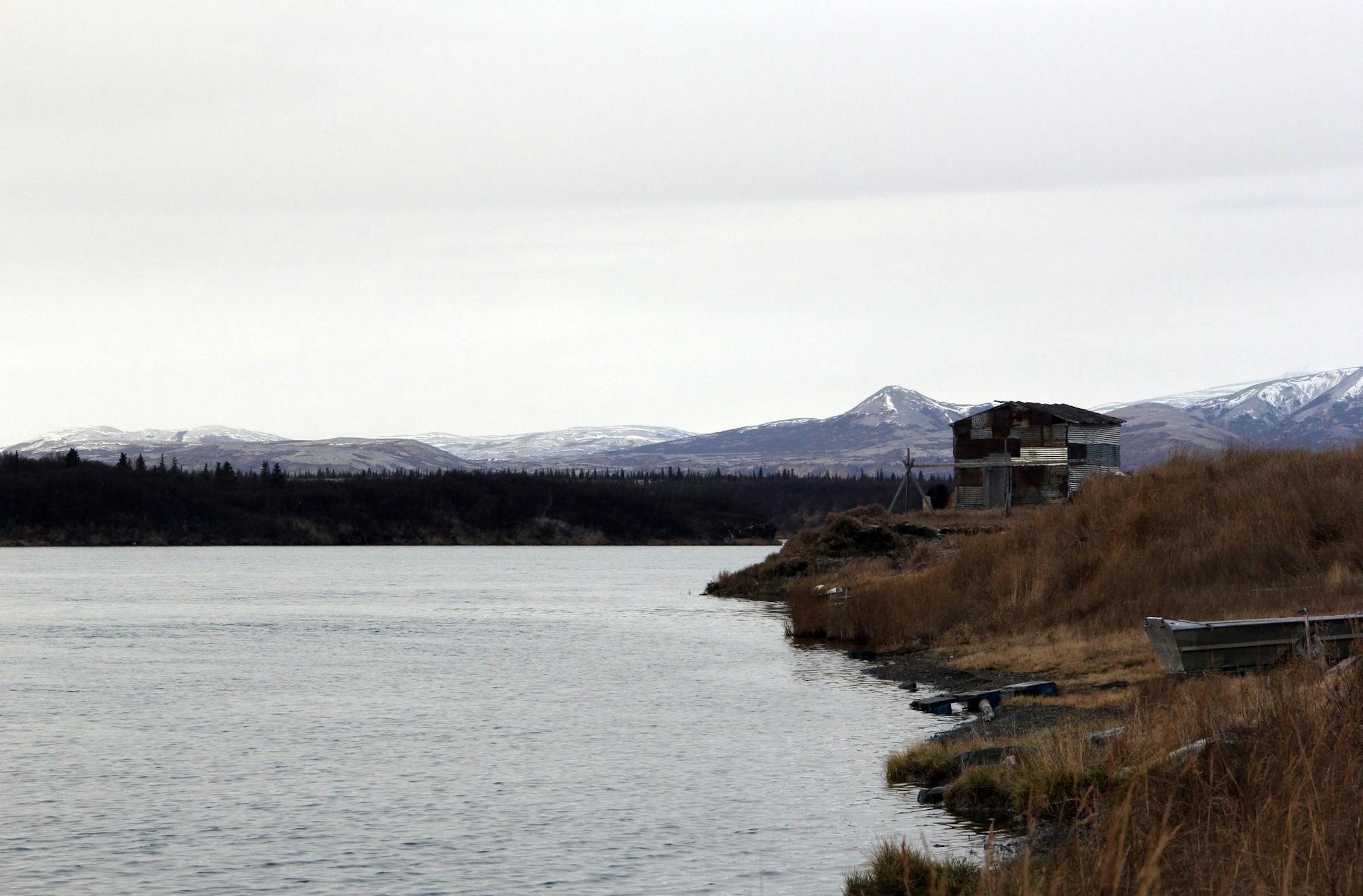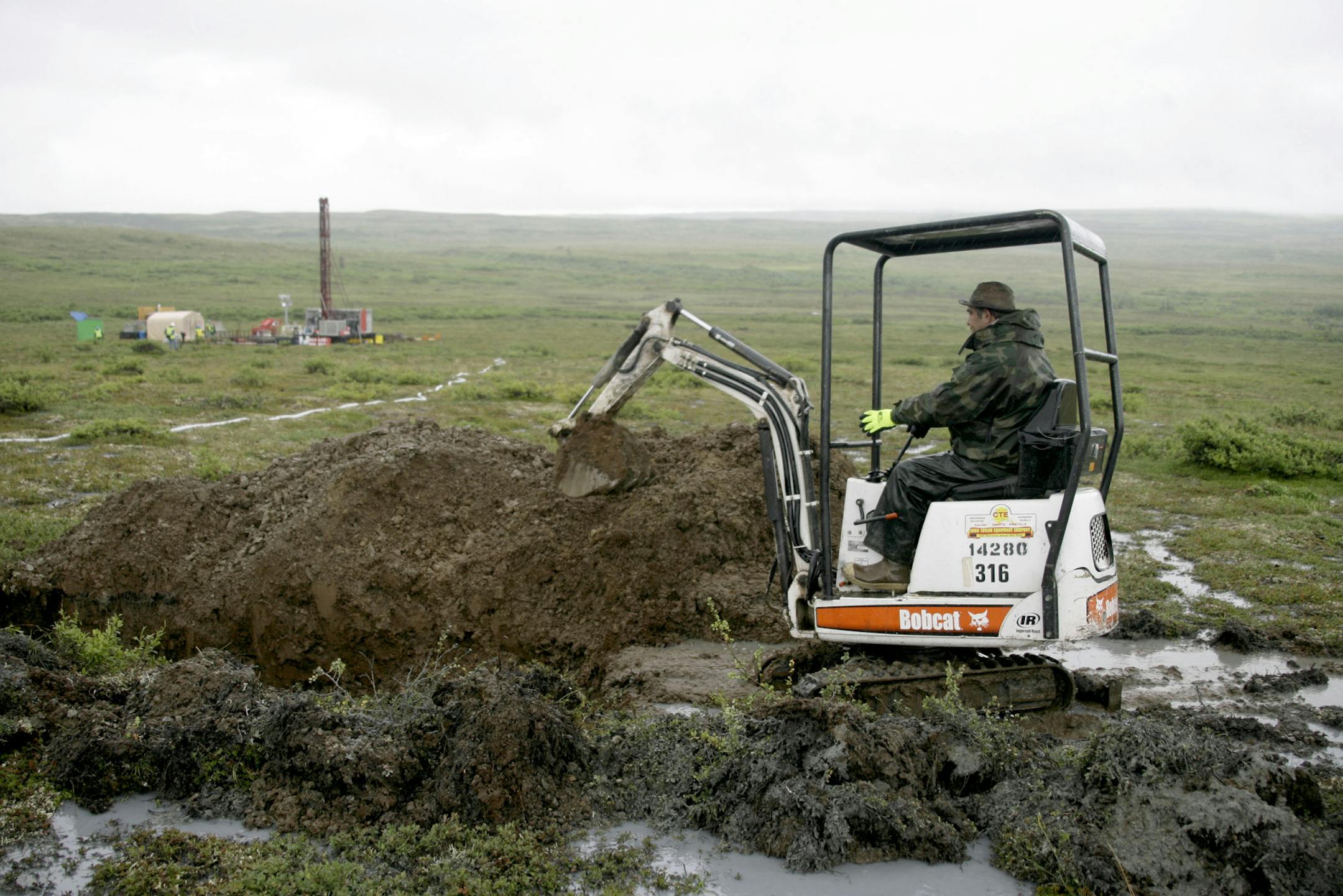
JUNEAU, Alaska – A government report indicates that a large-scale copper and gold mine in Alaska's Bristol Bay region could have devastating effects on the world's largest sockeye salmon fishery and adversely affect Alaska tribal communities, whose culture is built around salmon.
The U.S. Environmental Protection Agency on Wednesday released its final assessment of the impact of mining in the Bristol Bay region. It concluded that, depending on the size of the mine, up to 94 miles of streams would be destroyed in the mere build-out of the project, including losses of 5 to 22 miles of streams known to provide salmon spawning and rearing habitat.
Up to 5,350 acres of wetlands, ponds and lakes also would be lost.
The report found "that large-scale mining poses risks to salmon and the tribal communities that have depended on them for thousands of years," said EPA regional administrator Dennis McLerran.
The EPA's assessment was released just as Minnesota is debating whether to launch a new copper mining industry in northeast Minnesota, one of the most contentious environmental issues the state has faced in decades. The first of three public meetings will be held in Duluth on Thursday on plans for a $650 million open pit mine proposed by PolyMet Mining Corp. near Hoyt Lakes.
The company says it will create 300 to 360 permanent jobs for the 20-year life of the mine. But, as the EPA assessment lays out, there are significant environmental risks as well.
The battle over the proposed Pebble Mine has been waged far outside Alaska's borders, with environmental activists such as actor Robert Redford opposing development. Multinational jewelers have said they won't use minerals mined from the Alaska prospect, and pension funds from California and New York City pressured London-based Rio Tinto, a major shareholder of mine owner Northern Dynasty Minerals Ltd., to divest last year.
The Bristol Bay watershed produces about 46 percent of the world's wild sockeye salmon, and salmon are key to the way of life for two tribal groups in the region, Yup'ik Eskimos and the Dena'ina. The report said the response of tribal cultures to mining impacts was unclear, although it said it could involve more than the need to compensate for lost food and include cultural disruption.