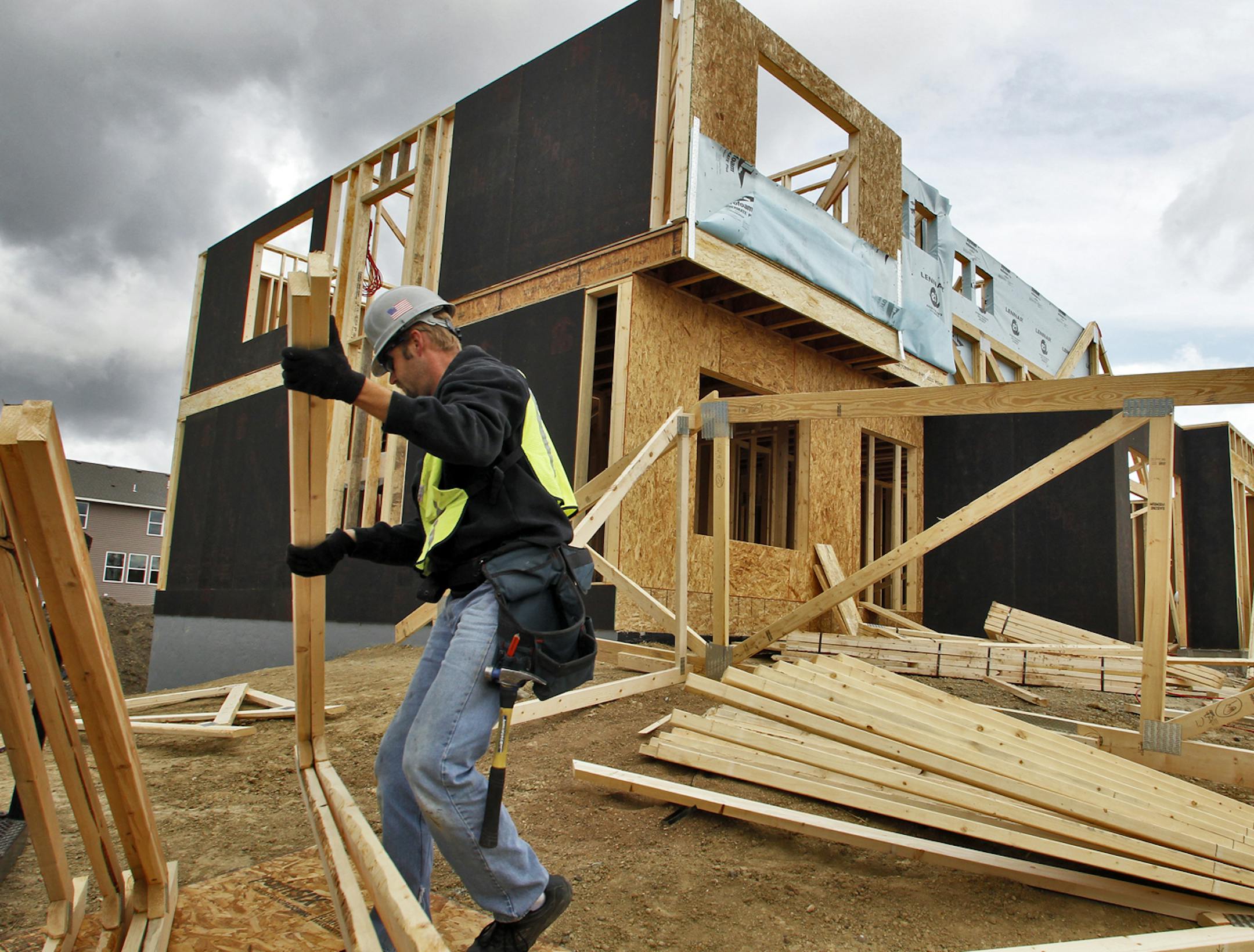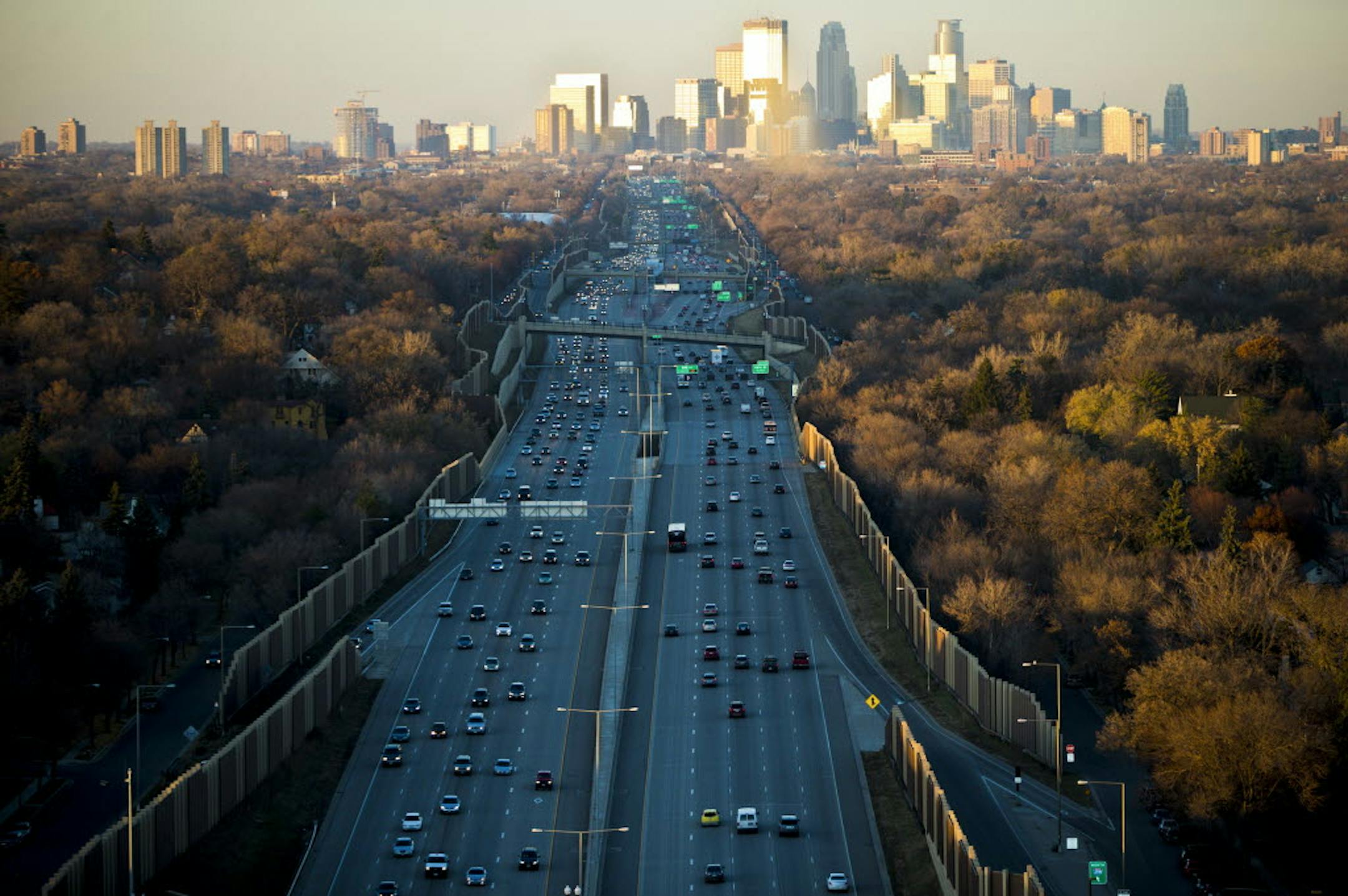
The cost of just getting around town is threatening to push right past the cost of a roof over your head in the Twin Cities area.
And the sudden narrowing of the gap between those two bills is catching even well-informed analysts off guard.
"We've long known that's true of low-income folks," said Hilary Reeves, of the advocacy group Transit for Livable Communities. "But for a wider demographic as well? Wow!"
In 2007, the annual cost of housing was $3,173 more than annual transportation costs. By 2012, the gap had shrunk to $462.
The shrinking gap between the cost of transport and that of owning or renting is twice as pronounced in the Twin Cities area as in the nation as a whole, according to the U.S. Bureau of Labor Statistics's Consumer Expenditure Survey.
That could be partly because housing is relatively affordable here. New U.S. Census Bureau data being released Thursday find that despite some slippage, the Twin Cities area has emerged from the recession with the highest homeownership rate among the nation's top 50 metro areas. And logic suggests that a median home price that is $100,000 below Seattle's isn't hurting.
But rising transport costs may also be due in part to our sprawling development patterns, leading to lots of long and congested single-motorist drives.
The notion of understated transportation costs as a hidden contributor to sprawl has been a big issue for sprawl fighters for years. For some, the new data underscore the importance of more close-in urban development and transit. But conservatives and homebuilders counter that "sprawl" helps cut housing costs and promotes the area's exemplary homeownership rates.