

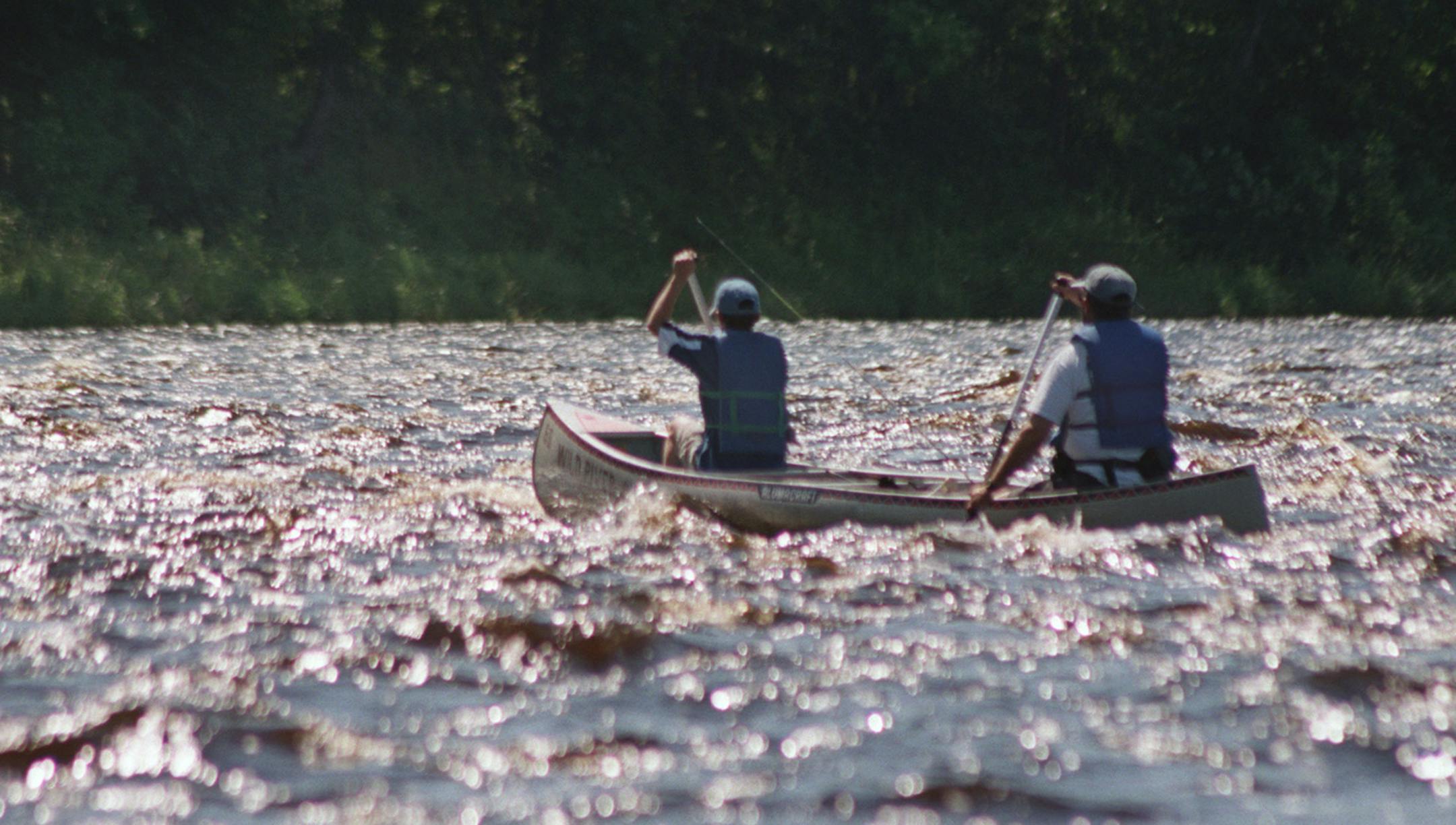
In a 1963 edition of Minnesota Conservation Volunteer, the magazine published by the Department of Natural Resources, Gov. Karl Rolvaag wrote that canoeing on Minnesota's streams and rivers was a "recreational sleeping giant."
It still is.
In the same issue, editor John McKane wrote: "Aside from a small and dedicated fraternity of canoeists who know the secret of recreation at its best on state streams outside of the Arrowhead, the majority of Minnesota rivers remain 'forgotten rivers.' "
Those same words could describe the state of paddling today.
That edition of the magazine introduced what would become Minnesota's network of Water Trails. The idea was to inspire folks to explore our 15,000 miles of streams and rivers.
The legislation turned 50 years old in 2013. Today there are 33 designated rivers, marking 4,500 miles of routes. But paddling in Minnesota is still largely invisible, besides the exceptional opportunities in the Boundary Waters Canoe Area Wilderness.
Personally, I return often to favorite stretches of my home river, the St. Croix. Too often, probably, but it's a marvel of a waterway — so accessible, yet so wild. Earlier this month, as soon as eight friends and I got on the water east of Pine City, we could hear rapids ahead. The fast water quickly transported us to a very different state of mind. We spent the afternoon slipping by cedars and stopping at sandbars.
A week later, I took my kayak to a familiar landing closer to the Twin Cities for a Friday afternoon solo outing. I first paddled upriver through a side channel, pushing against the current a couple of miles to a sandbar, where I got out to fish. Then I floated back down the main channel past limestone banks seeping spring water, and past white pines and sandy beaches, letting the current carry me home.


