Deborah Madison has been a trusty friend in my kitchen for more than 30 years, though I just met her in person last summer.
Under her guidance I discovered baked polenta ("The Greens Cookbook"), mastered Indian dahl ("Vegetarian Cooking for Everyone") and learned to love tofu ("This Can't Be Tofu").
Her books have helped me figure out how to satisfy a vegan niece and lactose-free nephew at our Thanksgiving table. Her Penne With Roasted Peppers, Saffron and Basil Cream ("Savory Way") is a recipe I can make by heart, and often do. Patient, practical and often witty, Madison is the cookbook author I turn to when I'm stumped.
As Madison's work has evolved, so has my cooking. Her recipes are now shorter, the methods more straightforward and the flavors are bolder, cleaner and sparked with surprise. She swirls miso into butter, tahini into sweet potato purée, and turns parsnips into cardamom-spiked custard, all with delicious aplomb.
Planting culinary seeds
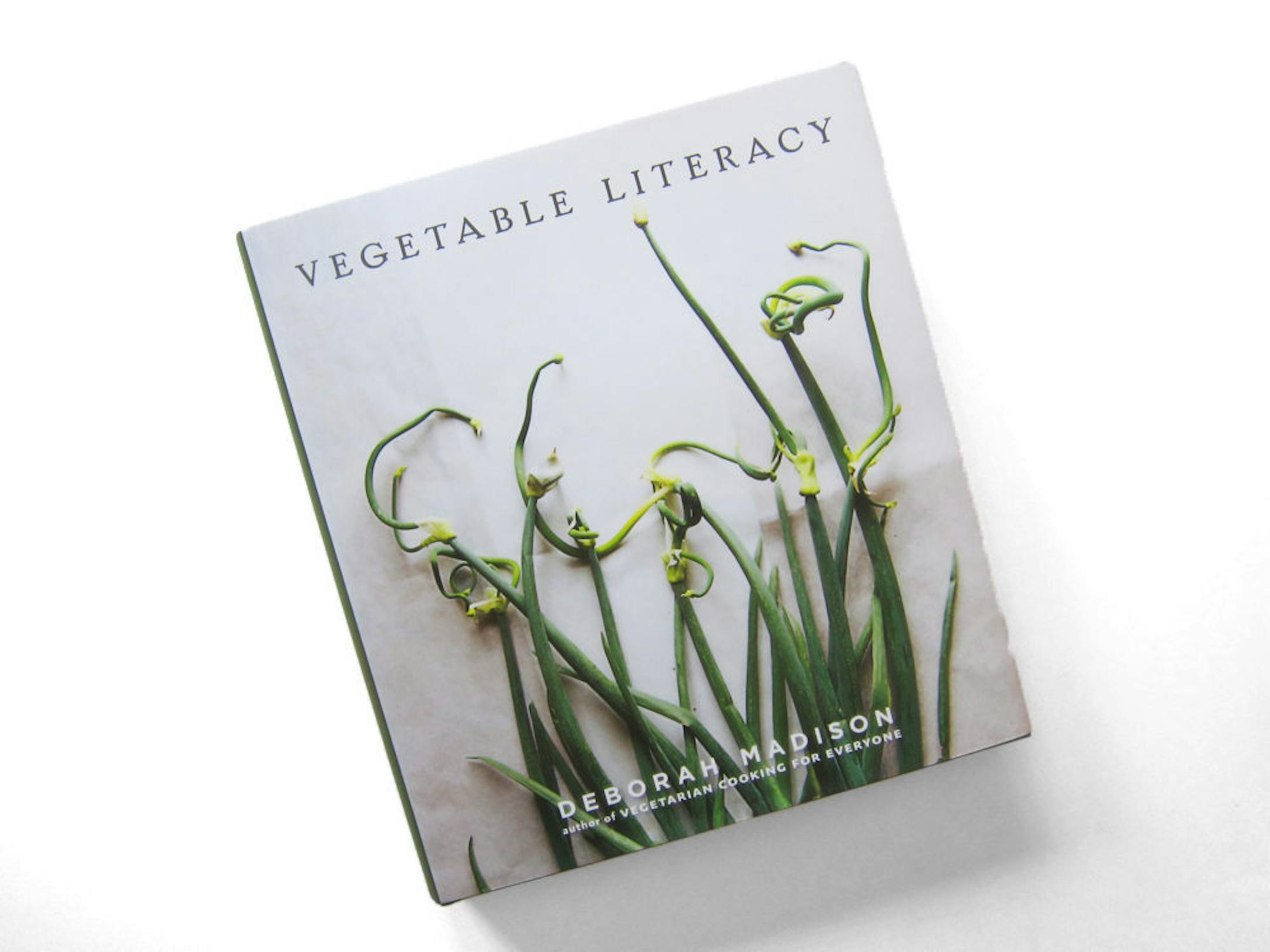
Madison recently published her 11th book, "Vegetable Literacy," a comprehensive and whimsical guide to the kingdom of edible plants that journeys out of the kitchen and into the garden. The term "literacy" implies the full understanding of a subject.
I asked Madison about the title during a recent phone interview from her home in Santa Fe, N.M. "I wanted to get beyond a vegetable's prettiness and charms," she said. "To understand its place in the garden helps to predict how it will relate to other foods on the plate."
She organized the book into 12 botanical families, each with details of the individual vegetable, recipes, suggestions for seasoning and substitutions.
"Getting to know the plant families made it clear that, like human families, they share characteristics. This understanding gives a cook confidence and freedom," she said. "For example, knowing that dill, chervil, cumin, parsley, coriander, anise, lovage and caraway come from the umbellifer family explains why they're such good matches for another family member, carrots."