

A modest display of pyrotechnics at the Brandenburg Gate accompanied by the ill-fitting tune of "Auld Lang Syne" drifting through the empty streets of Berlin — New Year's Eve in Germany was again a rather subdued affair because of rising coronavirus infections. But not in the small village of Grohnde in Lower Saxony, where loud cheers could be heard at midnight.
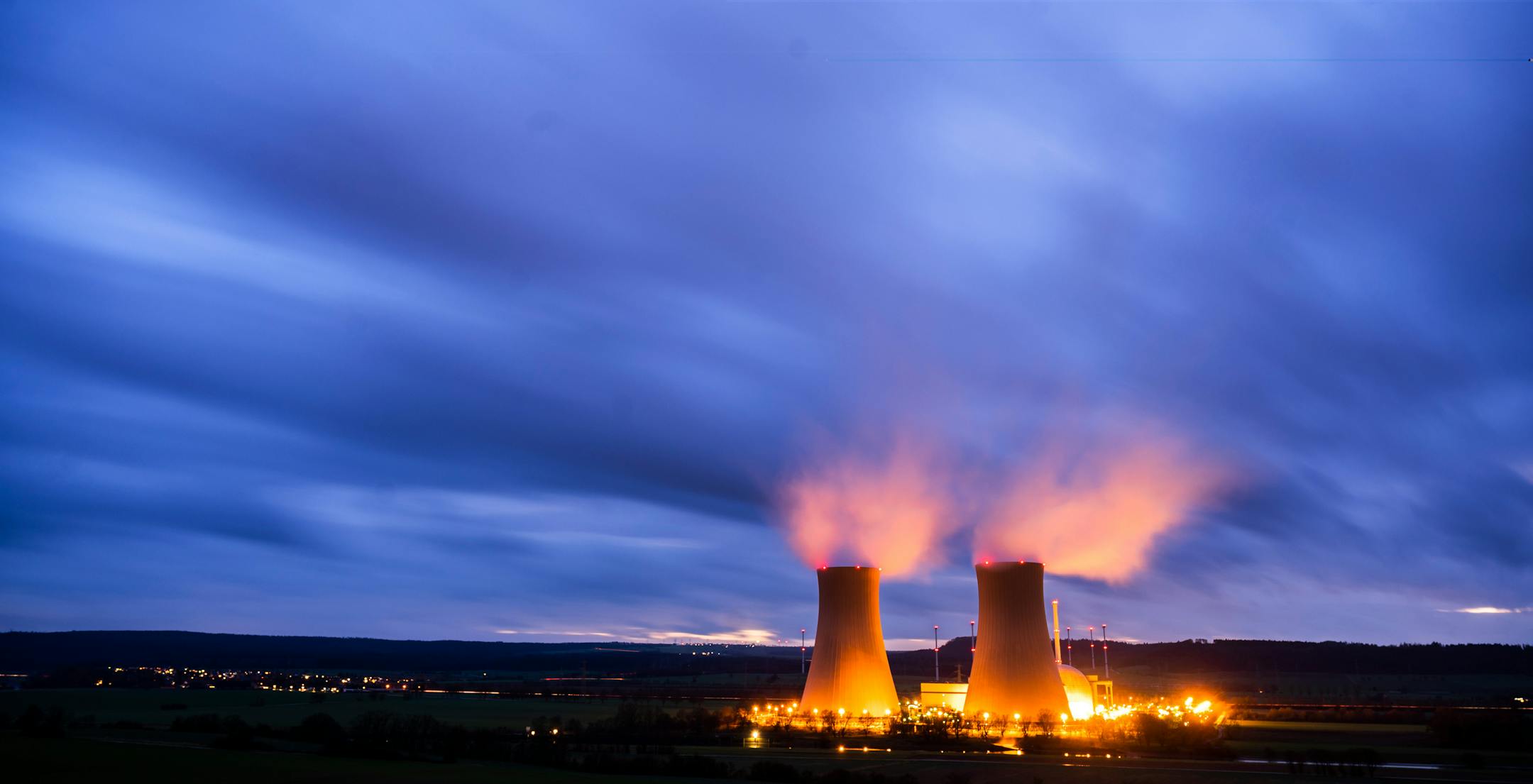
A group of around 100 people had gathered there in front of the giant twin towers that could be seen from miles around. They had come to celebrate what they called a "historic moment." One of Germany's oldest nuclear power plants had just ceased operation.
Just before midnight on Dec. 31, Germany switched off three more of its nuclear power plants. Once it had 17; now only three are left, and they too will be shut down at the end of the year.
Soon Germany will produce no nuclear energy at all. But the activists were wrong to celebrate. Germany's hasty nuclear retreat is neither safe nor green. It's a disastrous mistake that will have ramifications well beyond the country's own borders.
The Grohnde plant is a perfect example of what Germany is giving up. It was one of the most productive nuclear power plants in the world. It provided enough electricity to cover 15% of Lower Saxony's annual energy needs single-handedly, saving 10 million tons of carbon dioxide emissions a year in the process. The site even made headlines in February 2021 for producing more electricity than any other nuclear power plant in the world. Now it will have to be dismantled at a cost of around 1 billion euros.
Germany's new vice chancellor, Robert Habeck of the Green Party, justified the decision on national TV a couple of days earlier: "Our exit from nuclear energy is right. … We may be doing this much quicker than other European countries but we have made a conscious decision to do so."
Conscious or not, the decision will isolate Germany. The pro-E.U. government in Berlin finds itself at odds with Brussels over its views on nuclear energy. The German president of the European Commission, Ursula von der Leyen, has said that the E.U. still needs nuclear technology, and French President Emmanuel Macron announced in a televised speech that he is going to "relaunch the construction of nuclear reactors in our country."
There are historical reasons for Germany's unique skepticism. For more than four decades, the Iron Curtain ran right through the country. If the Cold War had turned hot, Germany would have been on the front lines of a nuclear battlefield. Both the Soviet Union and the United States had stationed nuclear weapons on German soil. Anti-nuclear anxieties led to an amalgamation of pacifism and environmentalism.


