

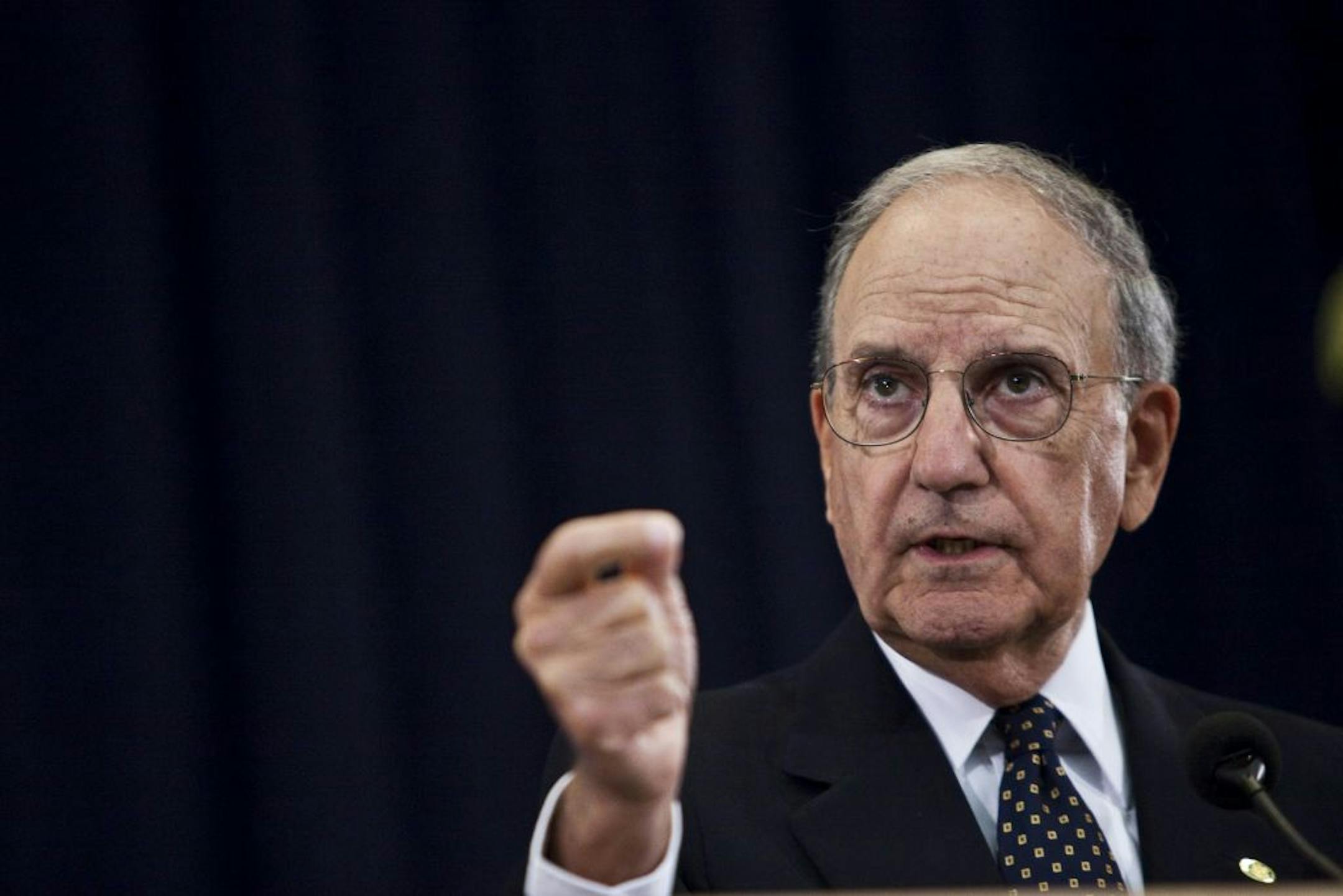
Minnesotans should hope that brokering peace in Northern Ireland adequately prepared former U.S. Senate Majority Leader George Mitchell for his newest challenge — finding common ground in the seemingly intractable Minnesota Orchestra dispute.
In May the Editorial Board called on Gov. Mark Dayton to exert his influence to try to end the management-labor standoff that threatens the future of one of Minnesota's most valuable cultural assets.
According to the Star Tribune's Graydon Royce, Dayton responded to that plea by requesting names of potential mediators, and Mitchell eventually agreed to take the role despite his lack of experience in labor-management negotiations.
Minnesotans who desire a financially secure and artistically significant future for one of America's most respected orchestras finally have some reason for optimism.
Mitchell, 79, is best-known for his key role in negotiations that led to the Belfast Peace Agreement in 1998, as well as his unsuccessful efforts as U.S. special envoy for Middle East peace. At Major League Baseball's request, he also investigated the use of performance-enhancing drugs in the sport and released an explosive report that named 89 retired and active players.
Mitchell will need to draw on his experience at the negotiating table — and his analytical skills — to find a solution for the orchestra mess.
The two sides have met only once (on Jan. 2) since the musicians rejected management's first offer calling for a 32 percent cut in annual minimum salaries. The ongoing lockout started Oct. 1, and the players have not made a counteroffer.
The orchestra, like many around the country, is challenged by growing competition for the entertainment dollar, and by escalating costs and weakening support from ticket buyers and donors.


