Alex Simmons knew that her boyfriend was going to propose the day it happened.
What she didn't know is that she'd first spend the day logging her progress by GPS until she climbed more stairs than she could count and arrived at a bench where the proposal, written on a piece of paper, was stuck inside a container that looked like a rusty bolt.
"Basically, I had to go up 50 bajillion flights of stairs to get this stupid ring," Simmons joked.
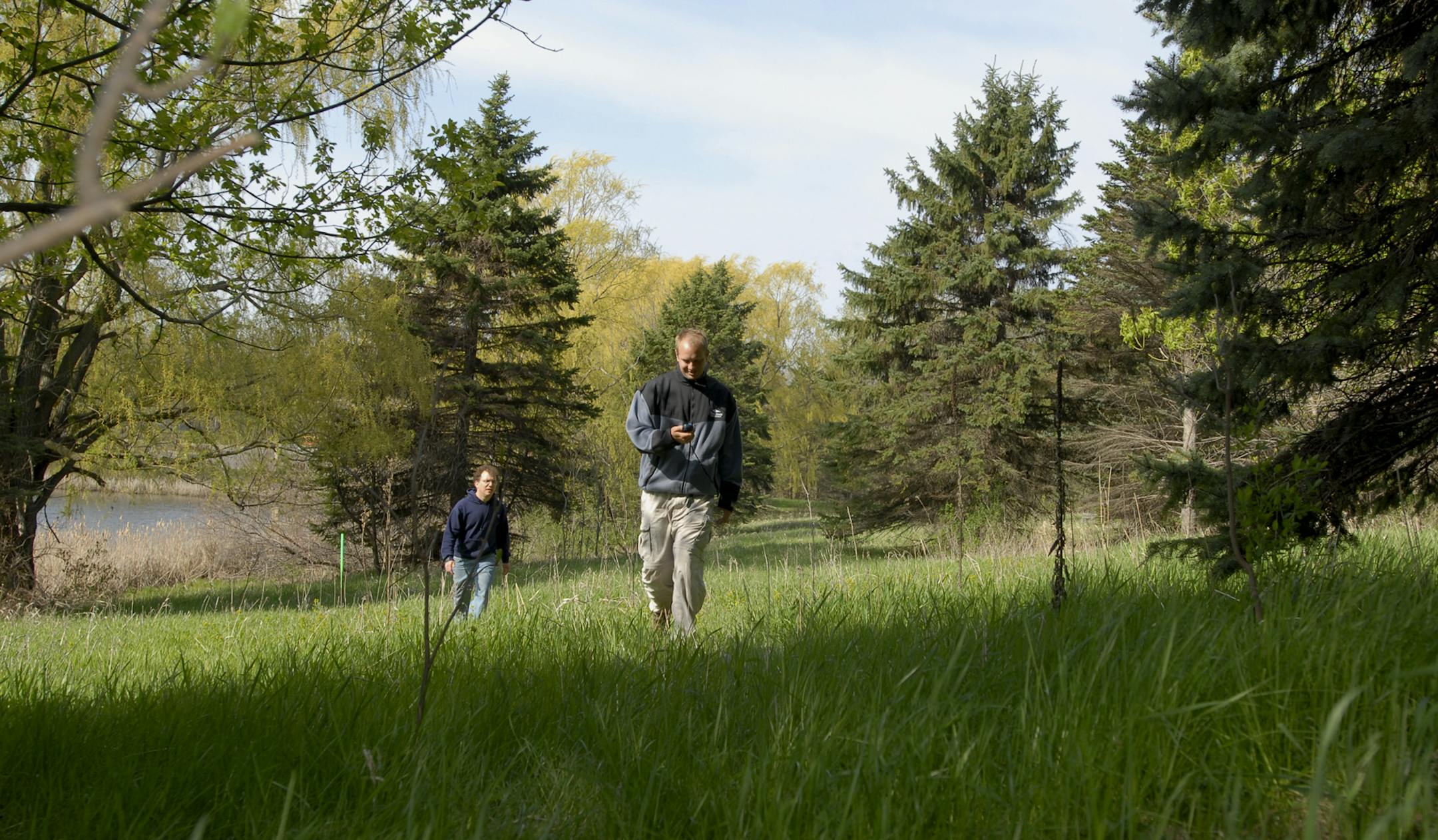
Simmons and her now-fiance, Ansell Toskas, were geocaching — a hobby growing in popularity around the world. Minnesota, where many parks host geocaching events and rent out equipment, is no exception.
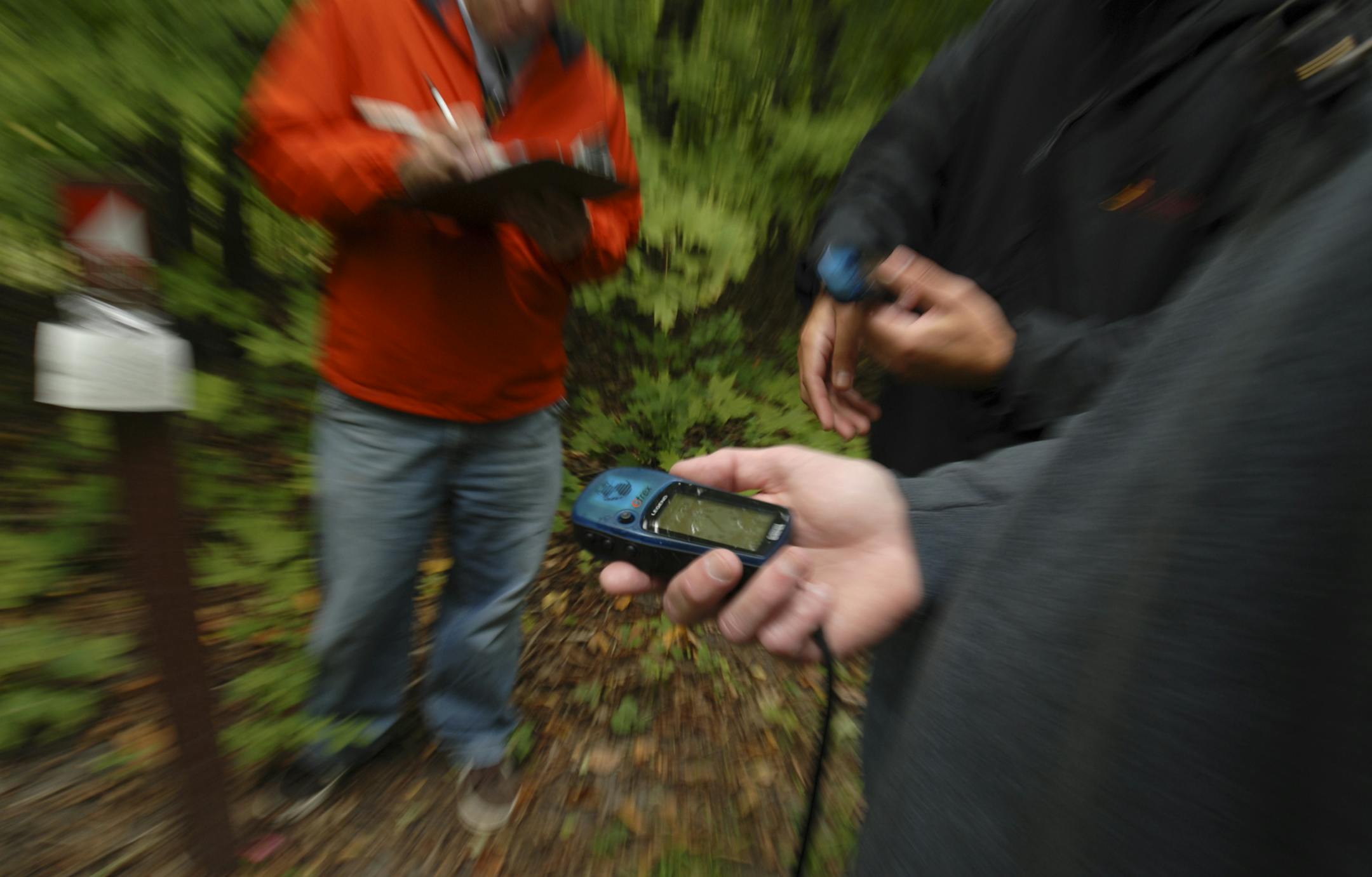
In traditional geocaching, players set out using GPS technology, such as a special handheld device made for geocaching or a mobile phone, and an online database or mobile app to find a hidden package, or "cache." Caches are usually a waterproof box with a trinket and a log inside, where visitors sign their names
The hobby, which started in 2000 with 75 known caches worldwide, now boasts more than 2.5 million caches, according to geocaching.com, one of the oldest and well-known geocaching sites today. The site has more than 10 million registered users.
Toskas, who has gone geocaching a handful of times, has noticed how large the community has become, not only in Minnesota, but in other states where he has searched for caches.
"The other times that I've tried it, I've run into other people geocaching," Toskas said. "It's kind of cool, it feels like you are in this little club."