

General Mills Inc. said Tuesday it plans to cut sodium levels by 20 percent across many of its product lines by 2015, making it the latest big packaged food company to go on a salt-reduction offensive.
Sara Lee, ConAgra Foods, Unilever and Kraft Foods have all announced similar broad salt reduction efforts during the past year or so. The moves come at time when foodmakers have been increasingly pressured by health advocacy groups to cut back on sodium.
Consumers often cite salt reduction as a goal in improving their own diets, research has shown. At the same time, they don't always practice what they preach, fearing that lower-salt foods won't taste as good. So many of the sodium cuts sweeping through the food industry are being done by stealth. Companies tend to phase them in, without overtly marketing the notion of less salt.
That will largely be the case at General Mills, too. While the company has specific low-salt food lines, notably among its Progresso brand soups, much of its long-term salt reduction will be done in steps, so the consumer doesn't notice, said Heidi Geller, a General Mills spokeswoman.
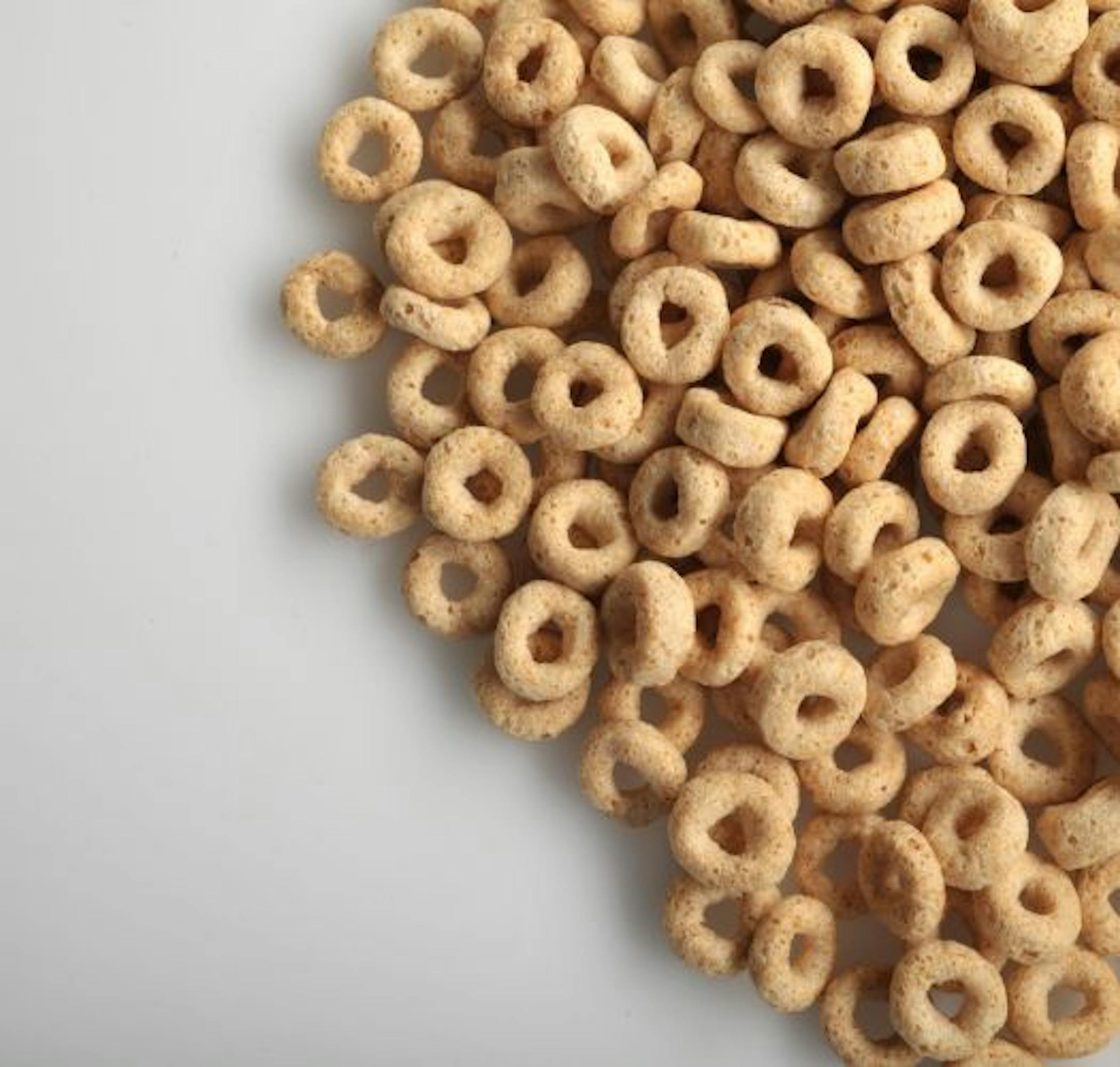
The company said in a statement that since 2005, it has been "working to silently trim sodium levels without compromising taste." For instance, sodium levels in Cheerios and Honey Nut Cheerios have been cut 16 percent, while they've been reduced 36 percent in Chex snack mix.
Golden Valley-based General Mills said its sodium cuts are also part of a five-year-old strategy to improve the health and nutrition profile of about 50 percent of its North American retail food business. The company said it has cut fat, salt and sugar, while adding vitamins, whole grain and fiber.
Mike Hughlett • 612-673-7003


