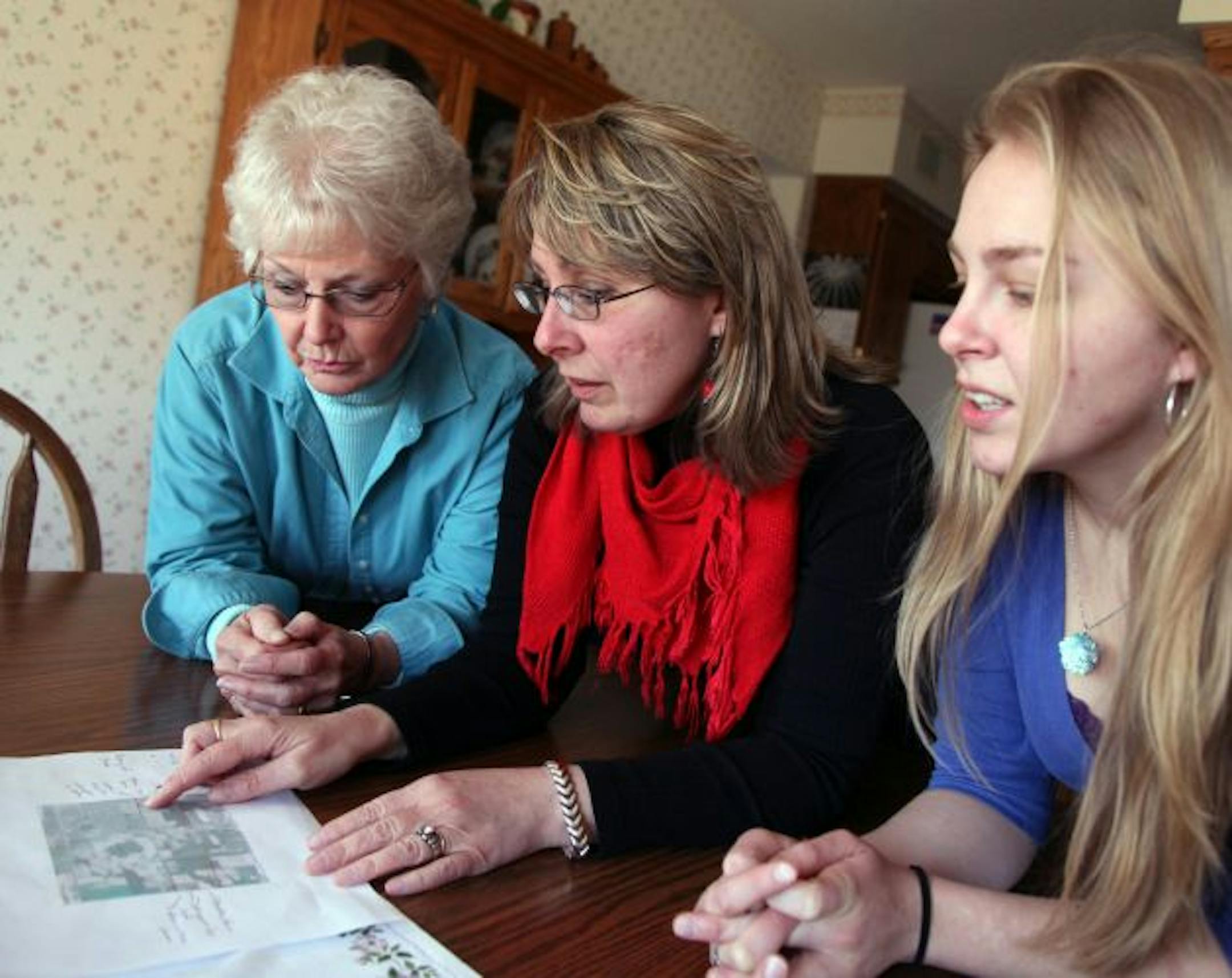
There was talk, that day, of resurrecting the family farm. Gayla Marty sat at the kitchen table with her mother and her daughter, drinking coffee from a flowered teacup. Bible verses hung at eye level. Gayla had brought out some old black-and-white photos that no one had seen in a long time: herself as a little girl being pushed in a wheelbarrow, cows in the creek.
Those cows caught her daughter's eye. "It's the same creek!" said Claire, 26, pointing out the window. (There it was!) Certainly this place would be perfect for raising goats and making artisan cheese.
Gayla's mother, Margaret, stroked the stray-turned-housecat, named C.W., for her father. "Maybe if I was 50," she said. (She's 71, but you'd never guess.)
"It has field, forest, creek, it has everything," Claire said.
"Everything but fencing," said Gayla. Farming is a business, fences cost money and "any farmer who has farmed for any length of time is a realist about finances."
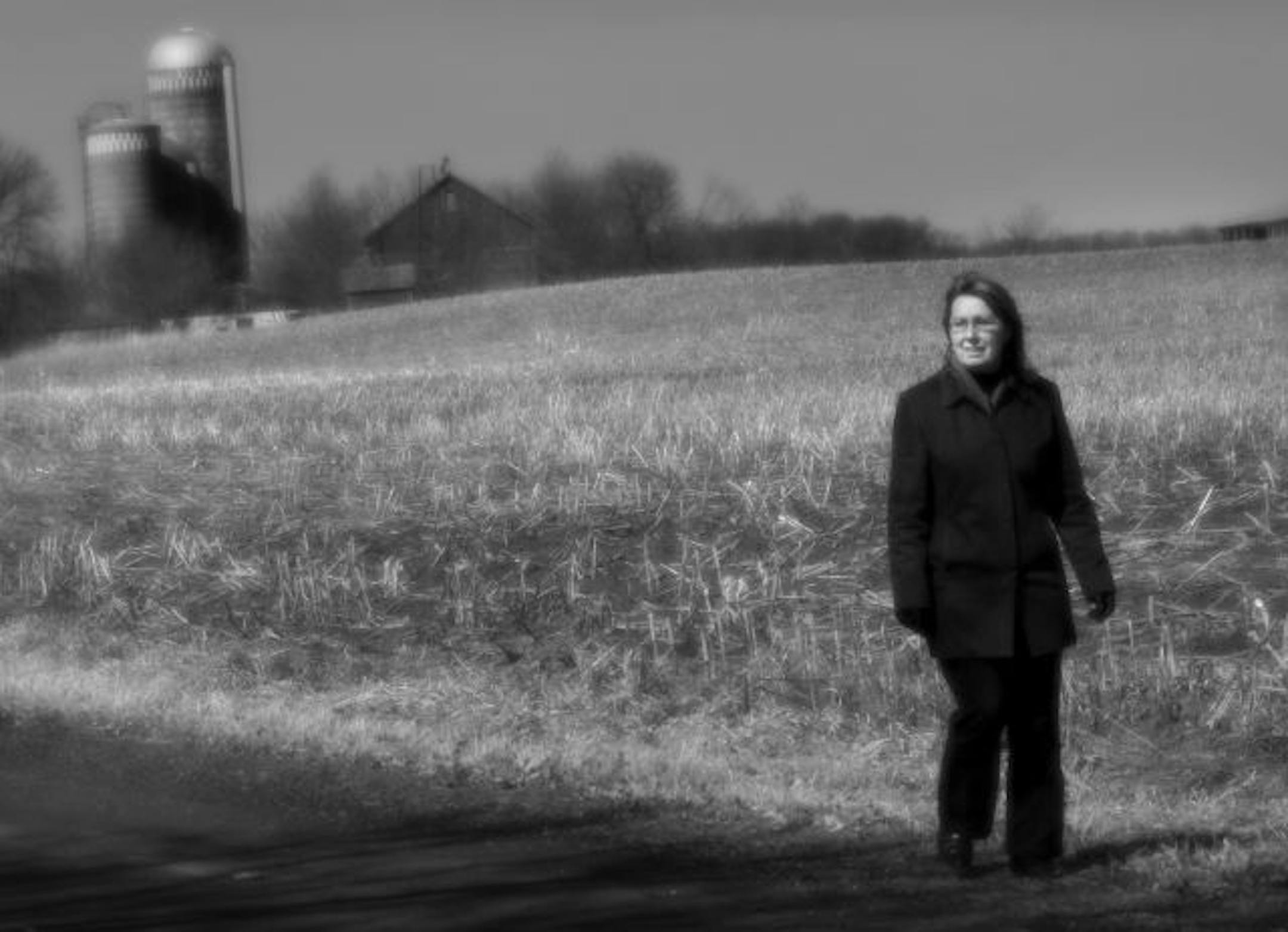
It was a strange time to be considering new beginnings for the remaining acres of Marty Farms, just north of Rush City, Minn. Gayla's memoir "Memory of Trees" was about to debut, endorsed by Patricia Hampl as "the elegy for the American family farm we've been waiting for."
It's a different kind of book from most regional farm memoirs. Gayla doesn't work the wide open spaces, but zooms in on trees, her muse since fourth grade, when she gathered a leaf collection. (She is now 52.) It is an intimate story.
Growing up, "I didn't just have one set of parents," Gayla said. The Anderson sisters (Lorraine and Margaret) married the Marty brothers (Gaylon and Gordon) in the 1950s. They raised their kids, worshiped God and worked the dairy farm -- 460 acres at its largest -- from houses separated by only 50 steps, so close that Lorraine and Margaret could stand at their windows and wave to each other.