Russia's law passed last summer banning "propaganda of nontraditional sexual relations to minors" triggered calls for a boycott of the Sochi Olympics. The statute discriminated against gays, protesters argued, and the Winter Games should not be held in a country that did not fully embrace one of the bedrock principles of the Olympic movement.
Monica Meyer believed just the opposite. The executive director of OutFront Minnesota — a key player in the campaign to legalize gay marriage in the state — thought the world's grandest sports festival could serve as a worldwide podium for promoting equality. "This law is about creating silence and fear," she said. "Instead, [the Olympics] are really shining a light on the international effort to send a message that people should be able to be who they are."
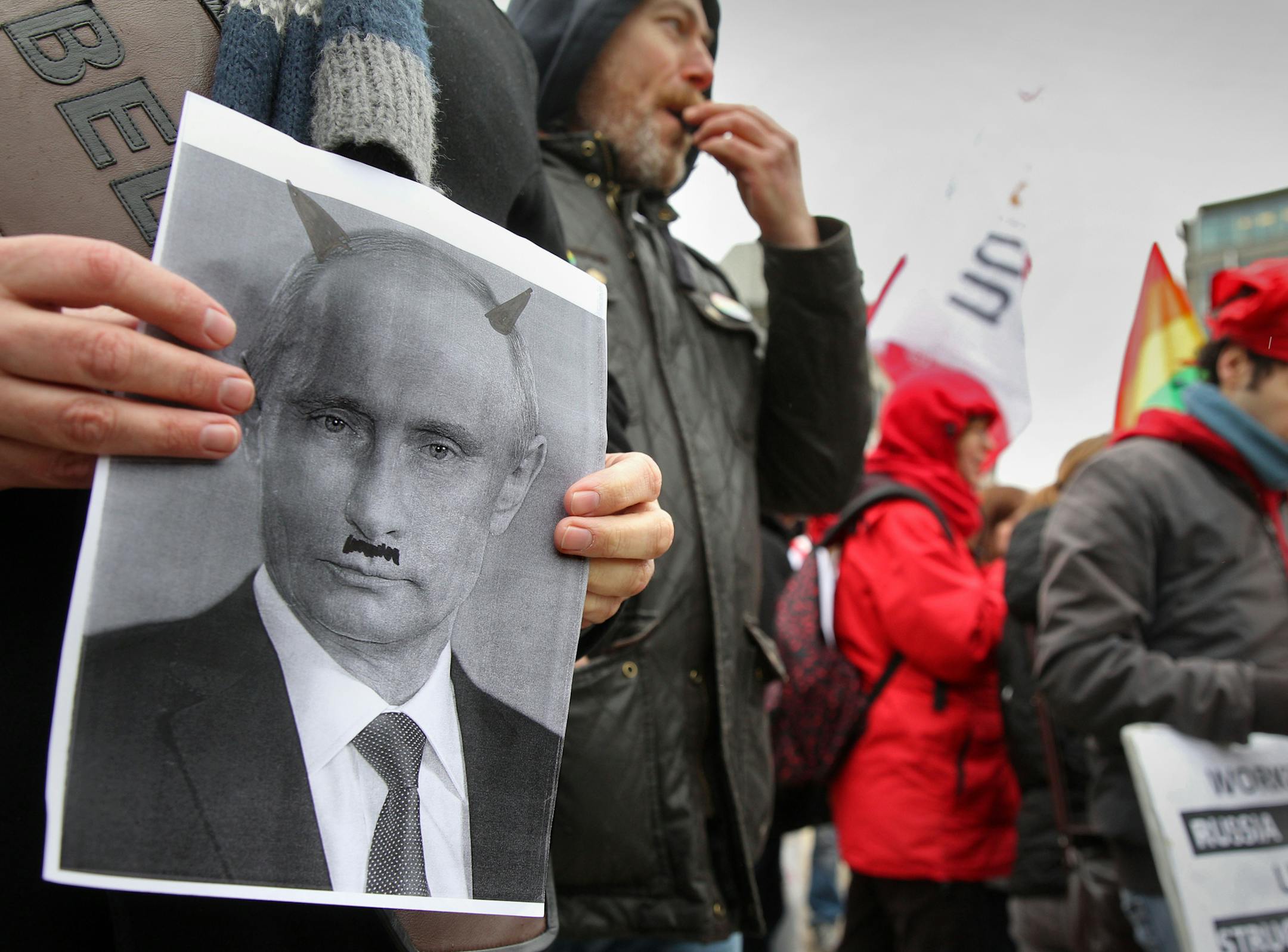
A week before the start of the Winter Games in the southern resort city of Sochi, Russia's prohibition on public displays of support for gays continues to generate both concern and protests. Russian President Vladimir Putin has said gays will not face discrimination during the Olympics' 17-day run and that visitors should feel "safe and free."
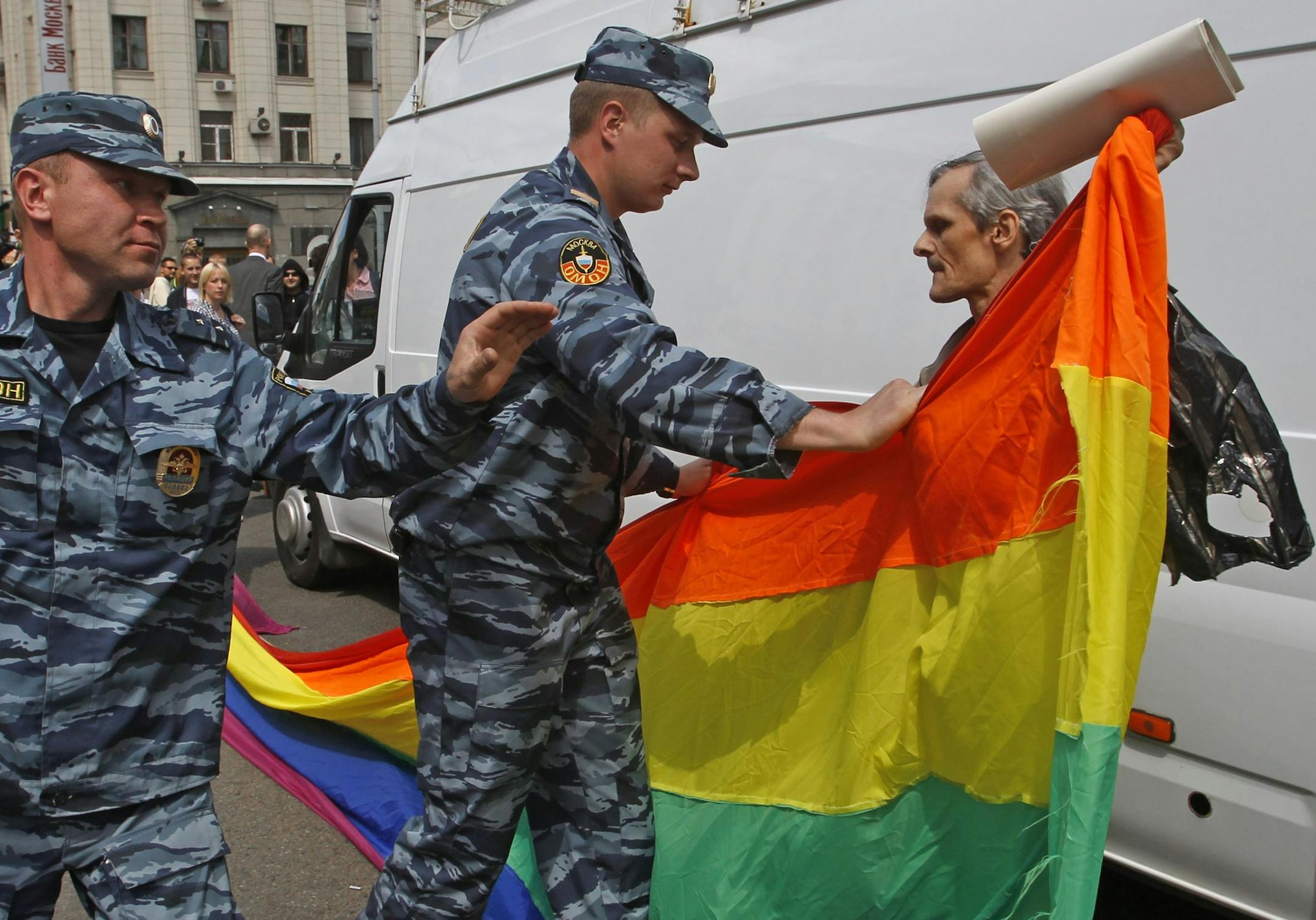
But a man who waved a rainbow flag along the route of the Olympic torch relay earlier this month was detained by police, and human rights groups report rising violence against gays within Russia since the law was passed in June. The International Olympic Committee also has faced criticism for not speaking out against the law and for rules that could punish athletes who show gestures of support for gays.
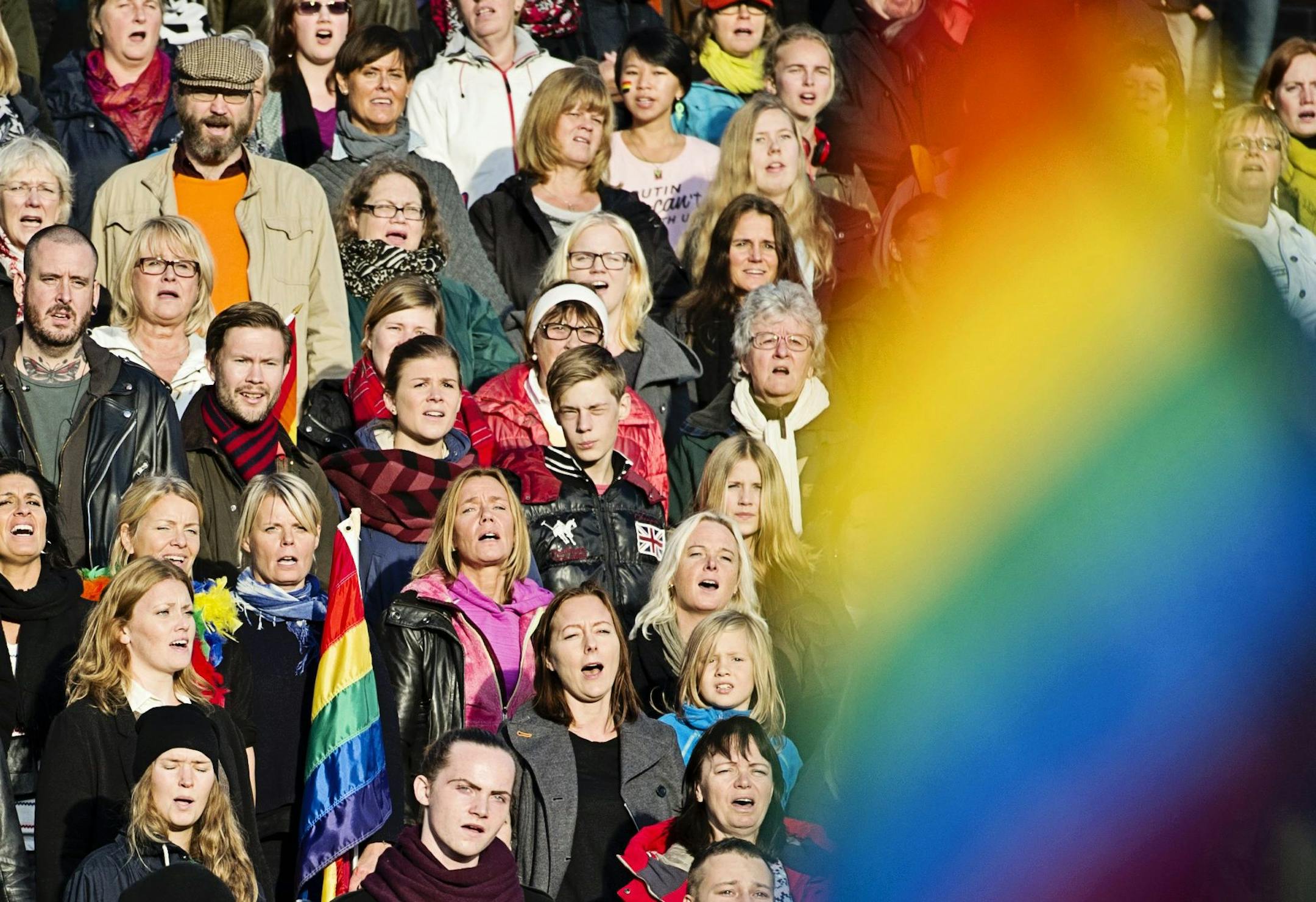
Some already have found creative ways of expressing dissent — including President Obama, who named three openly gay athletes to the U.S. delegation at the opening and closing ceremonies. While Meyer said it is impossible to predict whether the furor will create greater acceptance of gays in Russia, she said the Olympics have given the conversation an invaluable global platform.
"The reason we were able to win [marriage equality] is because Minnesota got to talk about these issues," she said. "With the international visibility around this, there are so many conversations throughout the U.S. and other countries.
"It helps LGBT people all over the world see there is international support. Whether you're in a country that is more accepting or a country that limits your freedom, that message is still really inspiring."
According to the Council for Global Equality, an advocacy group based in Washington, Russia has been rated the least protective country in Europe for gays. Several regions in Russia — including Sochi's — already had passed similar "gay propaganda" laws before the federal ban was enacted.