
Gas tax holiday would only hurt state's road, bridge funds

And consumer checkbooks would barely feel the difference.

March 4, 2022 at 11:45PM
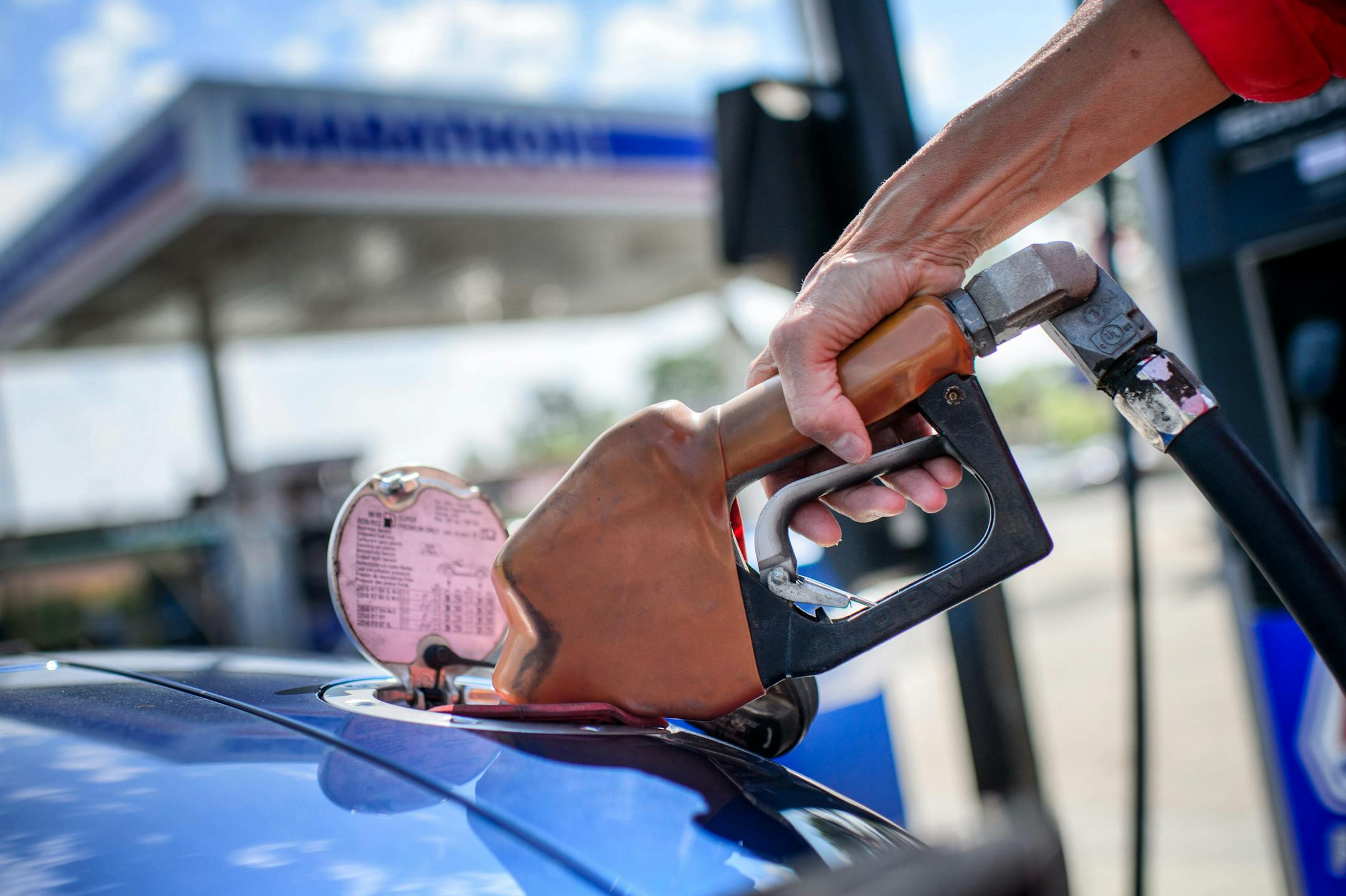
“The only certain result of a [gas] tax waiver is that the state’s road and bridge fund would be shorted by $210 million or so,” Ron Way writes. (Glen Stubbe, Star Tribune/The Minnesota Star Tribune)

A "gas tax holiday" would offset spiking pump prices and give welcome relief tor Minnesotans already saddled with steep inflation. Right?

Five Minnesota House DFLers think so. They want the state's 28.6-cents tax per gallon to be waived from Memorial Day to Labor Day so vacationers save some coin.

Reality is otherwise. The only certain result of a tax waiver is that the state's road and bridge fund would be shorted by $210 million or so.

Pump prices would change little, if at all, agreed Denton Cinquegrana, chief analyst for the Oil and Price Information Service in New Jersey. Pricing is complex, and adjusting just one of many factors "isn't really enough to move the needle," he said.

Minnesotans pay about $3.40 for a gallon of regular (prices change daily), and given supply uncertainties with Russia's war in Ukraine, that could zip past $4 per gallon before long. A gas tax holiday is only about 7% of the total, and on any given day gas prices around the Twin Cities and across Minnesota vary by more than that.

Supply and demand drives pump prices. Stations in affluent areas tend to post higher prices than elsewhere; and proximity to refineries affects things, as do refinery disruptions. Metro prices tend to be higher than rural prices.

A recent spot check showed the typical Minnesota pump price at $3.42 while neighboring Wisconsin was six cents lower, even though the Badger State's gas tax is a nickel higher. So much for taxes driving pump pricing.

But in uncertain times consumers expect their political leaders will do something … anything.

Recall last November when President Joe Biden "did something" by releasing 50 million barrels from the nation's Strategic Oil Reserve? Sounded good, but follow-up showed little to no effect at the pump.

With the Russian war, Biden recently joined 30 other nations to release 60 million barrels from reserves (half from the U.S.). It makes for feel-good headlines but, again, consumers will see little effect.

The idea, of course, is to increase supply to offset rising demand pressure. But while 60 million barrels sounds like a lot, it's just three days of U.S. oil consumption.

Truth is, American presidents have little leverage over pricing oil, a world commodity with prices driven by global supply and demand. However, the 13 nations in the Organization of the Petroleum Exporting Countries (OPEC+) collectively control a lot of production, and the cartel's supply decisions can affect world prices.

Sen. Joe Manchin, D-W. Va, says Biden should increase domestic production, but that's just plain dumb. U.S. production is privately owned and controlled, and companies do as always: Pump oil when it's profitable and cap wells when it isn't. Presidents don't control this.

On the other hand, governments like those in Saudi Arabia, Venezuela and Mexico can influence their domestic prices because they own oil production.

Some think pump prices would fall if the stalled Keystone pipeline was built. But again, oil pricing is set globally and Keystone's only certainty is that a Canadian pipeline would move oil through the U.S. to be refined in Texas and loaded onto tankers for shipment somewhere else. The U.S. is already a net oil exporter and more domestic supply would have little impact.

The Minnesota tax holiday plan is led by Rep. Zack Stephenson, DFL-Coon Rapids. It will face tough sledding because it's opposed by the Senate Transportation Committee's ranking DFLer, Scott Dibble of Minneapolis. GOP Senate Majority Leader Jeremy Miller of Winona dismissed it as an "election-year gimmick" (never mind that in December a gas tax waiver was proposed by a GOP colleague, House Minority Leader Kurt Daudt of Crown). And so it goes.

Meantime, at breakfast the other day a 16-ounce cup of regular coffee was $6, or $40 a gallon. There's usually a wait, including gas-guzzling SUVs idling in the drive-through.

Ron Way lives in Minneapolis. He's at ron-way@comcast.net.

about the writer

about the writer

Ron Way

More from Commentaries

See More
card image
Evgeniy Maloletka/The Associated Press

Yes, it has resources and strategic value. But it isn’t simply up for grabs.

card image
card image