

When Douglas Tiffany's grandfather emigrated from England around 1910, he used his woodworking skills to make models of cars that would be built in Detroit.
A century later, Tiffany is working with cars, too -- but in a distinctly updated medium.
Tiffany, an assistant extension professor at the University of Minnesota Twin Cities campuses, has developed an online spreadsheet tool that allows car buyers to figure out what kind of vehicle would be best for them -- conventional, hybrid or electric.
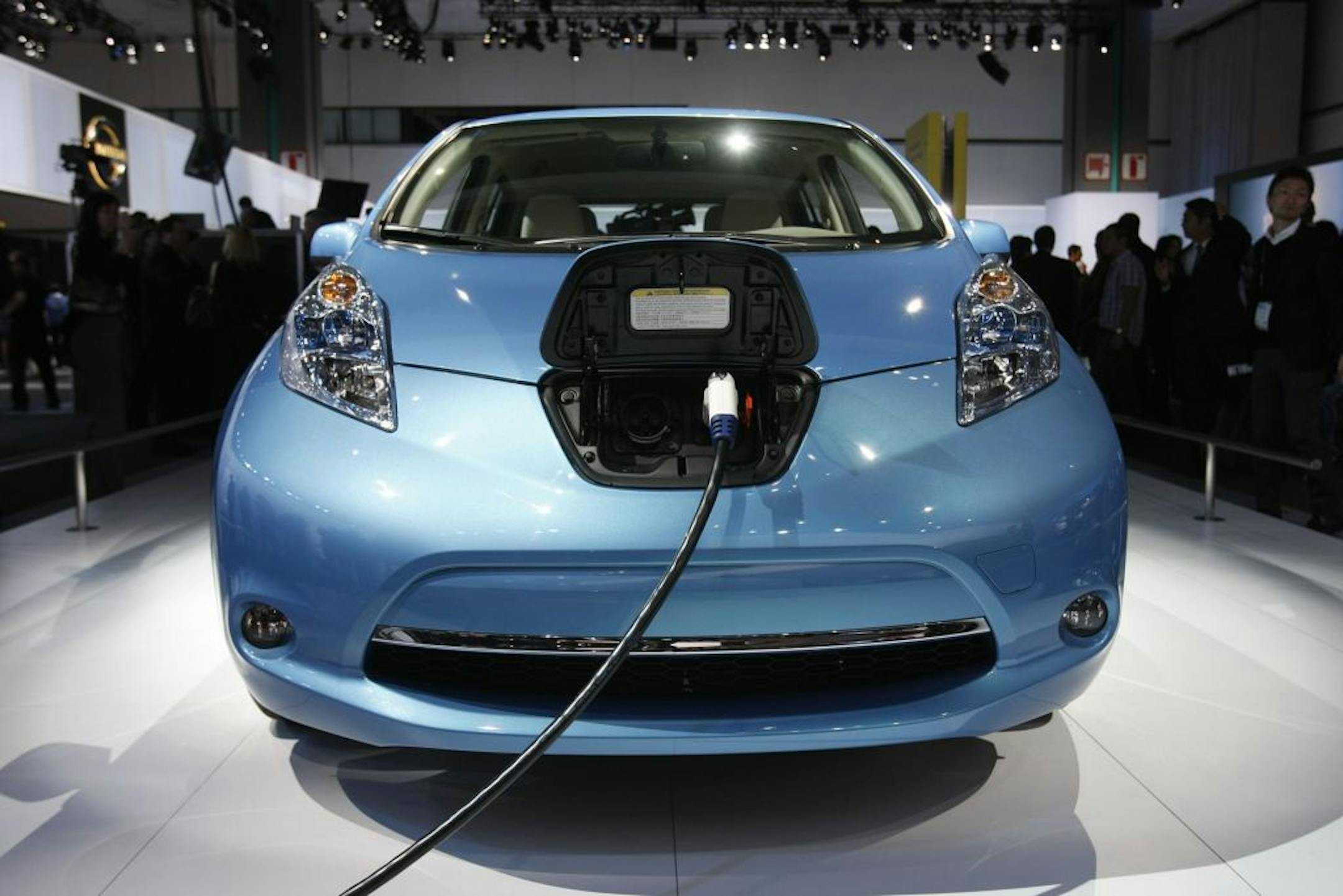
The spreadsheet -- which can be downloaded at Bit.ly/u970at -- allows buyers to compare conventional vehicles to hybrids such as the Toyota Prius, electric vehicles such as the Nissan Leaf, and extended-range electric vehicles such as the Chevrolet Volt. A short video on the site shows you how to use the spreadsheet. If you want to know even more, you can watch an hour-long video of a lecture Tiffany delivered on the subject.
The spreadsheet makes certain assumptions, such as the price of a particular type of vehicle, the interest rate charged on a car loan, and the expected miles per gallon of gas or kilowatt hour, and calculates the costs and carbon footprint over 15 years.
Car shoppers can insert figures such as the number of miles they drive per year to determine if a conventional, hybrid or electric car is the best value for them or will reduce their carbon footprint.
An agricultural energy researcher, Tiffany started the car-comparison project a couple of years ago when his brother mentioned he was considering buying a hybrid. "I said, 'Well, I think I can work out a good way to make this comparison,' " Tiffany said.
The federal Environmental Protection Agency has a comparison model that ranks mileage of hybrid versus conventional cars, but Tiffany wanted to take it further. His first version of the spreadsheet compared conventional cars with hybrids, taking into account a driver's estimated annual mileage. His second version provides more information, such as the carbon footprint made by the electricity that is generated to power electric cars versus that made by gasoline emissions. (The spreadsheet includes the average price of residential electricity consumed in Minnesota, but drivers can input figures for states that rely more or less on coal for electricity production and come with a lower carbon footprint.)


