

Canterbury Park will not be adding slot machines to its gaming choices this round, it seems. But I am sure the "racino" proposal will be back up for discussion the next time the state needs to find funds for a somewhat popular project that nobody wants to pay for.
Meanwhile, the news of an agreement between the tracks at Canterbury and Running Aces and the tribal casinos to moderately increase gaming at both sets of facilities stands as a beautiful example of compromise between organizations with competing interests.
No wonder the Legislature passed the authorization so quickly. Words like compromise and bipartisanship resonate with many independent voters.
Unfortunately, increased gaming does not benefit society at large.
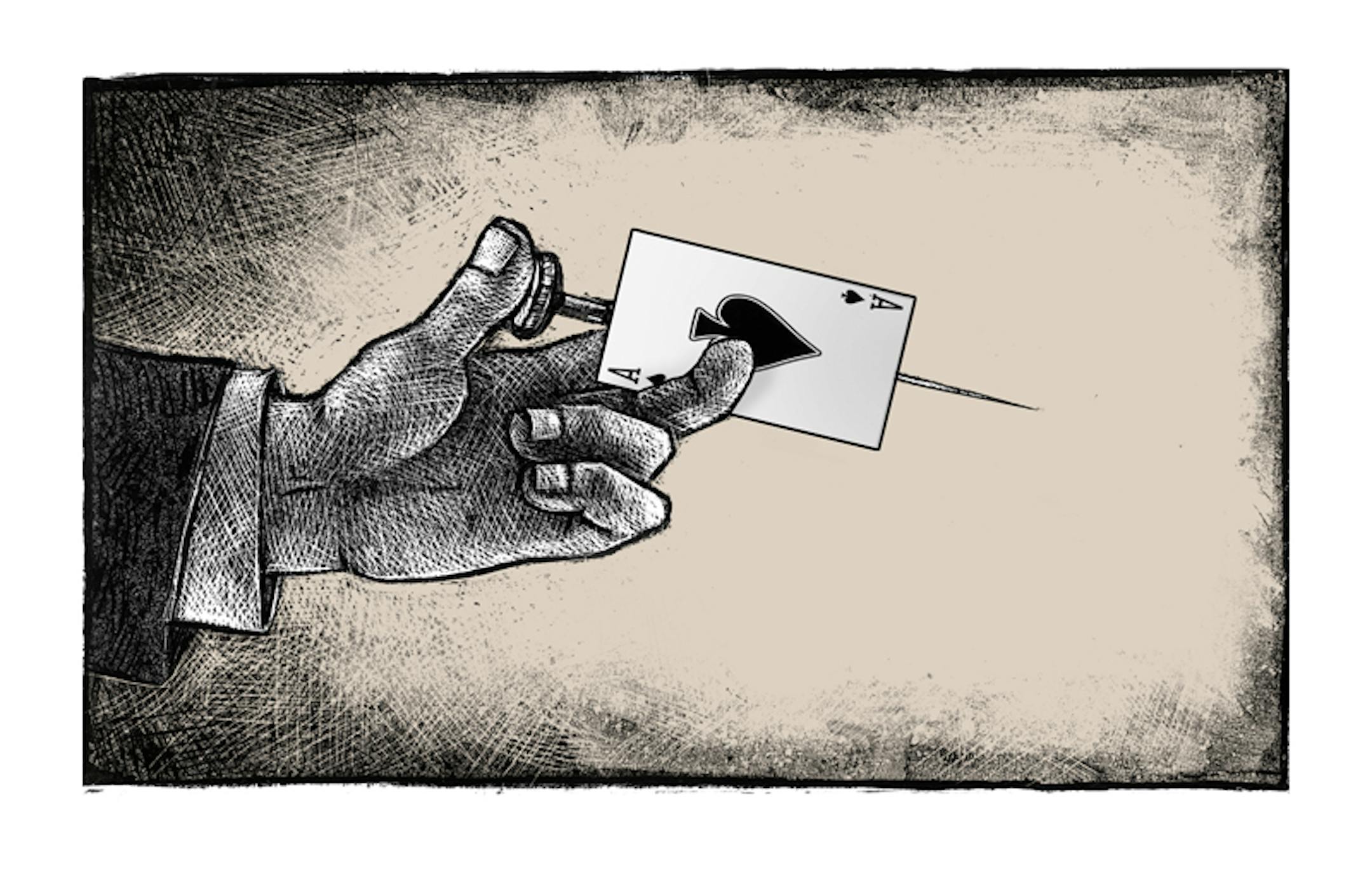
Gambling is never simply entertainment. It is a drug. For those who can afford to gamble, a pull on the slot machine or the hit on the blackjack table is arguably a harmless upper, something akin to going to a sporting event.
I, as a fan, agree to spend some money to participate in an event with an uncertain outcome. I can afford the excitement.
But for lower-income individuals, whose gaming wastes an unhealthy amount of their incomes, gambling is an opiate. The dream of wealth drives the wager. Anyone can win, right? Never mind the odds against it. I just need to get lucky once, right? This is not entertainment.
Of course, gambling is a choice. And according to a 2008 study in "The Journal of Risk and Uncertainty," households that earn less than $13,000 choose to spend 9 percent of their income on lottery tickets, on average. That is $1,170.


