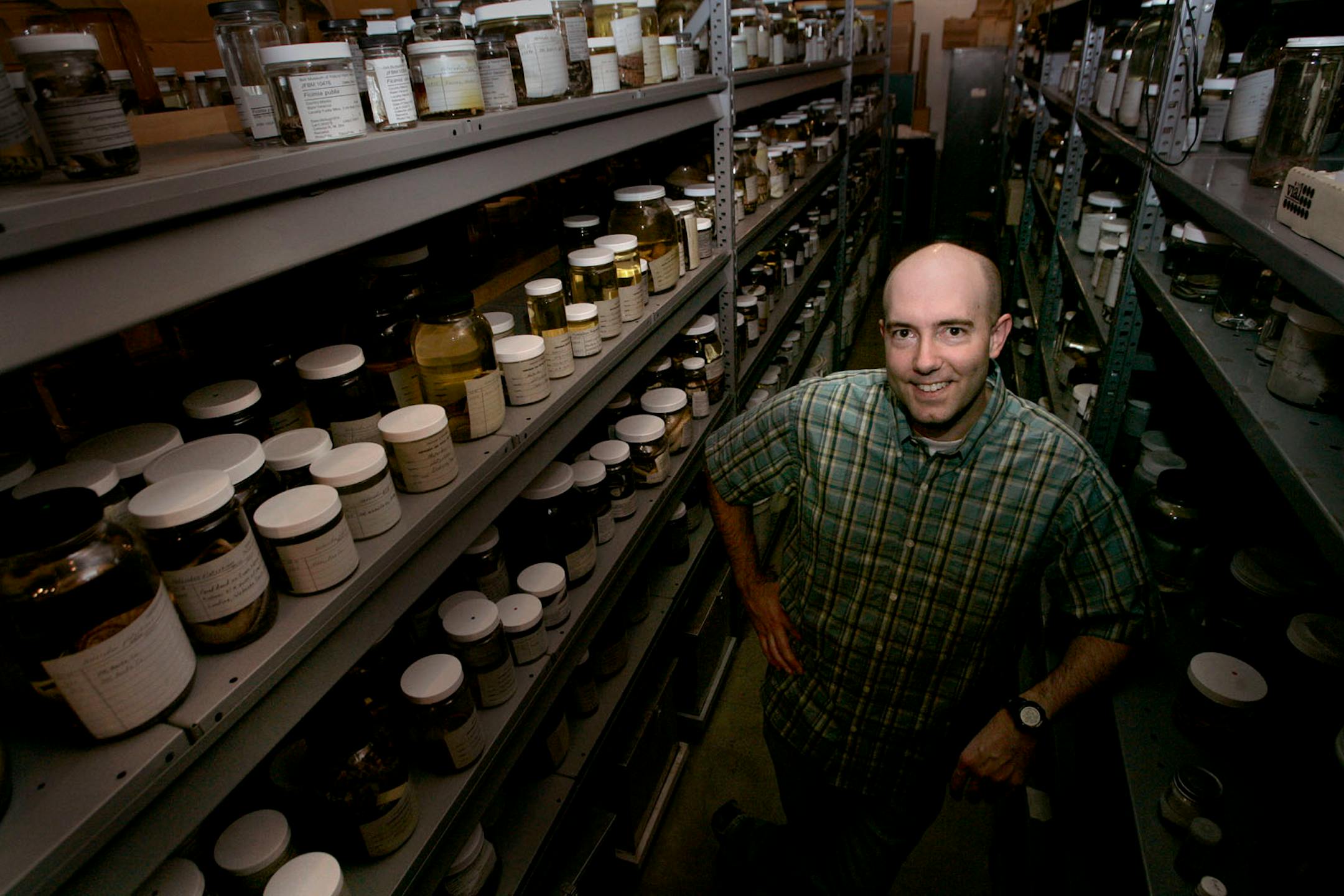
When we think of geckos, the chatty little guy peddling Geico car insurance comes to mind. Or the green flash skittering across the wall on your tropical vacation. But there's much more to geckos, according to Tony Gamble, a University of Minnesota graduate student with the Bell Museum.
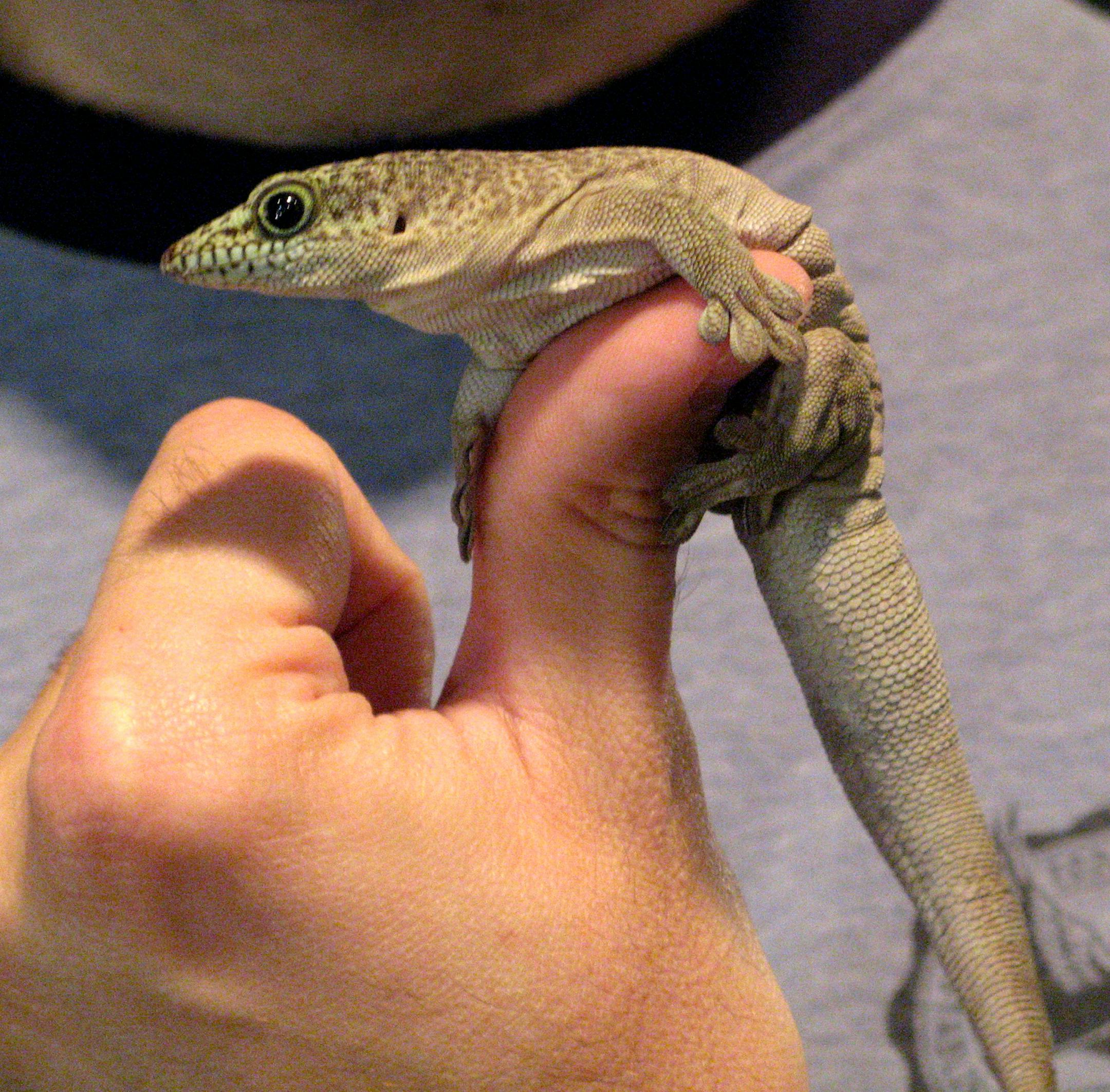
Gamble, 37, studies the evolutionary history of geckos, in particular their notoriously sticky toes. Believe it or not, he says, the gecko's dime-sized feet can suspend a 250-pound man from a ceiling. Scientists are developing a synthetic adhesive based on gecko toes -- it's already being used to make surgical closures -- and Gamble's evolutionary research may help.
While discussing his studies, including his recent discovery of a new gecko family, Gamble frames science in terms more of us can understand.
Q What makes geckos more interesting than other species?
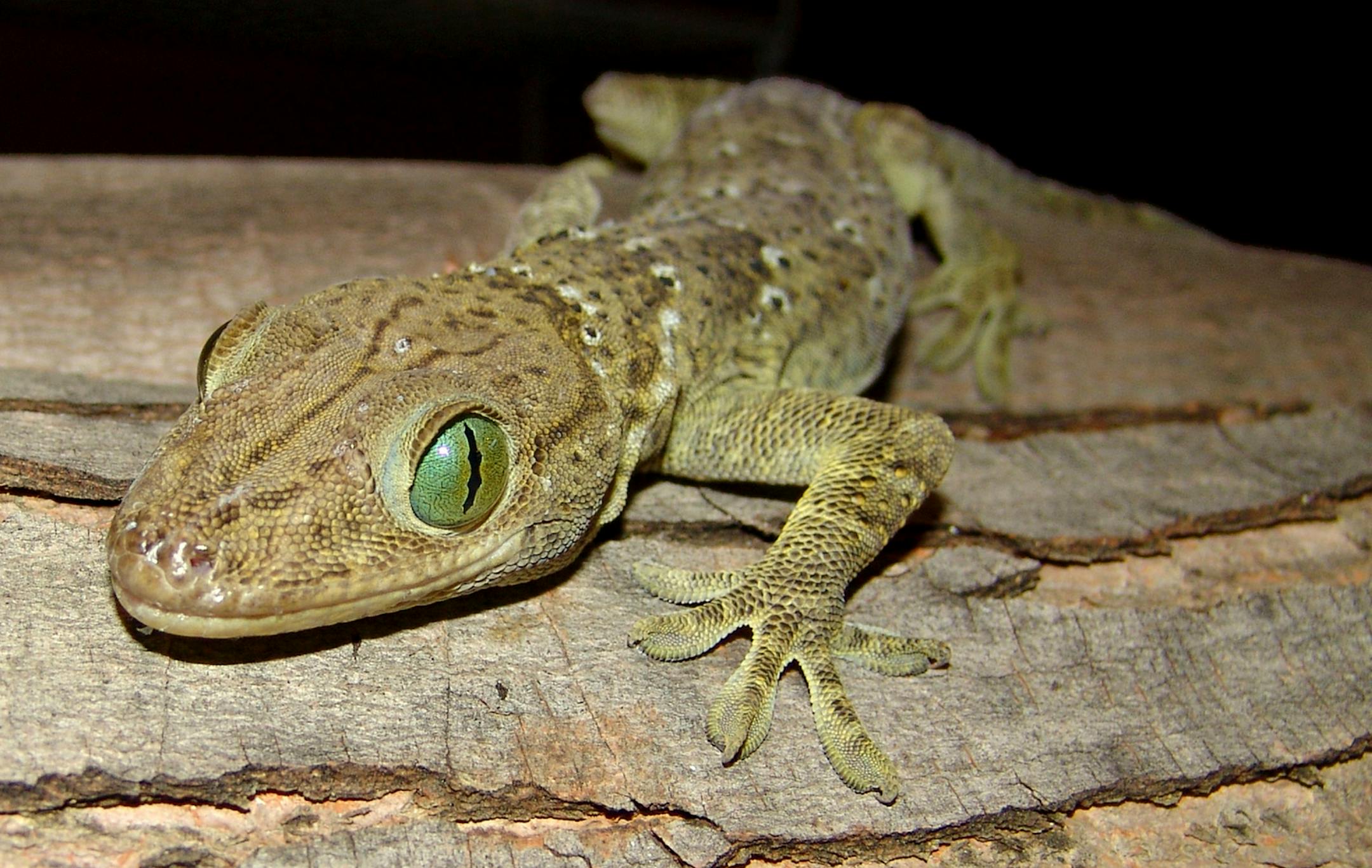
A What doesn't? I think part of it is their personalities. Most don't have eyelids so they have these big giant eyes that never move, just stare unwaveringly at you. They are also just extraordinarily diverse in shape and size, going from tiny to really beefy and big. They live everywhere from hot deserts, to rain forests, to cool mountains. There are 1,100 described species, and every year there are oodles more being discovered. You can never get bored with geckos.
Q How did you start studying them?
A I've been interested in reptiles for almost as long as I can remember. I had pet geckos as a kid. That got me charged up.
Q Tell me about this new family of gecko you've discovered.