

Opinion editor's note: Star Tribune Opinion publishes a mix of national and local commentaries online and in print each day. To contribute, click here.
•••
With the $5 million verdict against Donald Trump for sexual abuse and defamation in the E. Jean Carroll trial, the MeToo movement comes full circle.
Trump's election in 2016, after he'd been heard boasting of sexual assault on the "Access Hollywood" tape and accused of sexual assault by more than a dozen women, set off a tsunami of female fury. That fury powered the Women's March. It inspired countless women — some of them previously apolitical suburbanites — to put their lives on hold and throw themselves into activism or to run for office themselves. And that fury, that intolerable sense of incredulous disgust and civic violation, was the spark that set off the MeToo movement, as women, unable to do anything about the abuser running the country, turned their energy toward those in their own institutions, including the entertainment industry. I've long been convinced that Trump was the reason revelations about Harvey Weinstein led to a nationwide paroxysm.
The MeToo movement is why E. Jean Carroll wrote the memoir in which she revealed that Trump violated her in a Bergdorf Goodman changing room in the mid-1990s. "As the riotous, sickening stories of #MeToo surged across the country, I, like many women, could not help but be reminded of certain men in my own life," she wrote. The movement is the reason that in 2022, New York passed the Adult Survivors Act, which created a window during which sexual assault survivors could sue their attackers even beyond the statute of limitations. (The movement is also the reason the bill was signed by Gov. Kathy Hochul, not a disgraced Andrew Cuomo.)
Carroll's lawsuit was one of the first filed under the Adult Survivors Act. And because of her perseverance, Trump will, for the first time, face legal accountability for his treatment of women. Because of the MeToo movement, the man who started it all gets some measure of comeuppance.
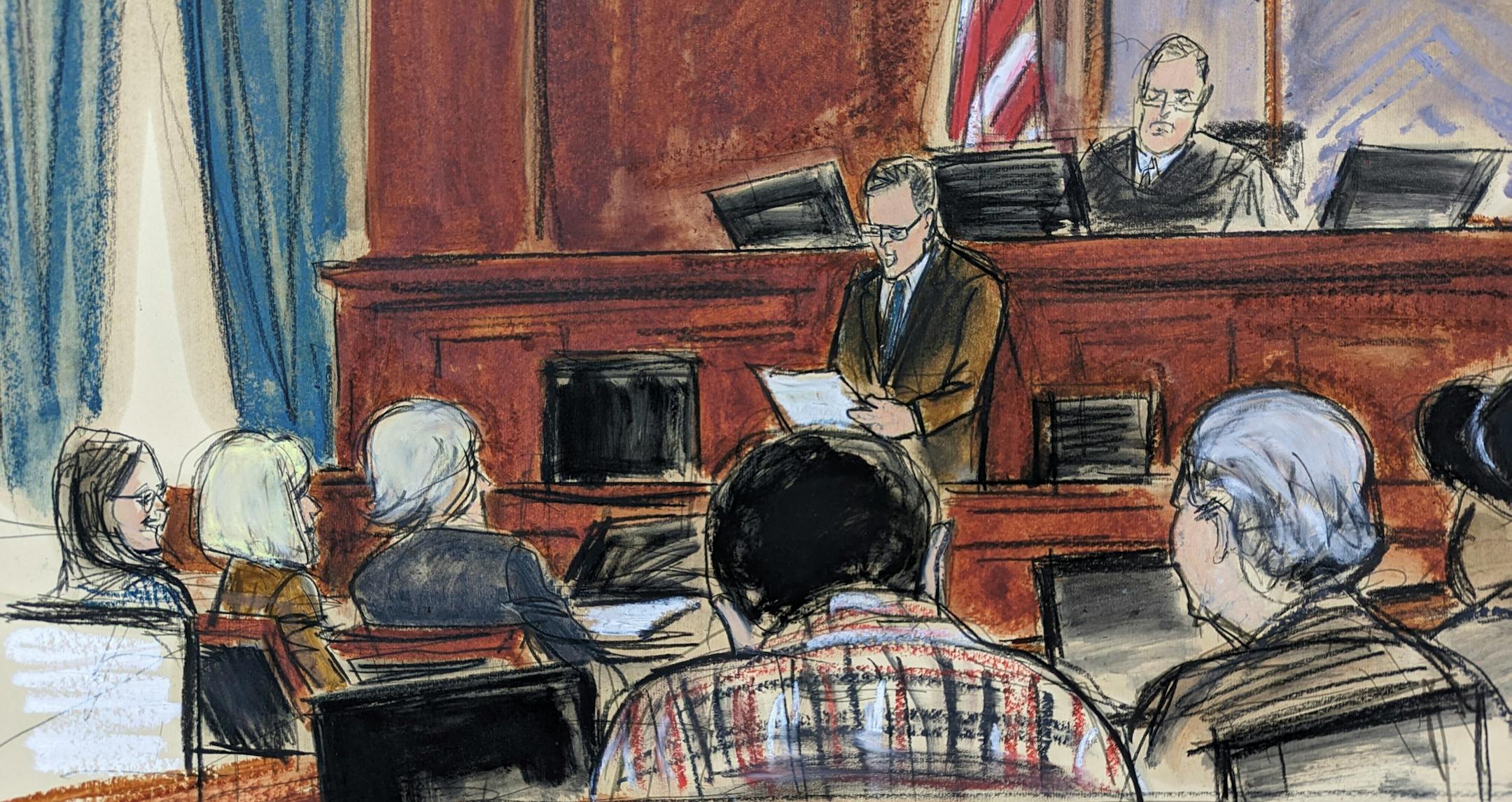
The trial itself was a test of how much MeToo has changed the culture. Carroll's lawyers asked a jury of six men and three women to understand why someone who'd suffered sexual abuse might keep quiet for decades, why she might not remember the date the assault happened and why her trauma might not manifest in predictable, easily legible ways.
Trump's lawyer Joseph Tacopina, on the other hand, tried the case as if MeToo hadn't happened. He badgered Carroll about why she hadn't screamed, why she hadn't called the police, why she hadn't gone to the hospital. He asked Jessica Leeds, who testified that Trump had groped her on an airplane, whether she ever recalled "telling the man to stop or say no or anything like that?"


