

Opinion editor's note: Editorials represent the opinions of the Star Tribune Editorial Board, which operates independently from the newsroom.
•••
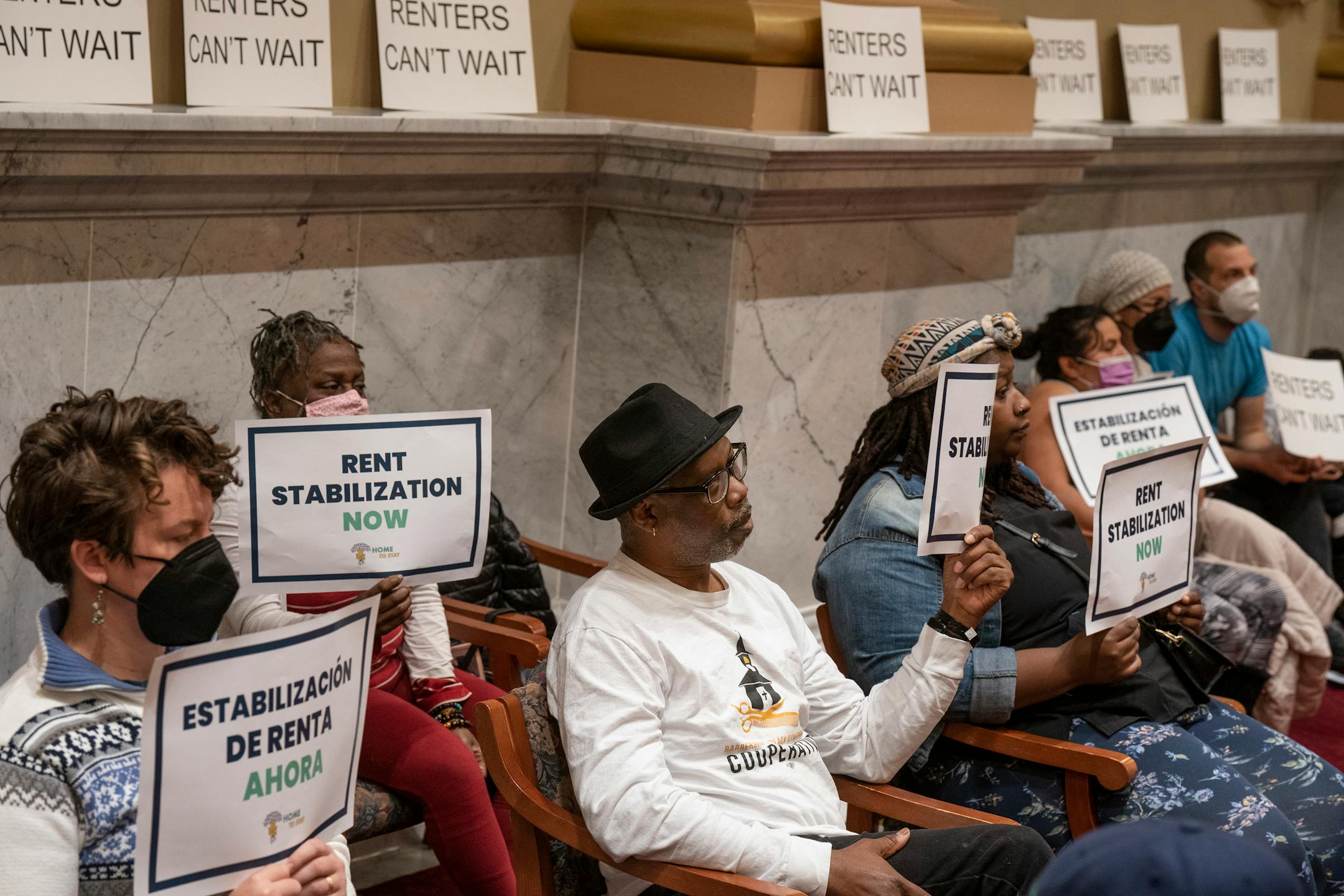
A recently released Minneapolis city staff report rightly opposes the 3% annual cap on rent increases that was recommended late last year by a working group of landlords and tenants, concluding that such a policy would not effectively address the cost burden for renters and would increase city costs.
Those sensible findings were presented Tuesday to the City Council's Business, Inspections, Housing and Zoning Committee. The committee received details about the 67-page study but did not take action.
The report found that rent stabilization would run counter to many city policies designed to promote increases in the amount of affordable housing. (Rent control is called rent stabilization by advocates and others who wish to distinguish new proposals from the strict, and ultimately unpopular, regulations of the past.) The analysis considered both the 3% cap proposed by the work group — similar to one approved in 2021 by voters in St. Paul — and a framework under which limits on rent increases are allowed to vary by inflation.
In addition, it found, a cap could encourage landlords to raise rents by the maximum amount allowed each year and discourage them from maintaining or improving their properties. And it could result in increased building and property taxes and significant spending on enforcement.
"Now is a particularly risky time to adopt a policy that staff anticipate would impede the development of new rental housing units," according to the report. "The city and surrounding market are still recovering from the economic impacts of the COVID-19 pandemic, and there are existing reasons to be concerned about the pace of needed development."
Mayor Jacob Frey opposes the 3% cap and has said he would veto it if it came across his desk. His view is supported by a Pew Research Center study that found that Minneapolis is one of several cities where efforts to create more affordable housing have slowed rent increases.


