An early riser, Willmar funeral director Nathan Streed usually begins his days around 6 a.m. and clocks out at 5:30 most evenings.
But recently his phone just keeps ringing, as COVID-19 continues to spread rapidly throughout Minnesota, claiming more than 4,400 lives and counting.
"You don't turn it off at night," said Streed, owner of Harvey Anderson and Johnson Funeral Homes, with six locations in central Minnesota. "It's always on your mind."
Since the pandemic struck last spring, much attention has focused on the nation's first responders, the medical workers on the front lines. But relatively little heed has been given to the last responders — funeral directors like Streed, who must make sense of these new and unfamiliar deaths and help guide the evolution in how we mourn them.
"We're no different from health care workers, we're all in the same boat," said Chris Robinson, a South Carolina funeral director and board member of the National Funeral Directors Association (NFDA). "We have to take a lot of precautions," whether the deaths occur at nursing homes or private residences.
"There has not been enough attention paid to the physical and mental toll that the pandemic is having on funeral directors," said Tariq Adely, project manager of a George Washington University study "Rituals in the Making," which explores how mourning has changed in the pandemic. "They are stretched to capacity in many areas across the country."
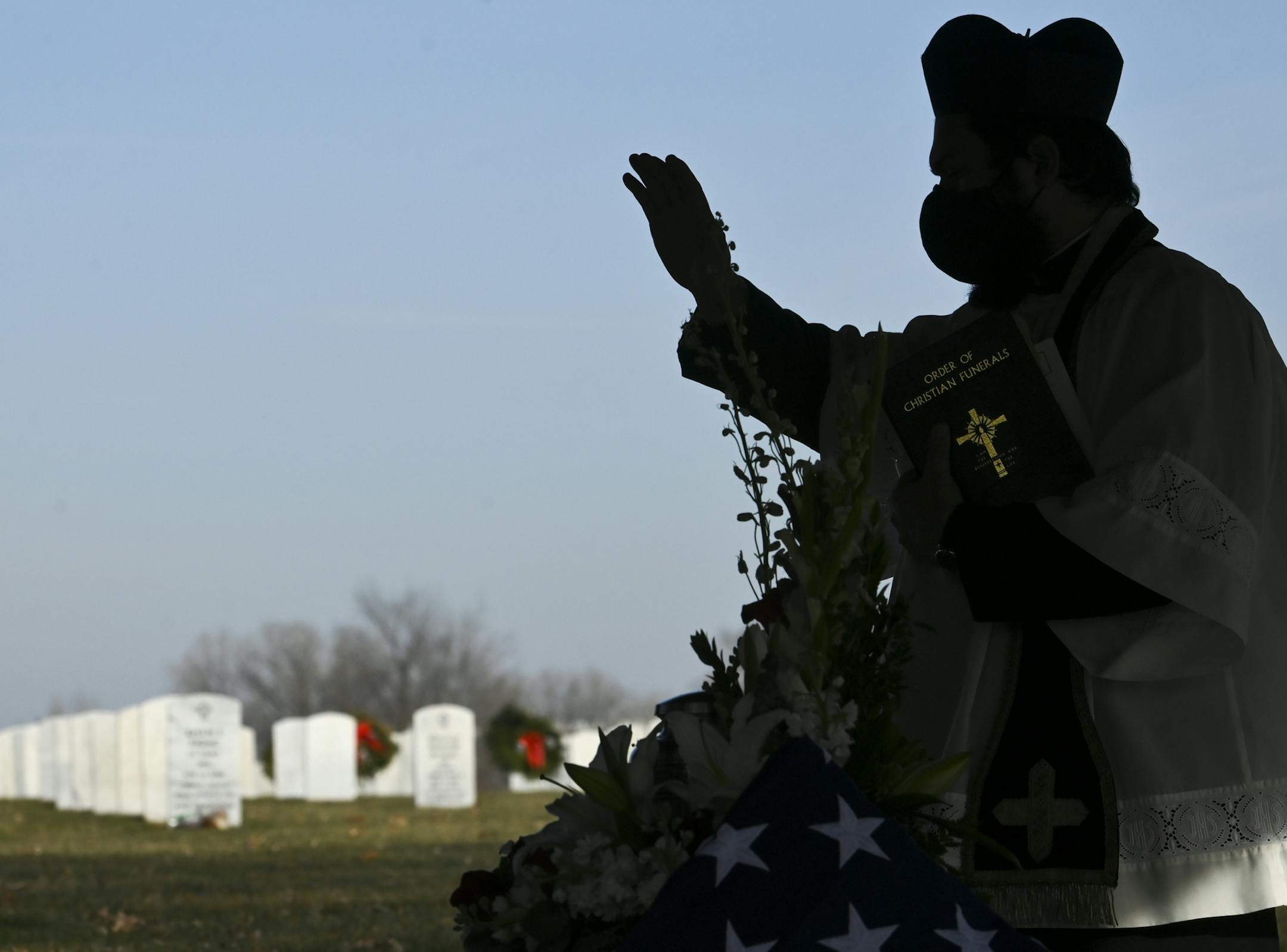
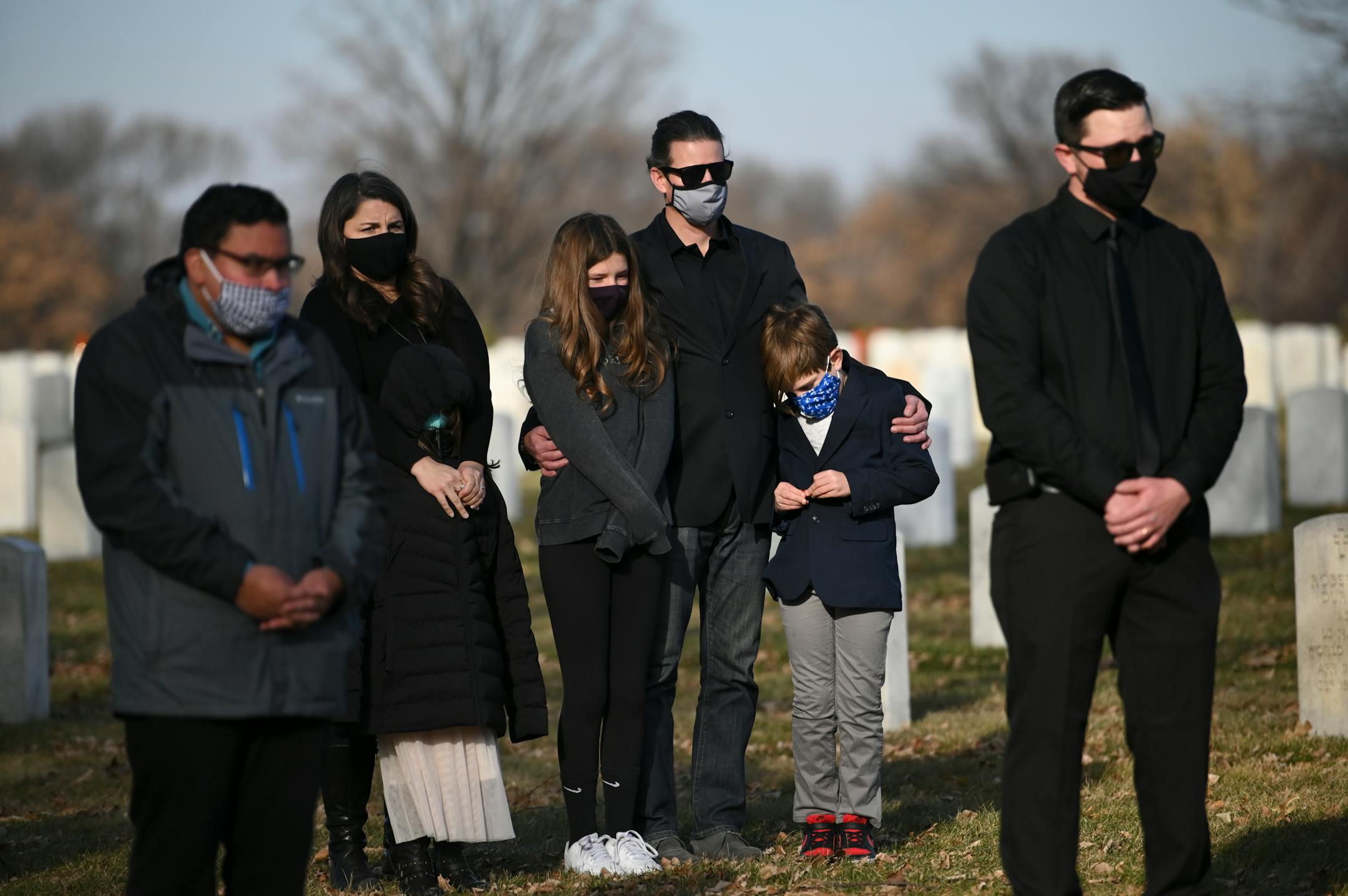
Funerals are being held in Minnesota, but in a much more constrained way than before the pandemic. Health Department rules restrict the number of people attending funerals to half a building's capacity, up to 250 people. Social distancing, hand sanitizing and masking requirements are now the norm.
At the same time, funeral directors, families and friends have been forced to reimagine end-of-life rituals. Livestreaming funerals, and archiving them digitally, have become commonplace.