

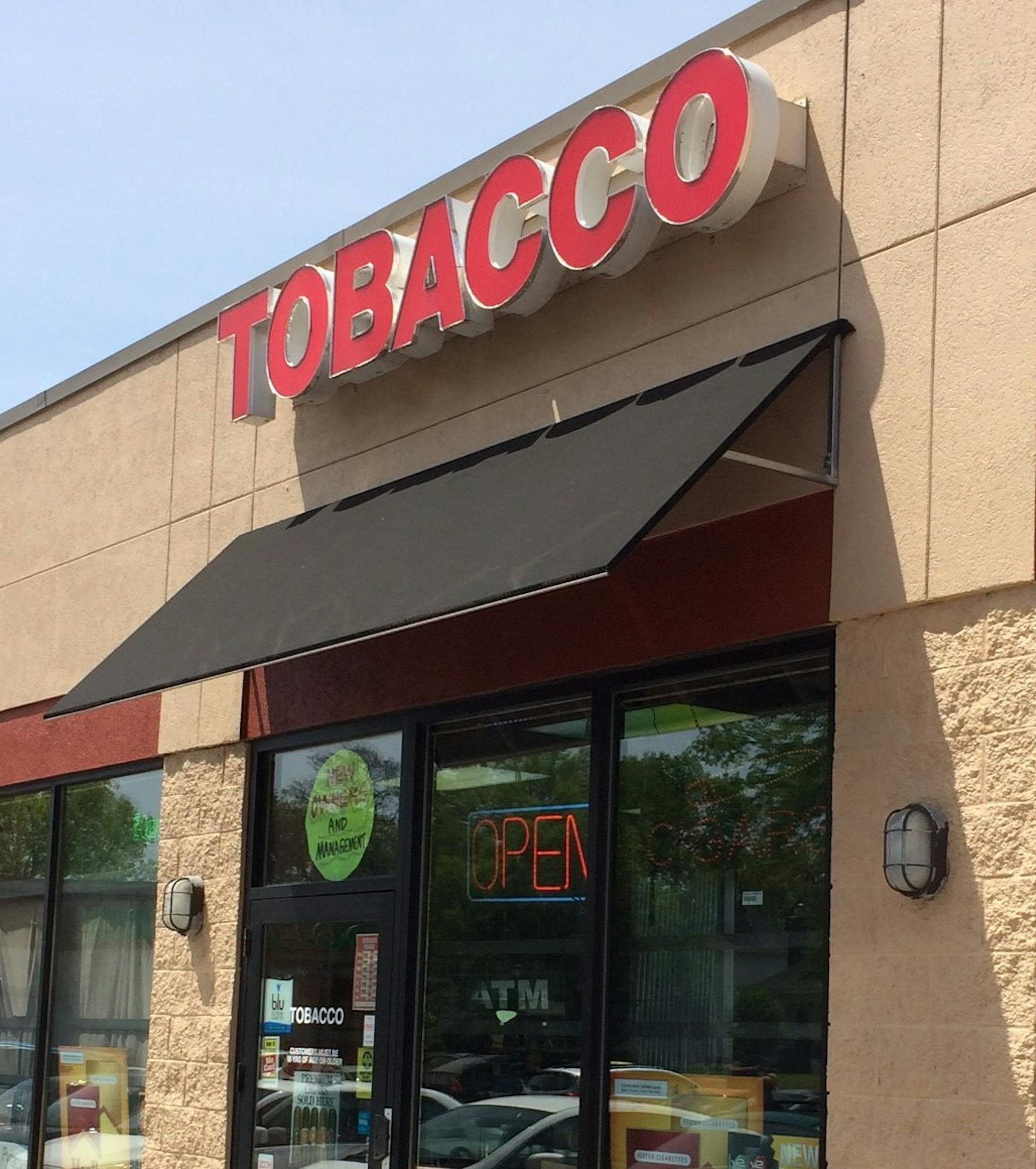
The strange journey of the $200 grand in the silver attaché case began when drug investigators raided a Minneapolis tobacco shop.
Since that November 2012 day, all charges have been dismissed against the store's clerk, Mokrane Rahim, and a Hennepin County district judge ordered the return of his seized property. But a year later, U.S. marshals are still baby-sitting the biggest haul from the investigation: $200,020 in cash, discovered by police in Rahim's New Brighton bedroom.
After the case failed in state court, U.S. Attorney Andrew Luger filed a lawsuit against the money so it could be forfeited under federal law.
"It is possible to have a civil case, a forfeiture action, without a criminal case attached to it," said Tasha Terry, a spokeswoman for Luger. "As far as the specifics on this case, we are moving forward with this forfeiture." Terry would not say anything else.
In fact, no one who knows about this case wants to say much about it. I could not reach Rahim, and his lawyer declined to comment.
But records filed in state and federal court tell a story of how far law enforcement can go to keep what it considers ill-gotten treasure. Even though the state of Minnesota raised the bar by requiring a criminal conviction or admission of guilt for forfeitures, the feds can still go after property with no criminal charges at all.
The case started with a tip to Minneapolis police in March 2012. Someone was selling synthetic marijuana out of 46th & Nicollet Tobacco, a storefront shop in a little strip mall. In November of that year, an undercover officer made four buys of 420! Cubed, otherwise known as K2 or Spice. They're brand names for XLR11, one of the growing assortment of noxious products concocted by chemists trying to keep a step ahead of the Drug Enforcement Administration (DEA).
At the time, however, XLR11 wasn't explicitly listed as an illegal narcotic by the DEA. More on that later.


