

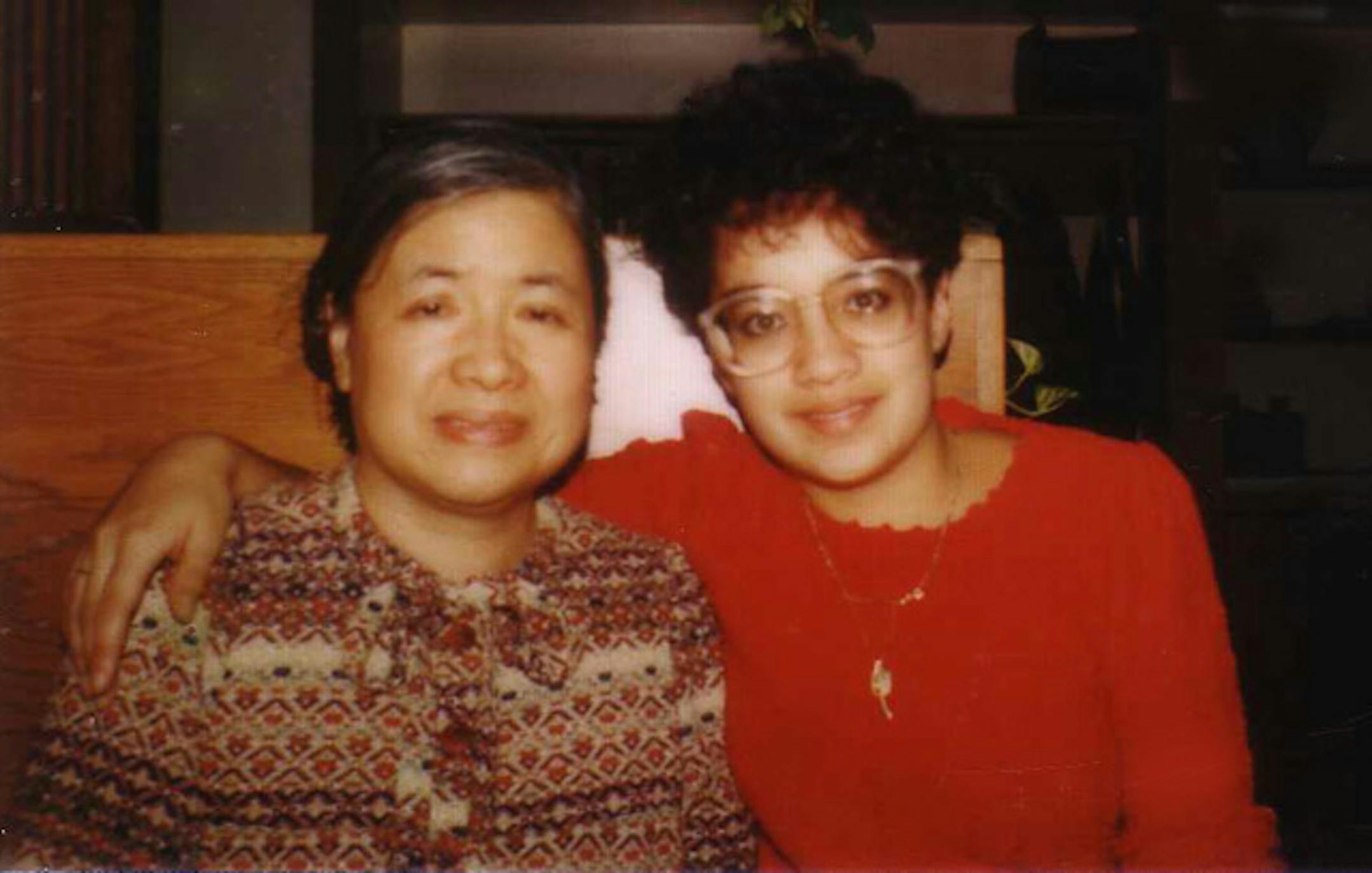
When Fuji Ya opened in meat-and-potatoes downtown Minneapolis in December 1959, the city's first Japanese restaurant must have seemed wildly exotic. By the late 1960s, owner Reiko Weston moved her business to a derelict stretch of the Mississippi riverfront -- proximity to water and a bridge were Japanese good-luck signs -- and in the process made an indelible mark on the local restaurant scene. Weston's daughter Carol Hanson, co-owner of the reincarnated Fuji Ya, looks back at her family's half-century of hospitality. (The restaurant name started out with a hyphen that was later dropped.)
Q Do you have any memories of the first Fuji Ya at 9th and LaSalle?
A I was born in 1961, so I don't, no. I've always said that the restaurant was my mom's first baby, but I was her first child. Mom and Dad divorced when I was 6 or 7, and as kids [Hanson's brother Michael is two years younger], we didn't see much of her. If we wanted to see her, we went to the restaurant. When I got older -- by that time, the restaurant had moved to the river -- my memories are about working, all the time. That's something my kids don't know anything about. To our children, going into the restaurant means, "Hey, let's eat." They think it's fun. I worked a lot. I started as a busboy and a dishwasher, and I worked my way up.
Q Did your parents ever tell you how they met?
A I'm told it was in Gen. MacArthur's office. My father was [an American] soldier and my mother was a secretary. She spoke English. They got married in 1954, and they came here in 1956. Before the war, my mom had an easy life. She was the daughter of an admiral; she had tutors and maids. After the war, she learned what it meant to starve. They had nothing. Right up to the day she died, she would hoard corned beef or canned ham in the basement. I asked her why, and she said, "Because I never want you to know what it means to starve."
Q No one in your family had food service in their backgrounds, so why a restaurant?
A My mom and dad needed to find something for my grandma and grandpa to do. Mom was at the University of Minnesota, getting her degree in math and psychology, and Dad worked for a computer company. But the restaurant -- even as a 25-seater in the basement, next to the old YMCA -- got so big so fast that Mom had to quit school because they needed the help. My grandfather would seat people, and he would make little origami animals for the children.
About 15 years ago I got a box in the mail. It was from an old customer, and it contained two of my grandfather's little origami animals. That was nice. He had been an admiral in the Japanese Navy, a high muckety-muck. At the restaurant he would also do the janitor's work.


