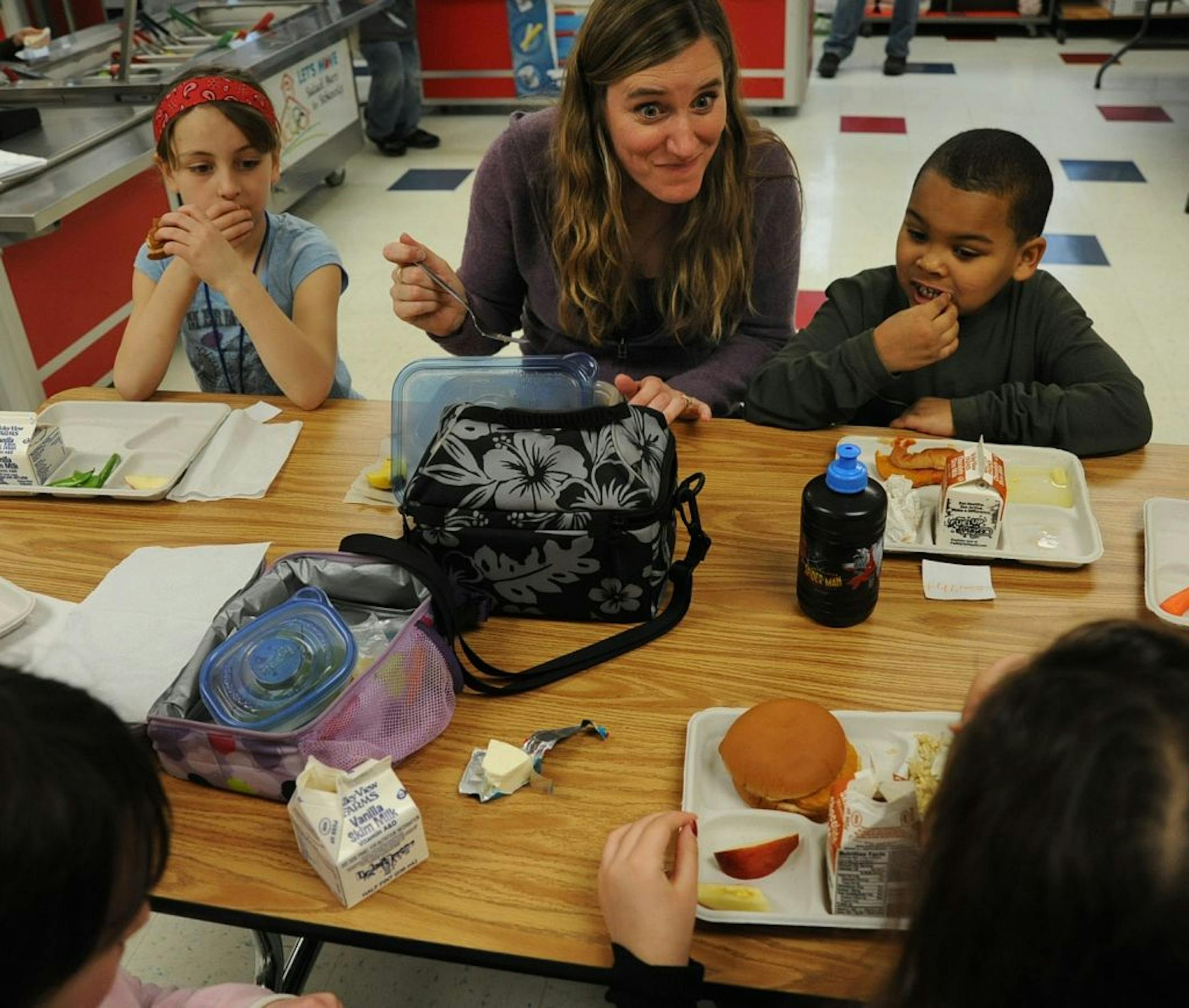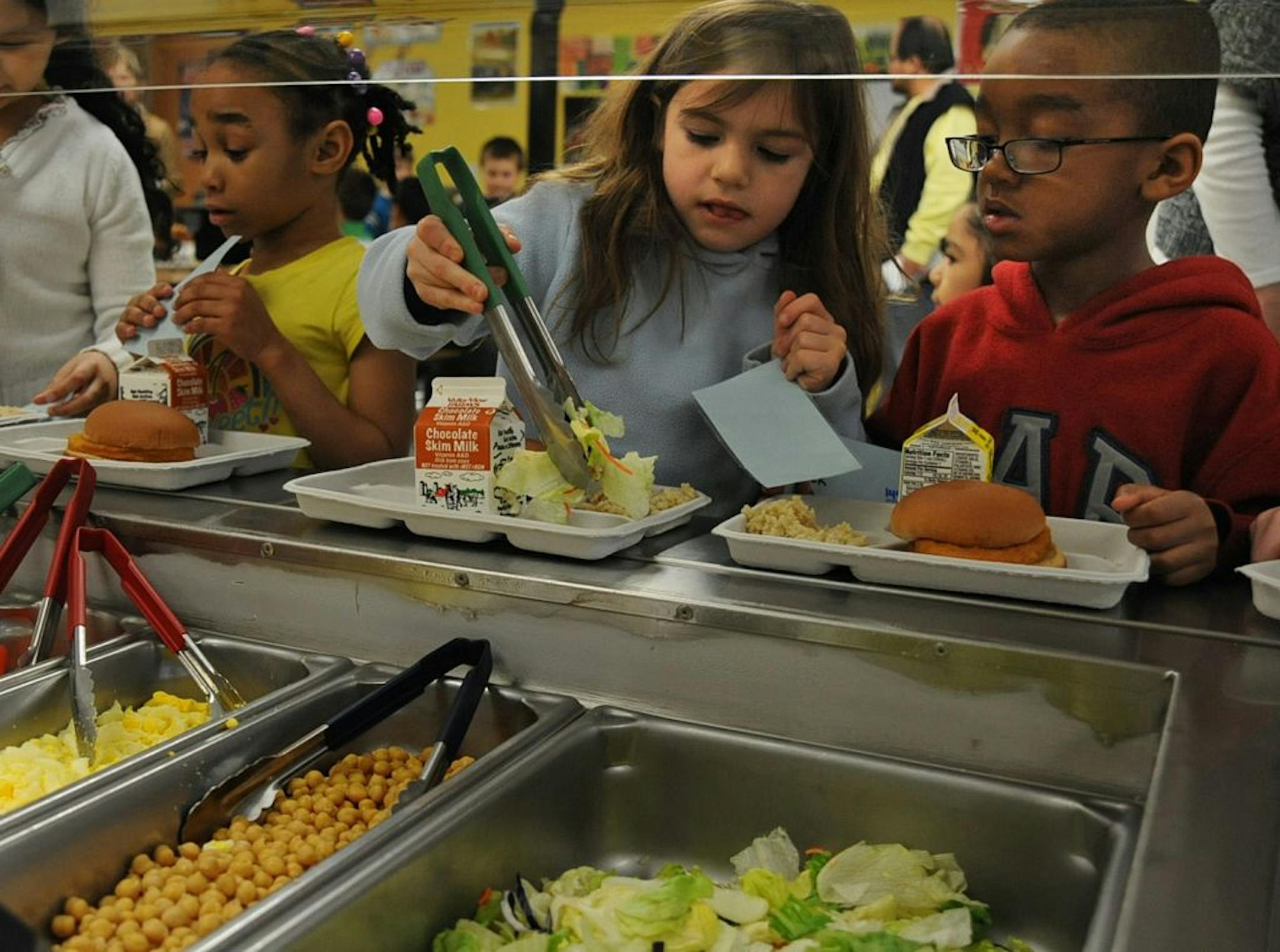
The lunch crowd arrives in noisy waves each day, talking about the day's events while grabbing some whole wheat pasta and maybe a scoop of brown rice before heading to the well-stocked salad bar.
Except for their diminutive size (and the chocolate milk that often accompanies their meals), one would never know from their menu that the food connoisseurs in question are elementary school students in the West St. Paul school district and not diners at the Good Earth.
Like many across the country, the school district is looking for ways to improve child nutrition. Unlike most districts, West St. Paul-Mendota Heights-Eagan has decided installing salad bars in the elementary schools is one way to go.
"The kids love it," said Kim Zellmer, a first-grade teacher at Garlough Environmental Magnet School, which also grows its own organic vegetables. "They make good choices."
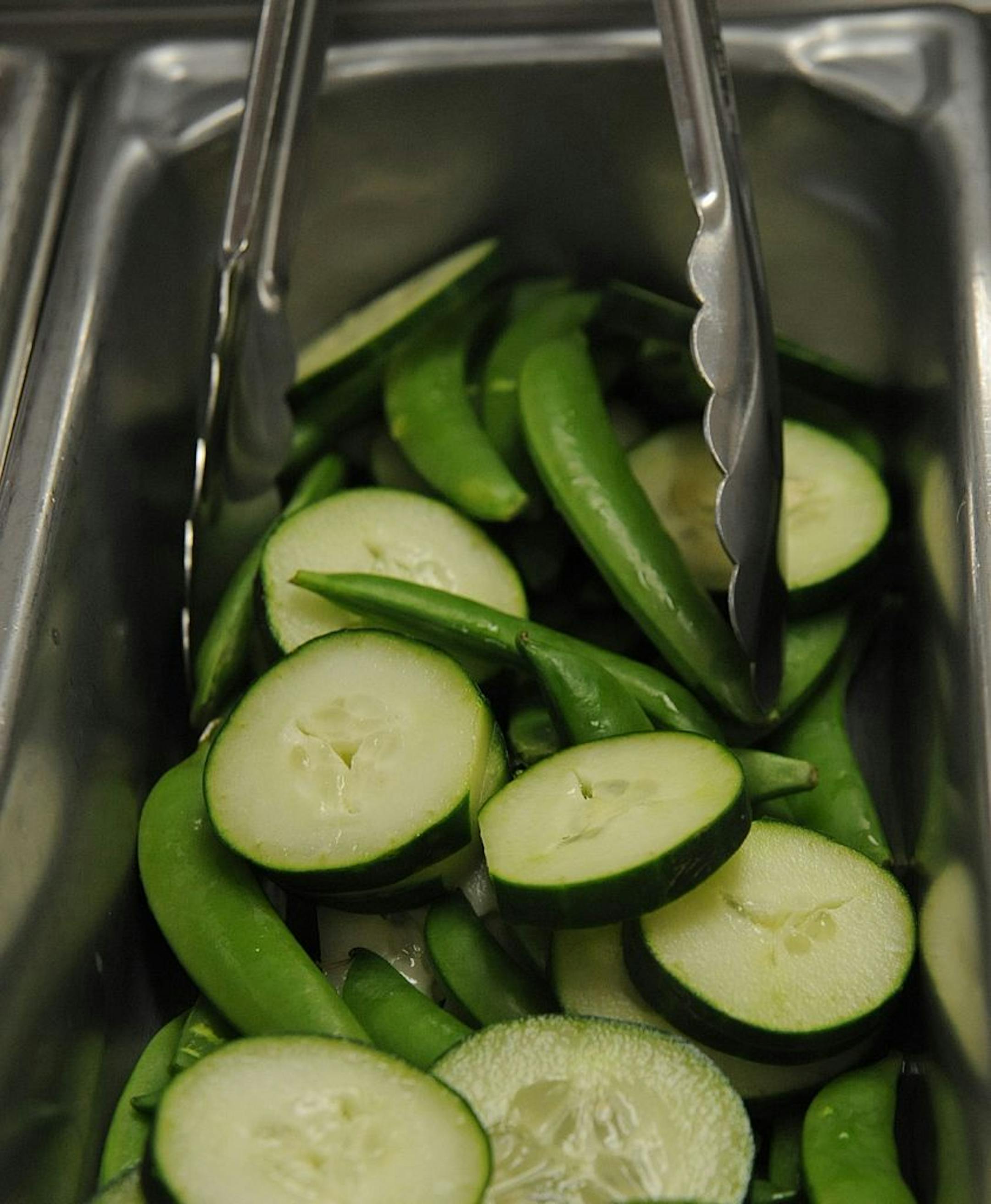
They also often go back for seconds. The kids get unlimited access to the daily salad bar, which includes such things as lettuce, garbanzo beans, carrots, jicama, peppers and fresh fruit.
"The more we can do to reinforce healthy habits, the more successful our students will be," said Susan Brott, spokeswoman for the district. "It is hard to ignore the many reports about childhood obesity in our country, and we must recognize that schools play a part in ensuring that we provide safe and healthy learning environments for the kids."
West St. Paul began putting in the salad bars in the late fall as part of a federal grant, one of only five given out across the country as part of the "Let's Move Salad Bars to Schools" initiative.
While West St. Paul, with 4,500 students, will focus on elementary schools, the Red Lake School District in northern Minnesota will study how well the salad bars work in middle and high schools.