

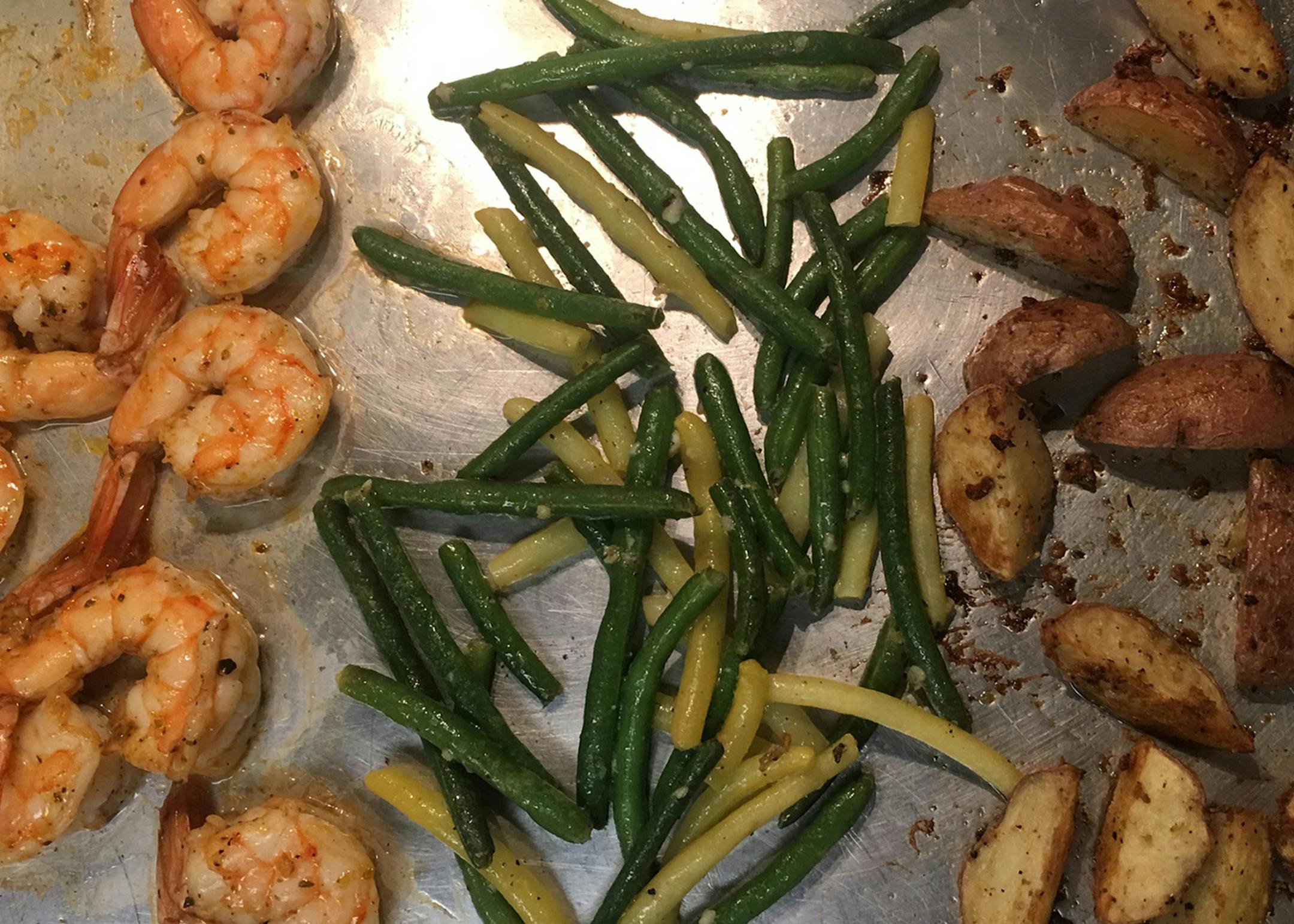
You can get just about any fresh vegetable any time of the year, but quality can be an issue. During the winter months, fresh produce sometimes doesn't look too inviting.
Where do you turn? Look to the frozen-food aisle, where you'll find vegetables that can be just as nutritious as the fresh variety.
Think about it. Most of those frozen vegetables were picked at their peak moment of ripeness and frozen quickly. It's like buying frozen salmon and other fish. Chances are that the fish was frozen soon after it was caught.
Because vegetables are frozen soon after they're picked, they retain their nutrients. It's when the vegetables are cooked in water that nutrients can get left behind in the water and lost. The exception is when vegetables are cooked in dishes such as soups and stews. Nutrients leach into the liquid they're cooked in, and all of that liquid is consumed.
Erin Dolinski, a registered dietitian in Royal Oak, Mich., says frozen and canned vegetables often get a bad rap.
"With frozen vegetables, these are convenient, low in cost and an easy way to get your recommended vegetable servings in per day," Dolinski says. "They are picked fresh at peak of ripeness and frozen within 24 hours to maintain nutrition content."
According to the Centers for Disease Control and Prevention's State Indicator Report on Fruits and Vegetables, only one in 10 U.S. adults eats the recommended amounts of fruits and vegetables. The recommended amount of vegetables is two or three cups daily, Dolinksi says.
There's nothing wrong with fresh vegetables, Dolinski says, but you need to consider how long they've been at the grocery store and how long you plan to store them in your refrigerator.


