Are you that guy at brunch who CAN'T. STOP. playing Candy Crush? Or have you ever reached for another potato chip, only to realize that you already ate the entire bag in one sitting?
Worst of all, do you acknowledge you have a bad habit — but can't seem to get rid of it?
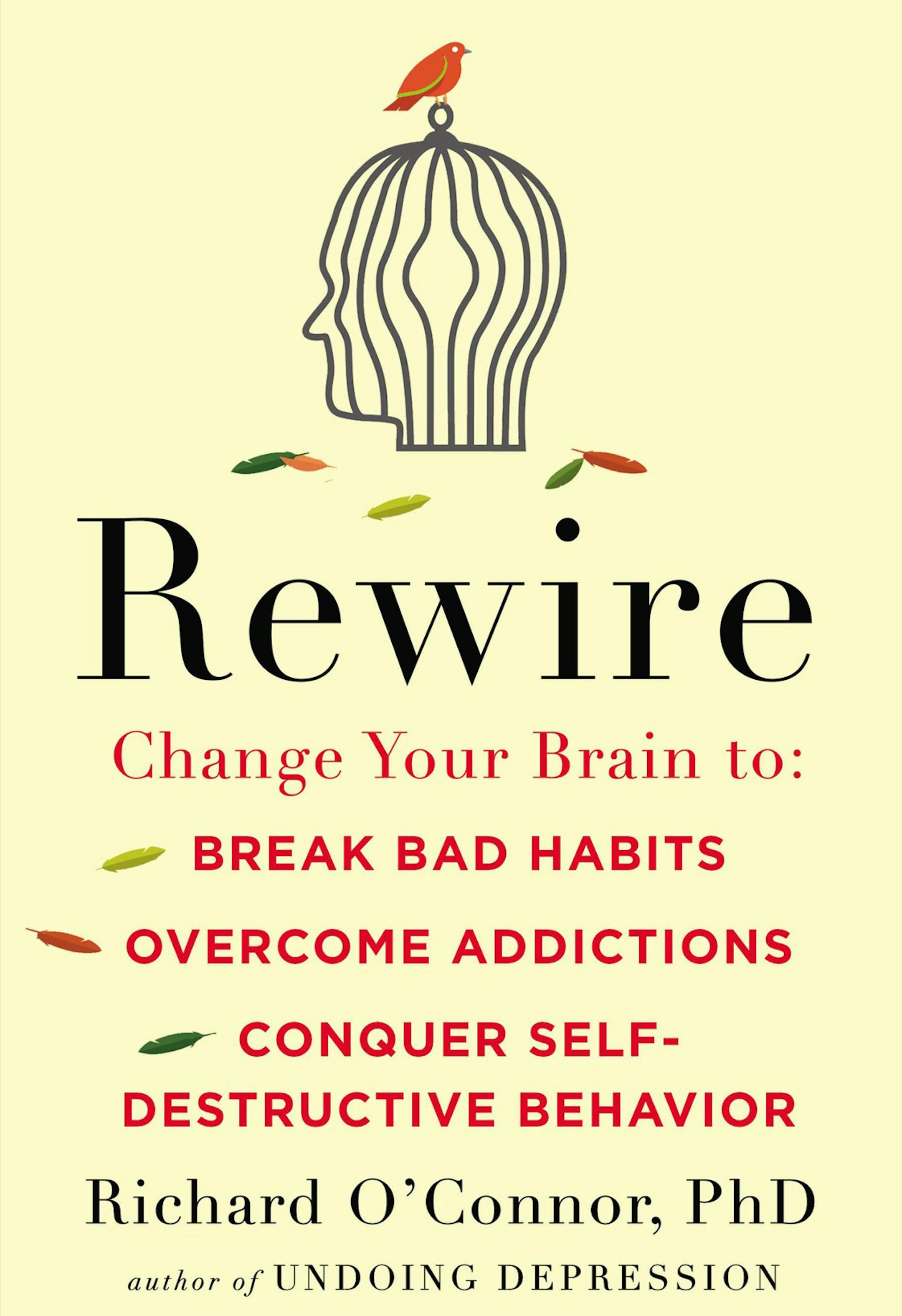
"Why we keep doing things that hurt us is a fascinating question, because normally we learn from experience," said Richard O'Connor, author of "Rewire: Change Your Brain to Break Bad Habits, Overcome Addictions, Conquer Self-Destructive Behavior" (Hudson Street Press). "The automatic, nonthinking brain knows how to drive and type and breathe. That part of the brain really does learn from experience so we don't repeat the same mistakes twice, except in certain circumstances, like when we're not paying attention or when we have some hidden motive that's keeping us in this self-destructive habit."
In his book, O'Connor draws on the idea that we have "two brains," a conscious, decisionmaking one and an automatic one that "quickly gobbles up the potato chip while the conscious self is distracted," he writes in the book. So in order to kick a bad habit, whether it's overeating, incessantly playing video games or chronic procrastinating, you have to consciously coach your autopilot self through it, which isn't always easy.
Here are O'Connor's tips to getting rid of pesky bad habits. Remember, degrees of self-destructive behavior vary, as does the time, effort and focus it takes to change that behavior.
Practice willpower. "People believe they lack willpower, but willpower is not something you either have or don't, like blue eyes," O'Connor writes in his book. It's a skill, he said, that can be developed with practice by telling yourself no, removing yourself from the temptation or reminding yourself that there's a bigger reward if you don't give in. "These kinds of bargains contribute to training the brain so it becomes more easy," he said.
Try replacement therapy. "The real secret is not to try to break a bad habit but to learn to do something else instead," O'Connor said. "Our brains are wired to keep biting nails or procrastinating. So we're used to it. It becomes the default mode. Instead of going on a battle against procrastination, you should reframe it." However, we can easily go from one bad habit to another, so the trick is to focus on an activity you feel good about.
Be realistic when setting goals. "Your standards are very important, and if they're too high, you can give up before you start," he said. There are two types of goals you can set: