

LONDON — The United States wants to tax $11.2 billion worth of EU goods — from airplanes to Gouda cheese — in what some experts say marks another attempt by the Trump administration to use tariffs to reshape global trade in its favor.
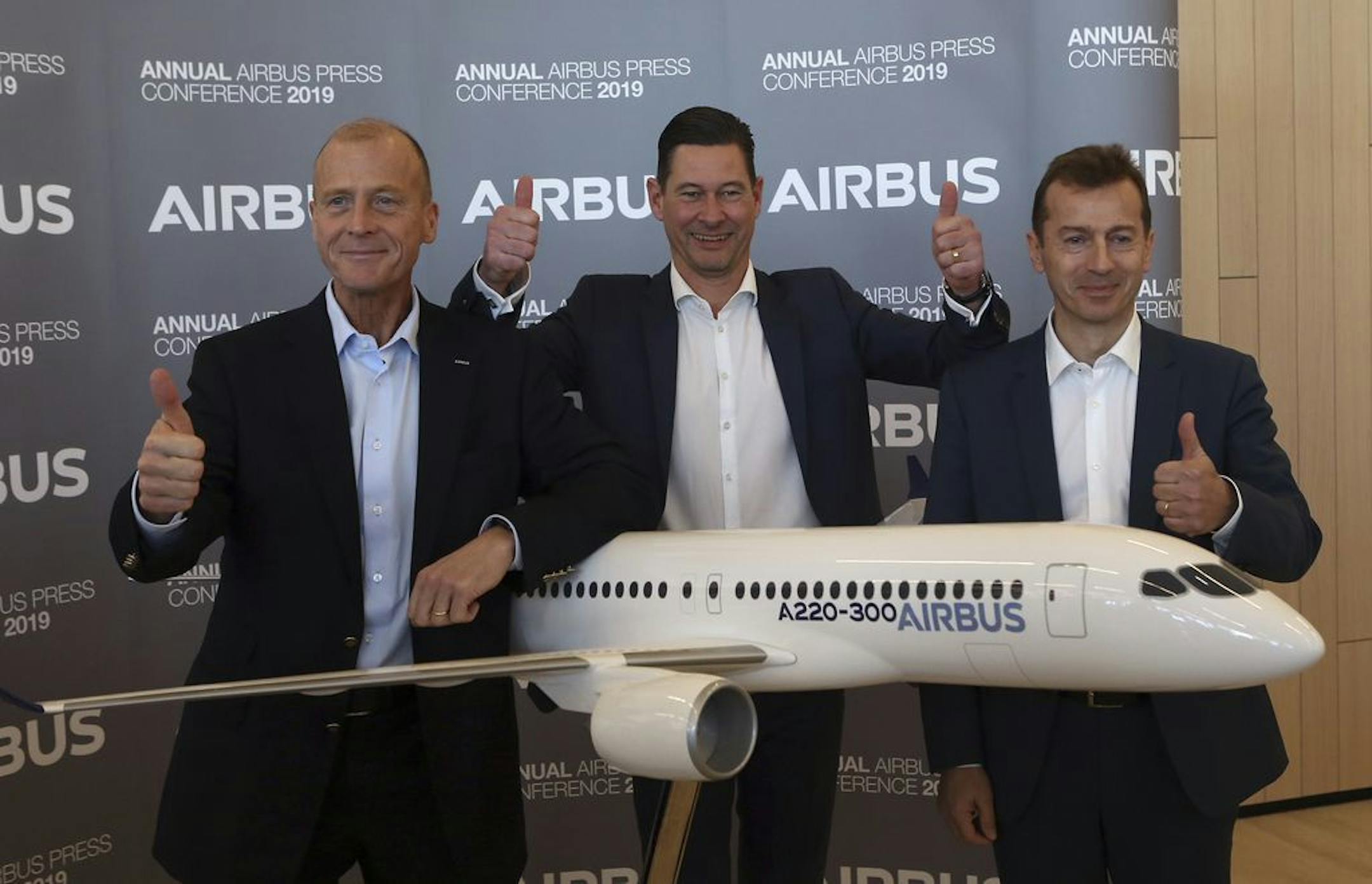
The World Trade Organization ruled last year that the European Union provided illegal subsidies to plane maker Airbus.
The U.S. tariff wish-list, released late Monday, reflects the Trump administration's calculation of the harm the EU subsidies have inflicted on the United States — and specifically to Boeing. A WTO arbitrator is expected to rule this summer on how much relief the U.S. is actually entitled to.
Trade analysts say it isn't unusual for countries to present a tariff target list before the WTO arbitrator sets actual parameters. In the U.S. case, it allows the Office of the U.S. Trade Representative to collect public comments on the potential tariffs. And it lets the EU know which European industries might be hit and perhaps encourage a settlement.
Jennifer Hillman, a former U.S. trade official who also served on the WTO's appellate body, said the U.S. government typically would announce the target list quietly, perhaps through a notice in the Federal Register. Instead, she noted, the Trump administration declared its intentions "with fanfare and hoo-ha" in a press release designed to attract public attention.
"You're scaring a lot of importers" who see the products they bring into the United States on the target list, said Hillman, who now teaches law at Georgetown University. "You're creating chaos in the market."
Economists say the Trump team appears to want to use the ruling not merely to help Boeing but to heighten pressure on trading partners like Germany with which the U.S. has a trade deficit. In the end, more tariffs could further raise consumer prices in the United States and weigh on the global economy at a time when it's showing alarming signs of stress as the U.S. wages a broader trade war with China.
After the U.S. Trade Representative's office issued a list of EU products it wants to tax, President Donald Trump took to Twitter to make the case.


