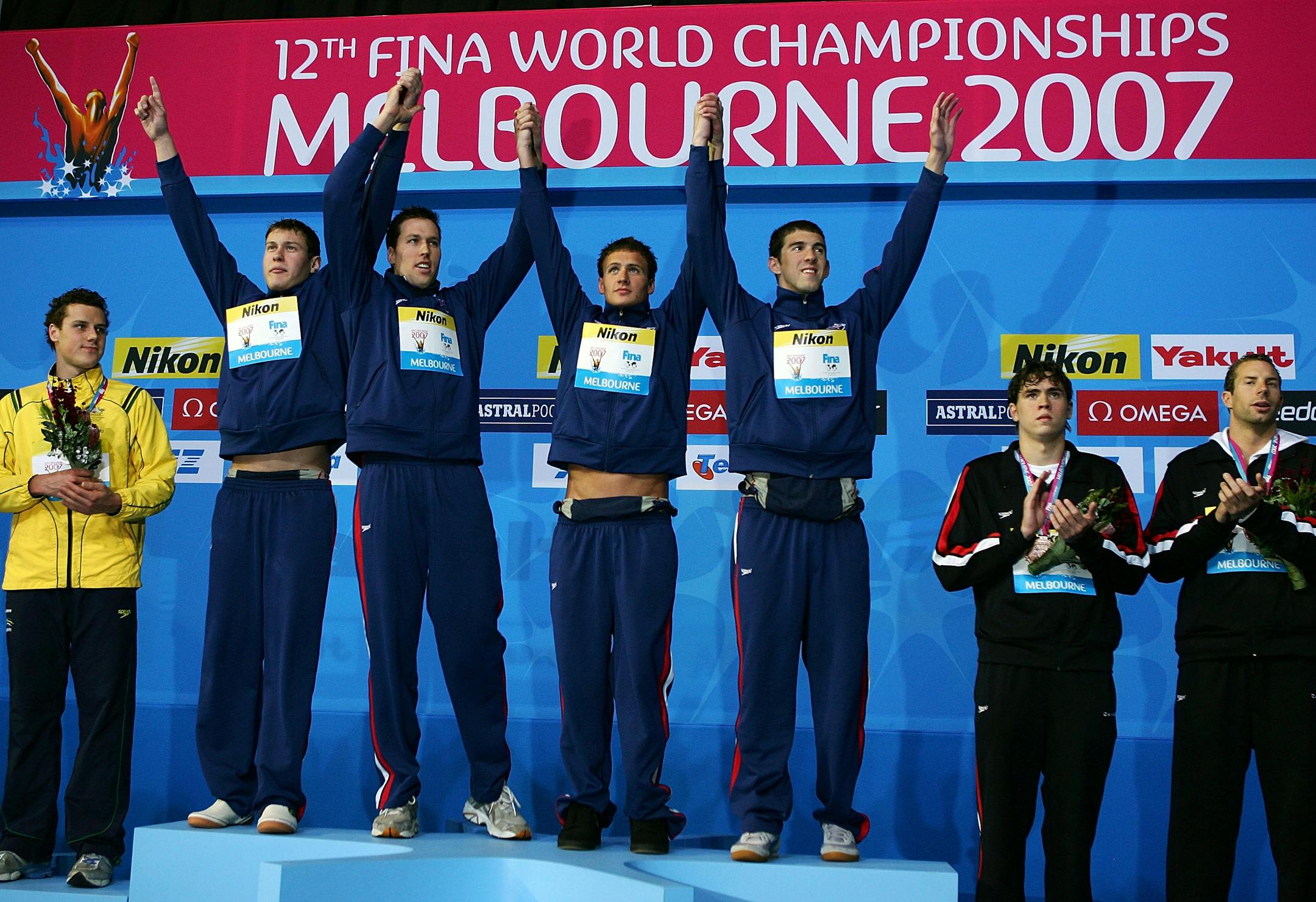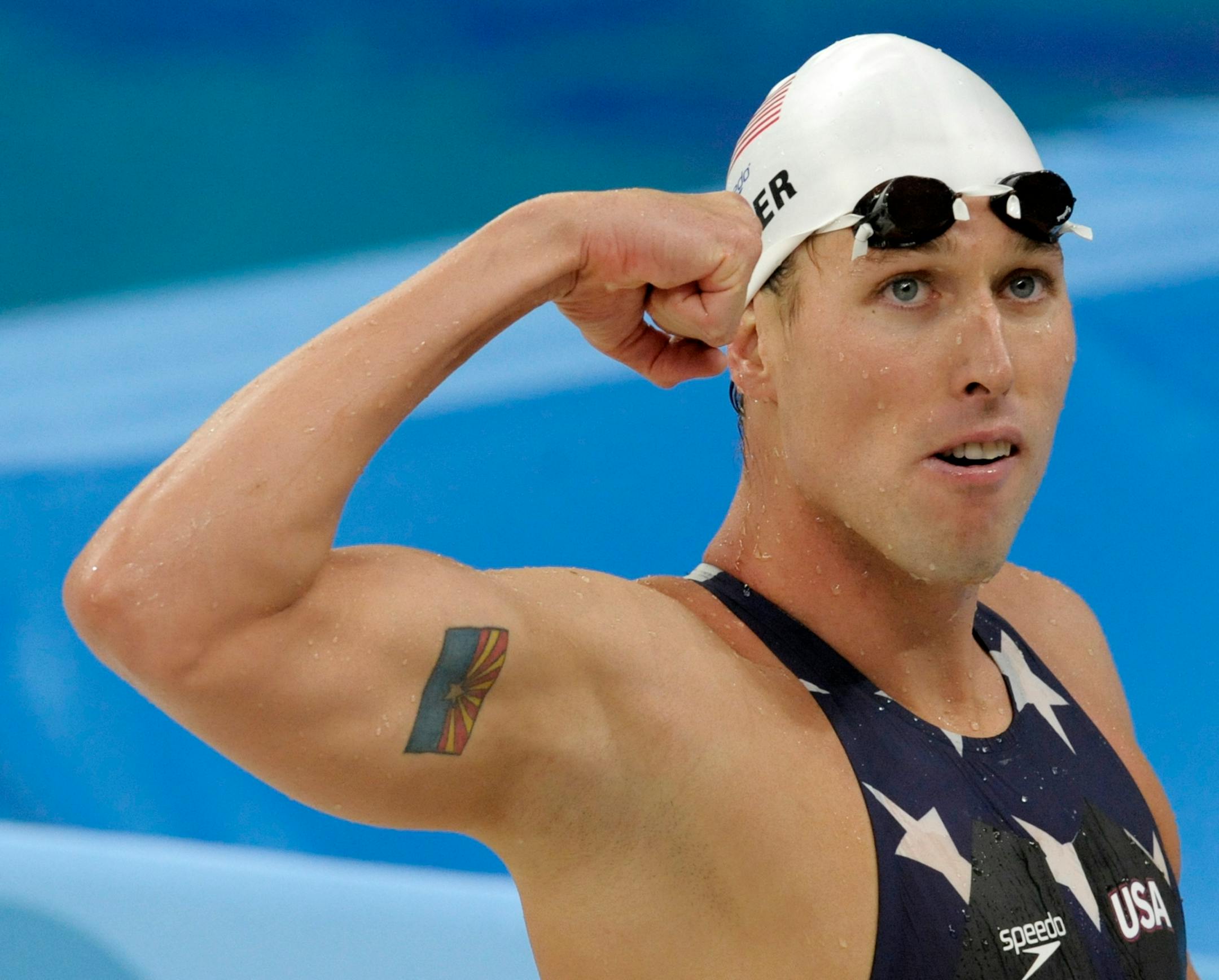
The flood of text messages, photos and videos swirling through the insular community of former Olympic swimmers left no doubt about the who, what and where: The towering figure in the videos and images, standing among the mob of rioters who had breached the U.S. Capitol and were pushing against police in the Rotunda, was unquestionably Klete Keller, a three-time Olympian and five-time medalist.
If his 6-foot-6 frame and familiar face, covered by a beard but not a mask, didn't give away Keller's identity to those who knew him, one chilling, telltale detail certainly did: the Team USA jacket he was wearing, with the U.S. Olympic team patch on the front left shoulder.
But in the aftermath of the Jan. 6 abortive insurrection at the Capitol — which resulted in five deaths and left Keller, along with others who participated, facing federal charges — the questions haunting his friends, former teammates and ex-coaches are the ones they have struggled to answer: How? And why?
How did Keller become so radicalized as to join thousands — including, according to media reports, members of white nationalist and extremist groups — in what some have characterized as an attempted overthrow of the U.S. government? Rioters smashed windows and doors, ransacked congressional offices and violently attacked U.S. Capitol Police officers, killing one of them.
And why, after working to turn his life around in recent years following a bottoming-out in 2014, would Keller risk it all in such a reckless way?
"That's what's so confounding. I just can't answer those," said Gary Hall Jr., a 10-time Olympic medalist who has known Keller since childhood and was his Olympic teammate in Sydney in 2000 and in Athens in 2004. "For him to throw everything away, I don't understand it. It's very, very troubling."
Keller, 38, was charged in U.S. District Court on Wednesday with three counts related to the Jan. 6 uprising at the Capitol, in which supporters of President Trump, who lost the 2020 election, smashed their way into the building and clashed with police in an attempt to disrupt the counting of electoral votes.
He was taken into custody Thursday in Colorado, where he lives, and made an initial court appearance there before being released on a personal recognizance bond. He did not respond to interview requests. If convicted of all three counts — violent entry, disorderly conduct and obstructing law enforcement — Keller could face up to 15½ years in prison.