

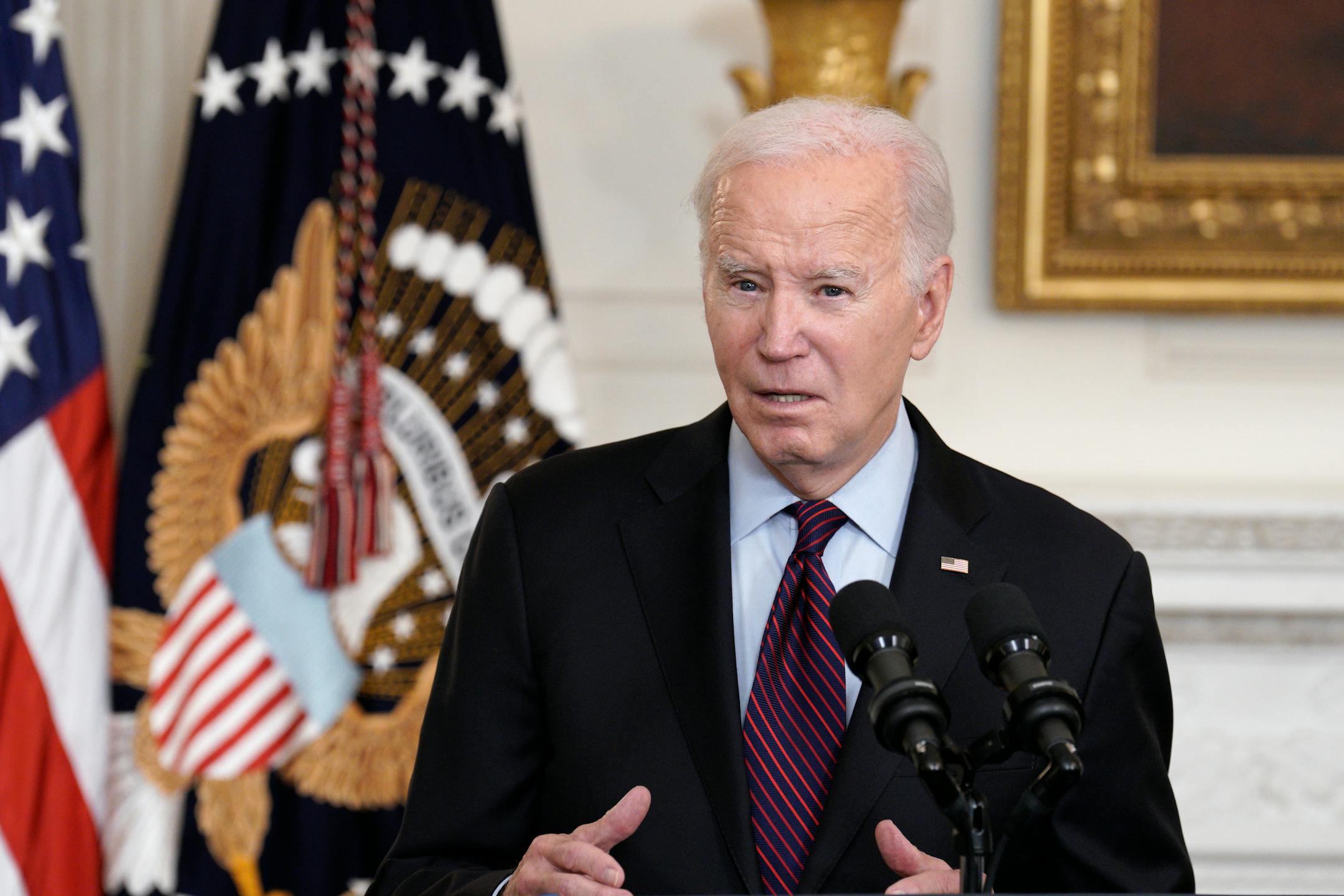
Frustrated with airlines that charge passengers steep fees to check bags and change flights, President Biden last fall embarked on a campaign to crack down on the practice - and force companies to show the full price of travel before people pay for their tickets.
Fliers rejoiced, flooding the Department of Transportation with letters urging it to adopt the policy. Airlines including American, Delta and United, however, did not seem so enthused.
It would be too difficult to disclose the charges more clearly, warned Doug Mullen, the deputy general counsel at Airlines for America, an industry lobbying group representing the three carriers. Testifying at a federal hearing in March, he said the new policy would only cause customers "confusion and frustration" - and, besides, the extra costs for bags and other services historically have resulted in "very few complaints."
"The department should not regulate in this area," Mullen added.
Since then, the Biden administration has broadened its efforts to expose or eliminate "junk fees" throughout the economy, touching off a groundswell of opposition from airlines, auto dealers, banks, credit card companies, cable giants, property owners and ticket sellers that hope to preserve their profits.
Behind the scenes, these corporations have fought vigorously to thwart even the most basic rules that would require them to be more transparent about hidden charges, according to a Washington Post review of federal lobbying records and hundreds of filings submitted to government agencies. The fees together may cost Americans at least $64 billion annually, according to a rough White House estimate, underscoring its efforts to deliver financial relief to families grappling with high prices.
Over the past year, federal regulators have tried to limit credit card late fees in a bid to protect the most cash-strapped borrowers from penalties they cannot easily pay. But the companies that issue those cards - and reaped over $14.5 billion in fees last year - have aggressively fought back, foreshadowing a lawsuit against the government to come.
Charter, Comcast and other cable giants similarly have warred with Washington through their lobbying groups, bucking federal efforts to ensure they present accurate, complete data about service charges. So have some casinos, insurers and the owners of large apartment buildings, which have fiercely fought new federal regulations that might punish them if they conceal their true prices.


