


When Jeanne Bain, who is 53, talks about the various friends she has who are much younger or older than she is, it's hard to keep track.
There's the 35-year-old woman from whom Bain has received "reverse mentoring" on a work project. The guy in his 20s she met while standing on a light-rail platform around midnight and wound up having over for dinner with her family. The priest who recently died at 88, whom Bain befriended in his early stages of Alzheimer's disease. The young musician who is contemplating a big career change and wanted to get Bain's views. The 86-year-old man who owned the drugstore where Bain worked as a teenager — when he was in hospice, she would stay with him on a regular basis.
Bain, who lives in Minneapolis, meets a lot of younger and older people through her work, having once been a high-school speech coach and currently providing services in a senior residence. She hangs onto those friendships. Now she has "hundreds — seriously, hundreds" of friends, "not just on Facebook, in real life" who happen to be from different generations than hers. And that's the way she likes it.
"I don't have this preconceived notion of who you are based on your age," she said.
Wait, what? Aren't the media full of stories about members of different generations clashing over their inescapable differences? Aren't older and younger people drastically incompatible in their behavior and their entire worldviews?
You're probably familiar with the stereotypes. Baby boomers, the post-World War II generation born between 1946 and 1964, are selfish and stuck in their ways and can barely operate a mobile phone. Millennials, born during the last couple of decades of the 20th century, are lazy and entitled and would rather look at their phone than talk to a person.
In between is Gen X, whose stereotypes are a little fuzzier — detached and skeptical slackers, maybe? ("America's neglected 'middle child,'" a Pew Research article called them.)
Media stories about generational traits are often presented with good intentions — for example, tips on how people from different generations can get along on the job. And sure, people are affected by major events they've lived through: a thriving economy vs. a recession. Or by growing up making calls, listening to music and watching movies on computers small enough to carry in their pockets, vs. a childhood of rotary-dial landlines, vinyl records and three-channel broadcast TV. But describing millions based on their having been born at some point in a two-decade span hardly seems more reliable than astrology.
![Martin Weinstein recently made Leslie Hammons his partner in his long running art gallery and changed the name to Weinstein Hammons Gallery to include her. They posed for a picture in the gallery on Wednesday, January 24, 2018 in Minneapolis, Minn. There was a Robert Mapplethorpe exhibit in the Gallery. ] RENEE JONES SCHNEIDER • renee.jones@startribune.com](https://arc.stimg.co/startribunemedia/4RV6LPKL2DKSFBQLKVXCU4FSAI.jpg?&w=1080)
![Cora McCorvey, left, and Cara Deans stood for a portrait Wednesday afternoon. ] AARON LAVINSKY ï aaron.lavinsky@startribune.com The Good Life cover story on various types of inter-generational friendships. Cora McCorvey is Cara Deanes' mentor. Cora retired last year as Executive Director/CEO of the Minneapolis Public Housing Authority. Cara is a development director at Power of People Consulting Group. We photograph the two Wednesday, Jan. 24, 2018 at the Cora McCorvey Health and Wellness C](https://arc.stimg.co/startribunemedia/RIESJGS7245BQN7I7QMGILLF3A.jpg?&w=1080)
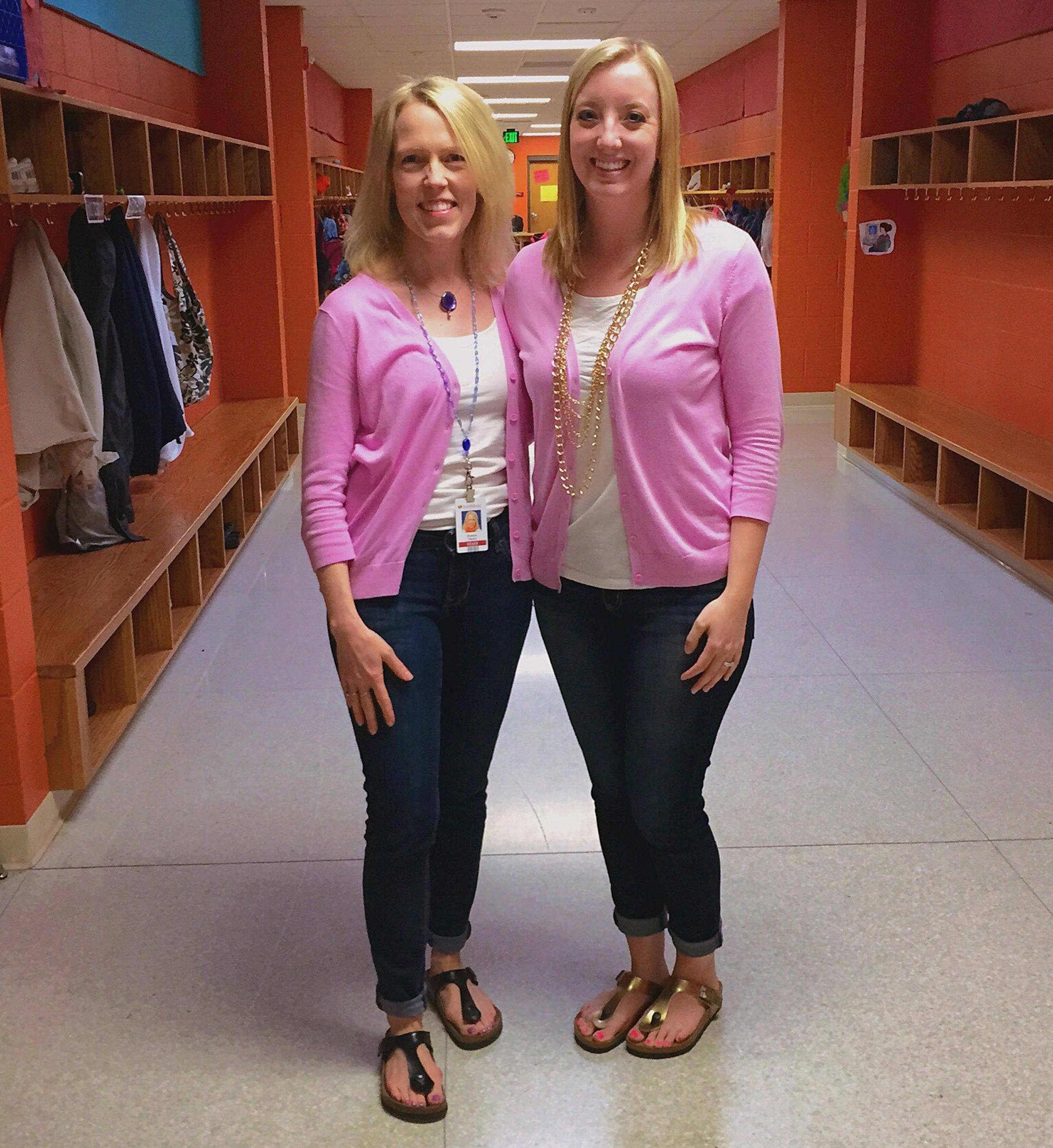

![Local authors Kit Naylor, left, and Faith Sullivan met at a book signing 27 years ago and became best of friends since. "Faith has been a really wonderful mentor to me," says Naylor who describes Sullivan as a mother figure. Sullivan describes Naylor as a promoter of writers. "She's an author's best friend, " she says. The intergenerational friends were photographed at the Washburn Library Friday, Jan. 19, 2018, in Minneapolis, MN.] DAVID JOLES � david.joles@startribune.com Kit Naylor and Faith](https://arc.stimg.co/startribunemedia/6Z333R7XM5J3JU5NOTKCKOILDA.jpg?&w=1080)


