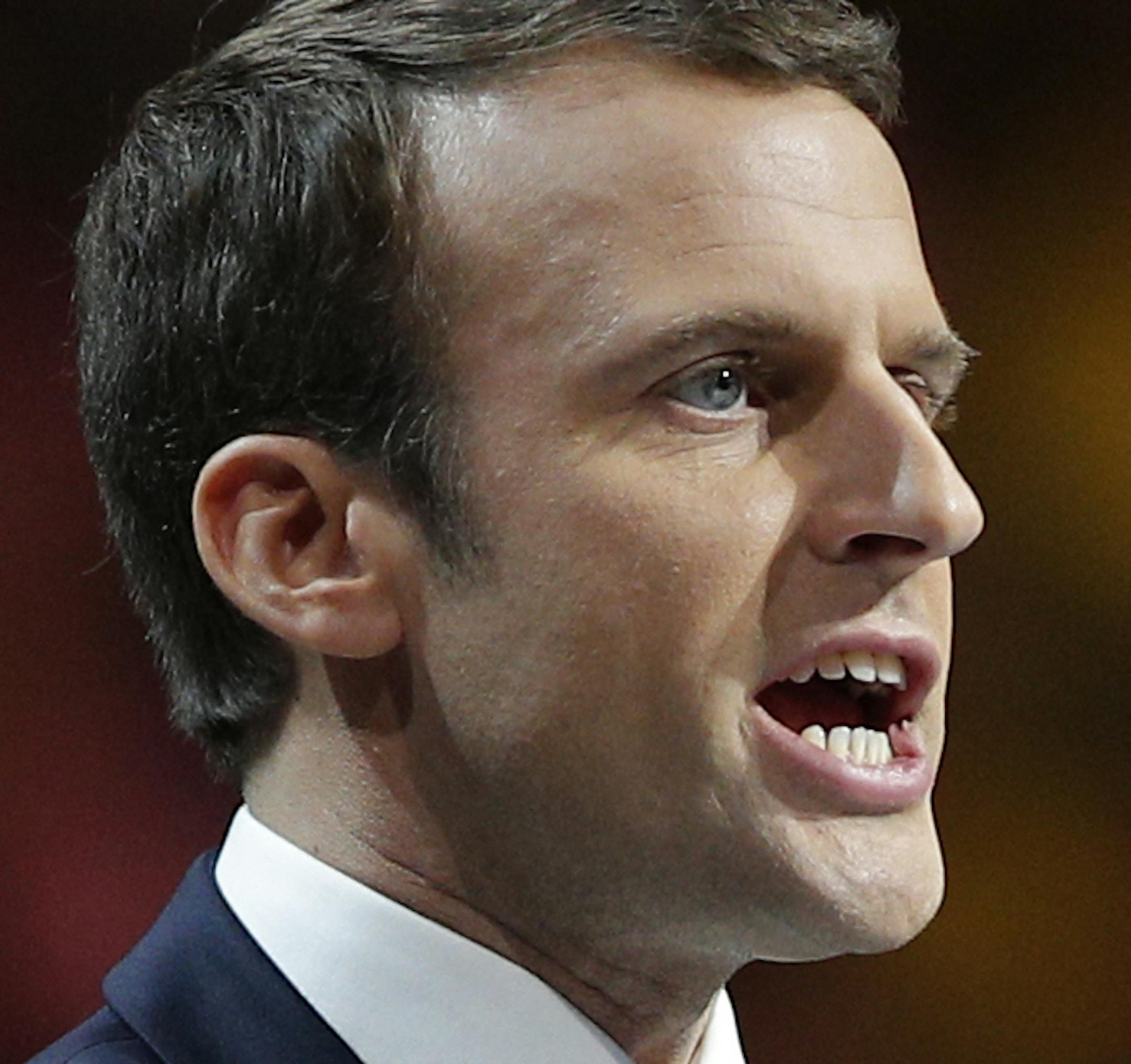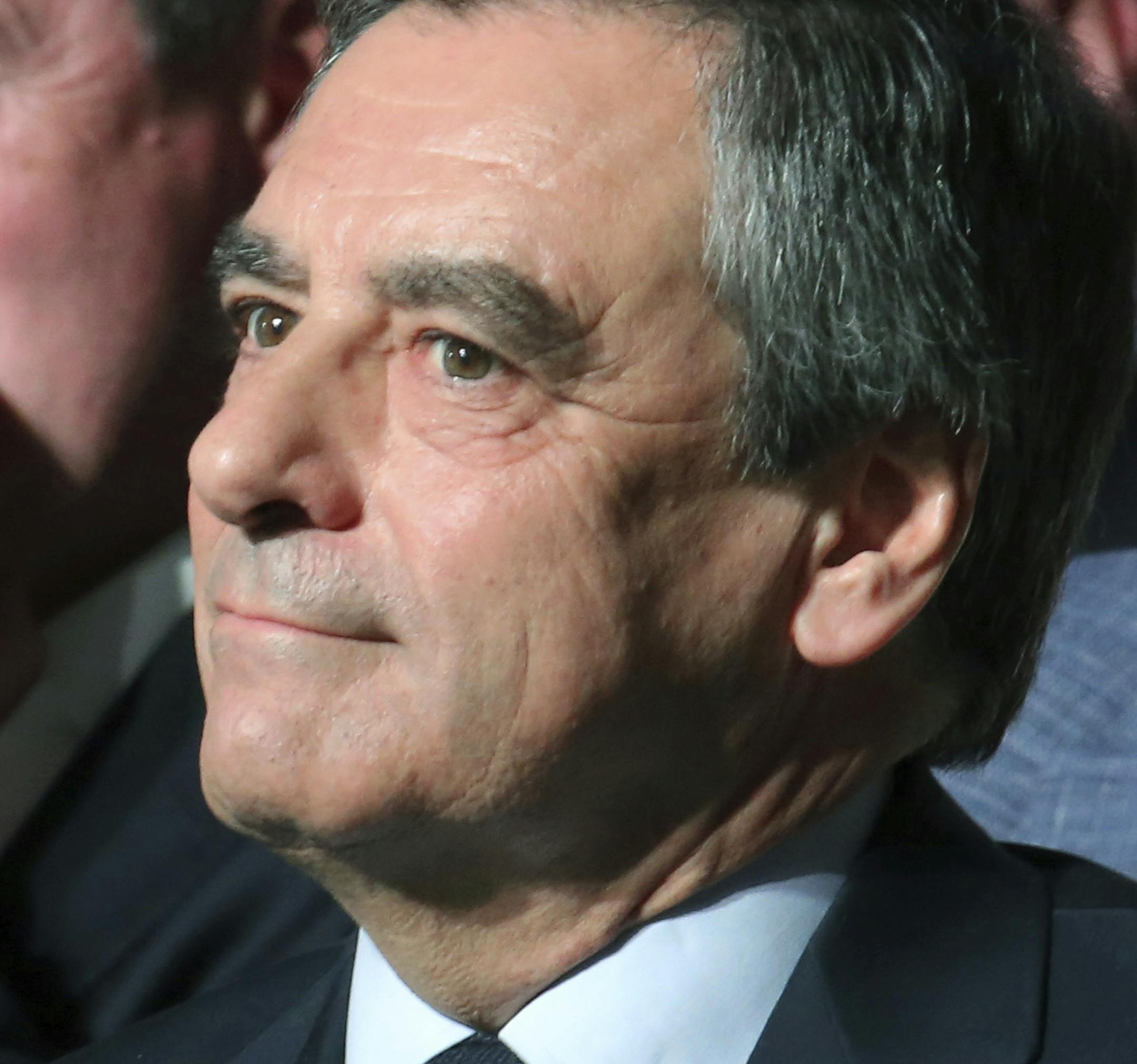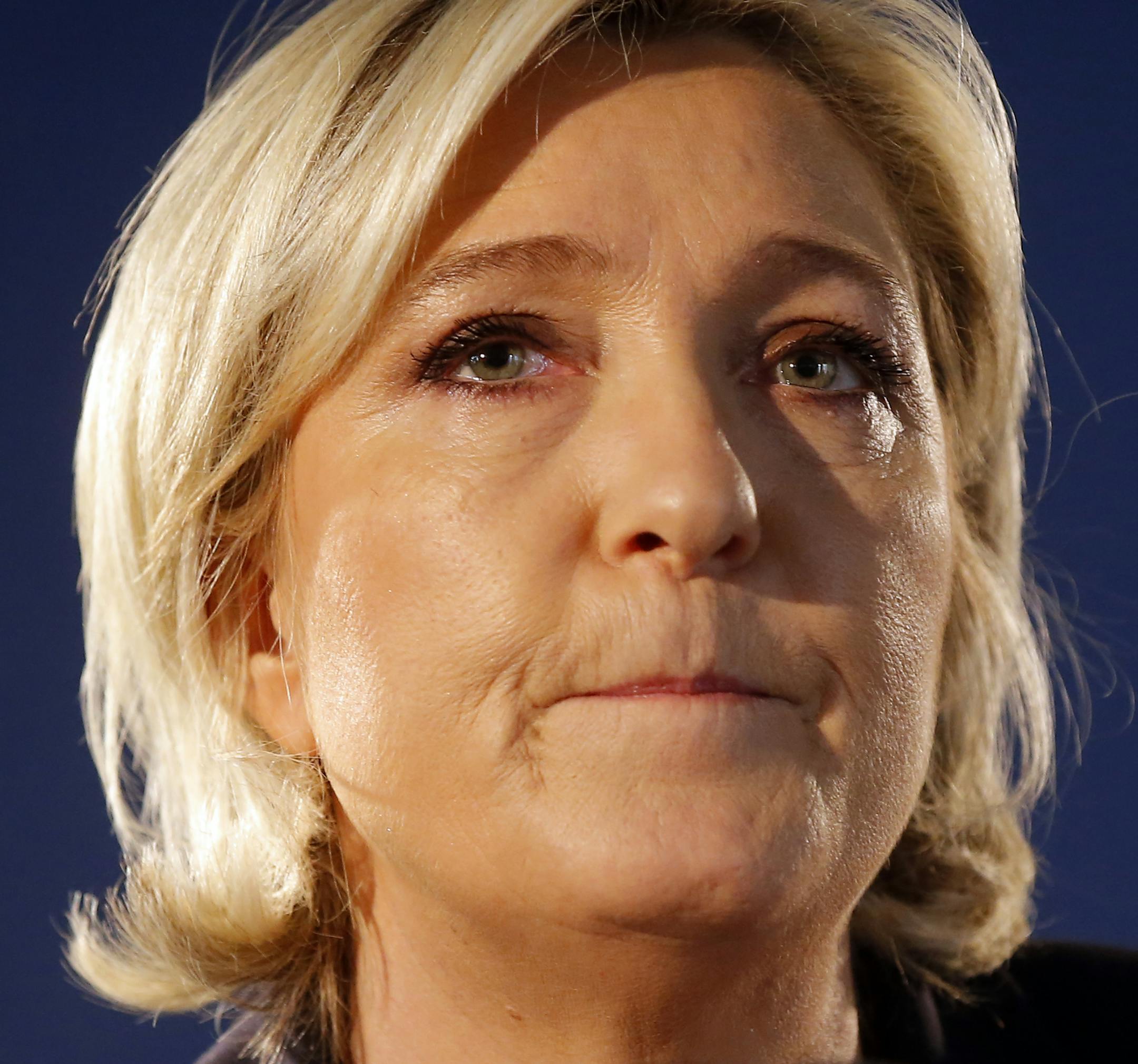
PARIS – Of the four candidates with a realistic chance to become France's next president, three oppose Western sanctions against Russia.
Two would take France out of NATO's military command, or perhaps remove it from the alliance altogether.
And the one candidate who fits neither category would dramatically increase European defense cooperation to lessen dependence on what he regards as an unreliable United States.
When French voters make their choices Sunday in the first round of the country's unpredictable presidential race, the status quo for Western security won't be on the ballot. Instead, the election could become another convulsive moment for a decades-old international security order that is wobbling from the turbulence of President Donald Trump.
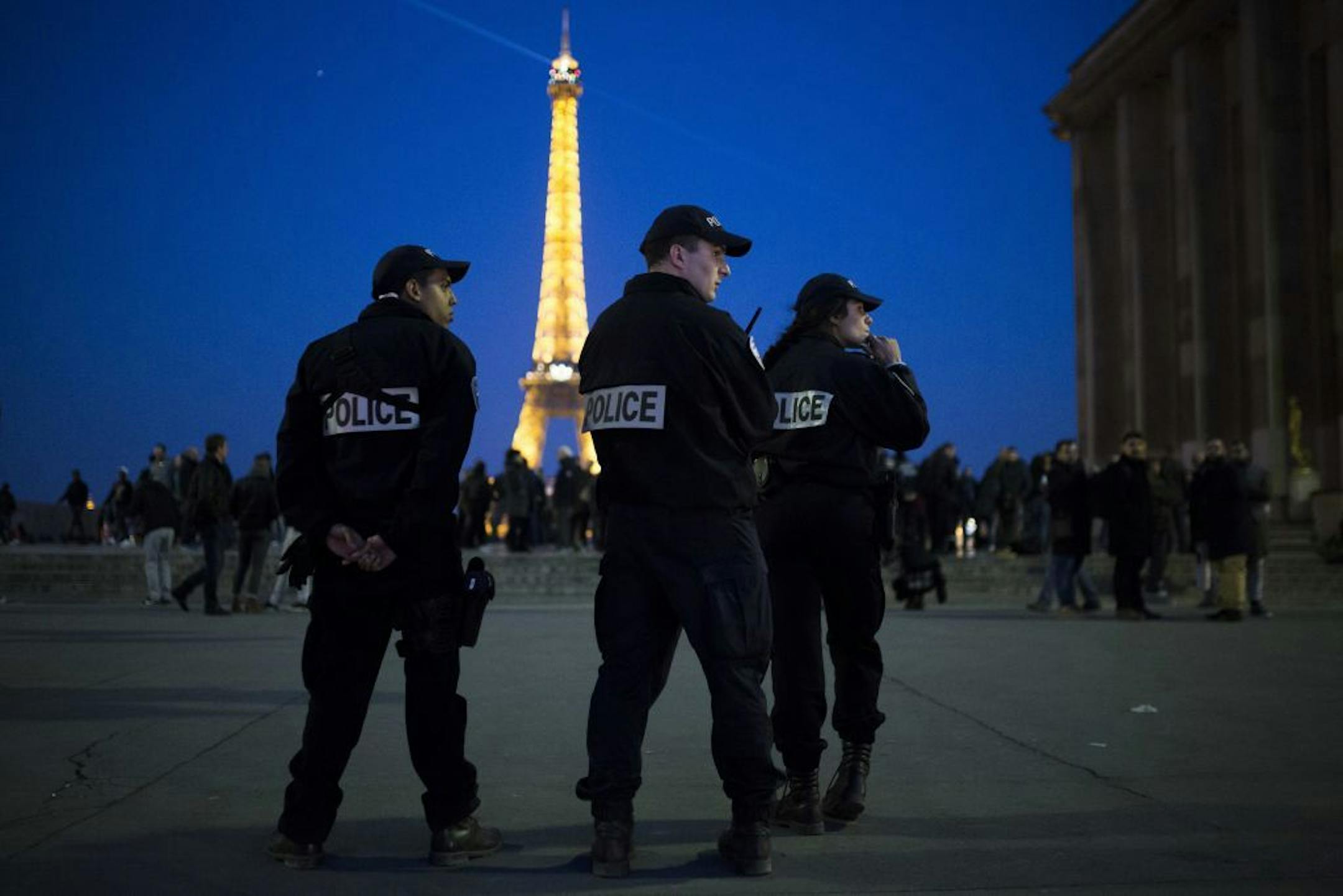
In the run-up to the vote, attention both inside and outside France has focused on the political and economic consequences of a potential French exit from the European Union or the euro currency. With the killing of a Paris police officer Thursday night in an attack claimed by the Islamic State of Iraq and Syria, proposals to close borders and aggressively crack down on domestic security threats are also at the center of debate. But the election's impact on NATO and other elements of defense could be equally profound.
Victory for either the far-right or the far-left — candidates representing either extreme are among those locked in the four-way contest for a ticket to the second round — would mark a pronounced break for a country that is one of two nuclear-armed powers in Europe, with the world's sixth most powerful military and a seat on the United Nations Security Council.
"It would be catastrophic — the undoing of 65 years of foreign and security policy," said François Heisbourg, an analyst with the Foundation for Strategic Research and a former defense ministry official. "This is big."
If there's peril for the West, there's opportunity for Russian President Vladimir Putin. Russia meddled in the U.S. election to help Trump, according to U.S. intelligence agencies. Whether it's interfering in France is less clear. But analysts say the election offers another potentially disruptive moment for the West that Russia would relish — and likely seek to exploit.