![Erin Horne McKinney, center, standing brought her parents Roni and Alexander McKinney, her sons Malachi, 13 and Solomon,18, and her niece Aliya, 17, to live together in her New Brighton home. They moved here two weeks ago and are still unpacking boxes. ] GLEN STUBBE • glen.stubbe@startribune.com Monday, November 9, 2020 People who have decided to make the Twin Cities their part-time home during the pandemic. EDS, Malachi is on the left, Solomon on the right, hugging his mom Erin, Both sons have](https://arc.stimg.co/startribunemedia/NJSNGZ3XZTYRBYBK7Q76KUT6RQ.jpg?&w=1080)
Buying a rambler in the Twin Cities and setting up an intergenerational household was nowhere on Erin Horne McKinney's plans for 2020.
"I thought we'd hunker down in Minnesota for the first wave [of the pandemic] but we never got past it," said McKinney.
A tech and economic development executive, McKinney, 45, is a Minneapolis native who left town for college and went on to hold senior leadership positions in Washington, D.C., the Bay Area and Cleveland. She thought it would be a good idea to return temporarily, as the pandemic began, to keep an eye on her ever-more-fragile parents. She rented an apartment near them, fired up her work as a remote contractor and enrolled her two sons in online learning at a local school.
"Pretty soon I realized this temporary move was going to stick," she said. "I had to do a huge life pivot. I am needed here right now, and we all benefit from being together."
Earlier this fall, McKinney closed on a home in New Brighton for all of them, plus their pets and her teenage niece.
"We were intentional about buying a place we could make into a sanctuary, with a backyard, one-floor living for my parents and space for everyone," she said. "It's a lot of considerations, and it's all connected."
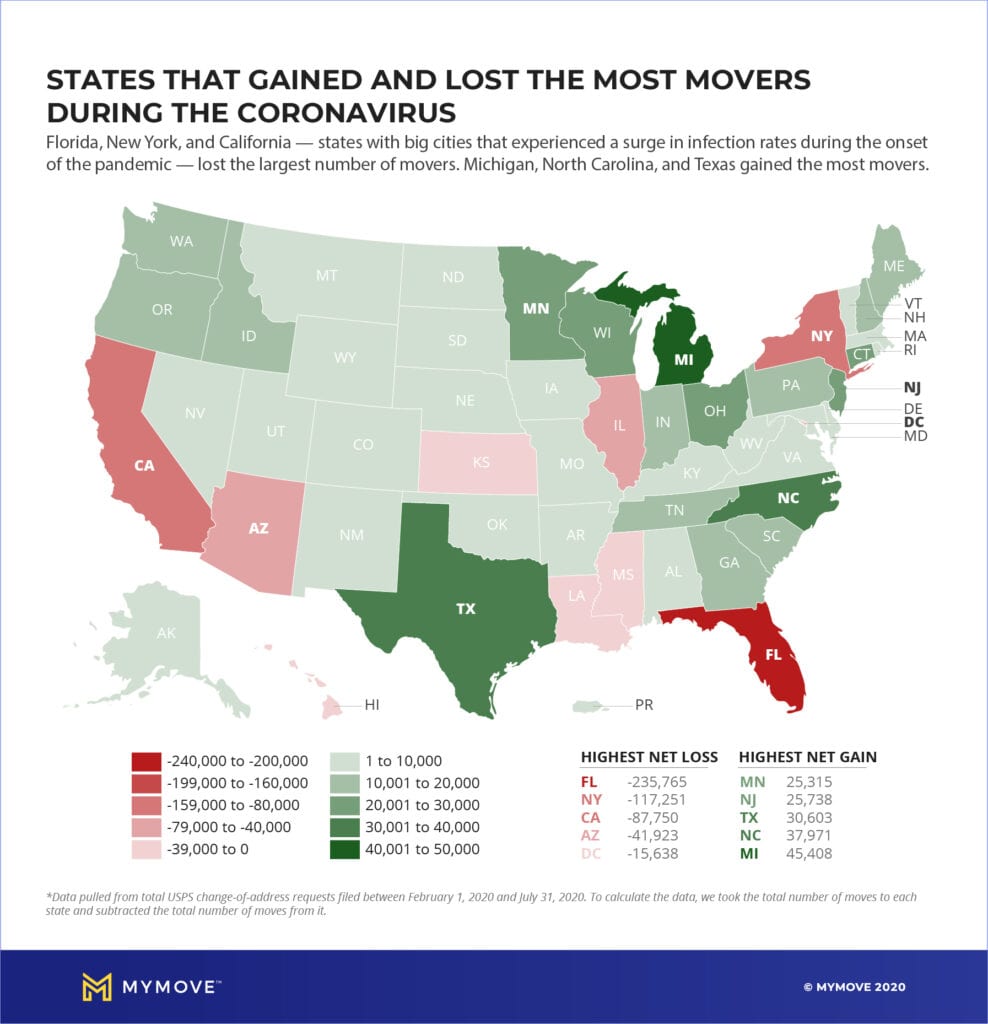
The Twin Cities area is seeing an influx of COVID-19 migrants, people who have been untethered from their lives in other places and have landed locally. The unexpected consequences of the pandemic will prompt some of them to settle here while others will move on after a temporary stop.
"These are workers who've been living someplace because their jobs were there. They've been told by their employers that they won't be back in the office until sometime next year. They can work in a virtual environment for the foreseeable future, and they're trying out life in other cities," said Matt Lewis, vice president of strategic initiatives for Greater MSP, the economic development organization that tracks the regional workforce.