

So now it's the French who are frantically closing their embassies, worried about violent mobs enraged after the satirical magazine Charlie Hebdo published cartoons, some of them pornographic, mocking the Prophet Mohammed.
France's official response has been more restrained than last week's raft of apologies from the U.S. government after violence blamed on the incendiary video "Innocence of Muslims" swept across the Middle East, leading to attacks at U.S. diplomatic outposts and the death of four U.S. diplomats. But some commentators argue that if speech makes people angry enough to do terrible things -- like murder -- we should consider ways to restrain it.
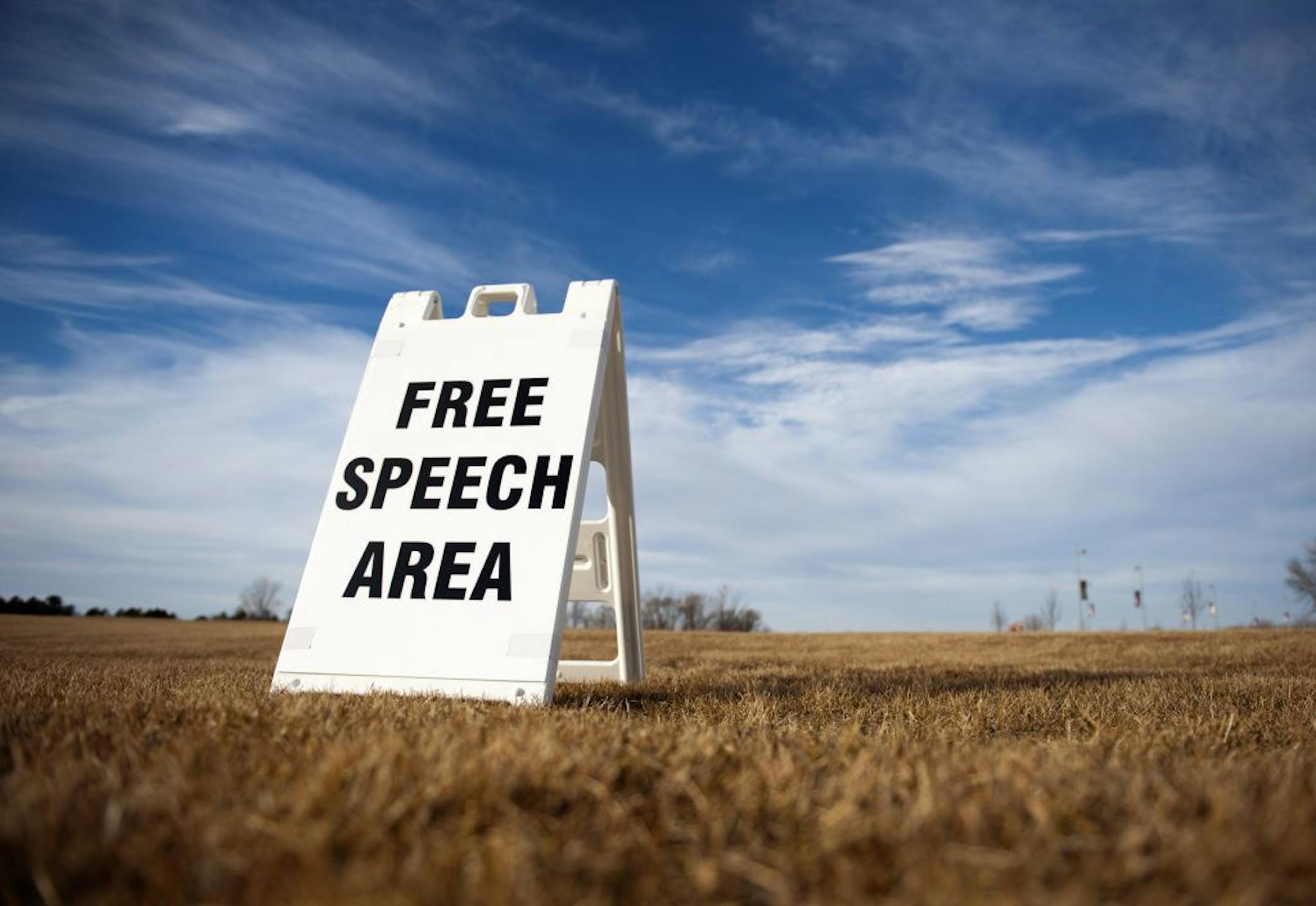
In light of this swirling argument, and the swirling violence that influences it, we should take a moment to consider what it is that makes free speech so valuable, and its suppression so dangerous. This is a moment not to yield to demands for censorship, but to defend and even celebrate the freedoms that the makers of the video and the cartoons so grossly abuse.
A useful place to start is Dworkin vs. L.F.P. Inc., a nearly forgotten defamation ruling issued by the Supreme Court of Wyoming 20 years ago this week. The case involved a Hustler magazine article attacking antipornography crusader Andrea Dworkin. The article called her a number of filthy names, and went on to contend that Dworkin "advocates bestiality, incest and sex with children." She sued, claiming defamation. She lost.
The Hustler article may have grossly distorted her ideas, the court wrote, but the First Amendment protects the right even of so scurrilous a magazine to publish so scurrilous an article about so public a figure: "Ludicrous statements are much less insidious and debilitating than falsities that bear the ring of truth. We have little doubt that the outrageous and the outlandish will be recognized for what they are."
The article was trash. The article was false. The article was inflammatory. Dworkin's outrage was entirely justified. But the court reached the right result. Dworkin was a public figure, said the court, and therefore even so unsympathetic a defendant as Larry Flynt, Hustler's publisher, had the right to make absurd assertions about her beliefs, and to engage in hyperbole intended to hold her up to ridicule.
The best statement of our constitutional rule remains the one announced by the U.S. Supreme Court 40 years ago in Police Department of the City of Chicago vs. Mosley: "To permit the continued building of our politics and culture, and to assure self-fulfillment for each individual, our people are guaranteed the right to express any thought, free from government censorship." The government, said the court, "has no power to restrict expression because of its message, its ideas, its subject matter, or its content."
That's why the American Nazi Party couldn't be prevented from marching in Skokie, Illinois, in 1977. That's why the members of Westboro Baptist Church were free to picket the funeral of Lance Corporal Matthew Snyder in 2006. That's why protesters have the right to burn the U.S. flag.


