

Editor's note: To protect privacy, ThreeSixty Journalism has changed the name of Abigail in this story.
Abigail started using Real Player, an online software, to download music illegally from the Internet two years ago.
Like other teenagers, she was strapped for cash. Although Abigail would rather respect her favorite artists and pay for their music, she didn't have the money.
In recent years, more teens like Abigail have been getting their music online, both legally and illegally. Now the 15-year-old Twin Cities resident has moved on to Spotify, a free and legal music streaming software that, some musicians argue, still doesn't compensate artists fairly.
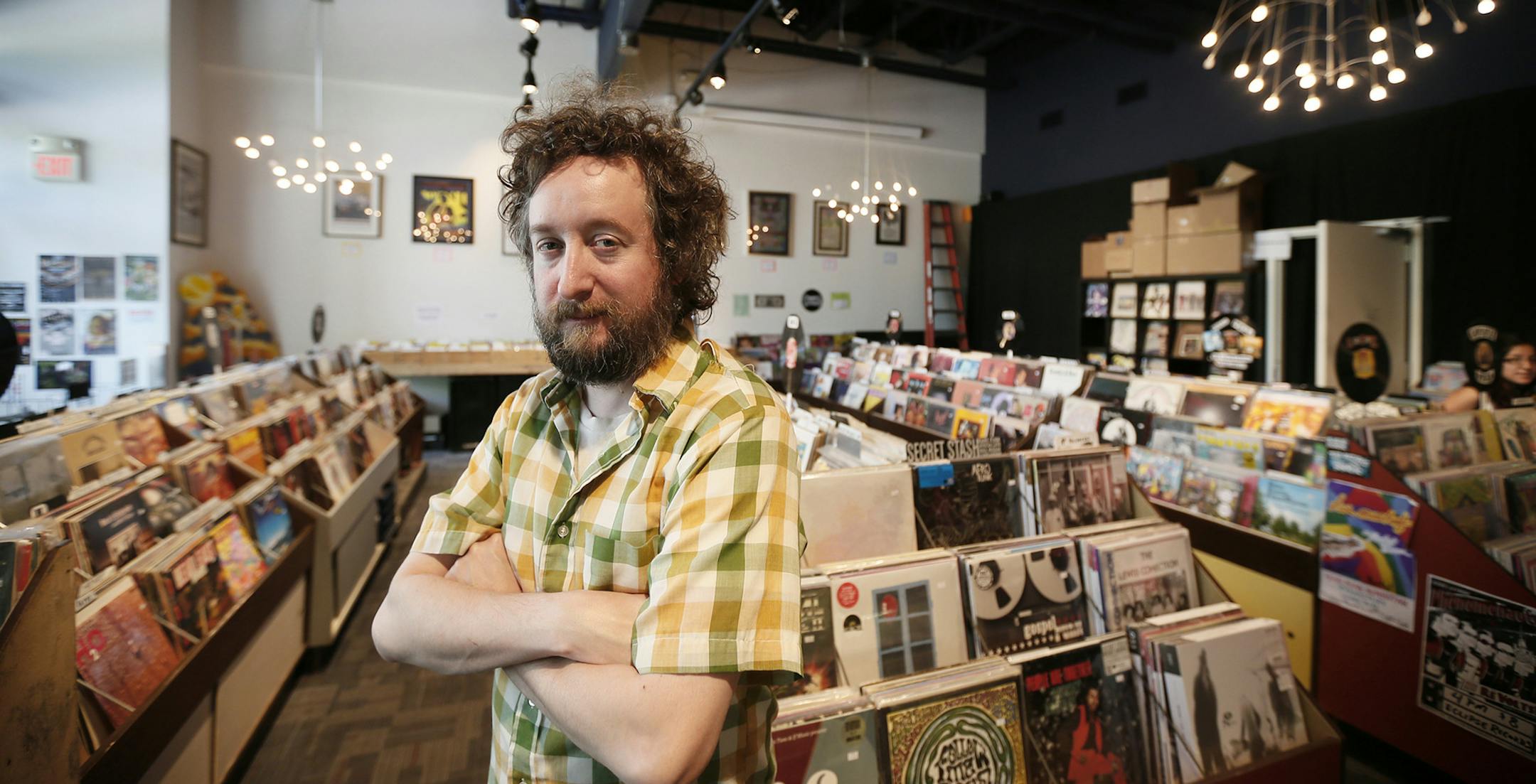
The ability to access free music digitally is taking a toll on brick-and-mortar record stores, not to mention artists — especially those on the local scene — who aren't benefitting financially from their art. Abigail wants to support musicians, but it's also hard to beat "free."
"[I think music is] something worth owning, because then you can always bring it with you anywhere, and share the joy that music brings you. I mean, the artist worked on it super hard to make a living," said Abigail, who figures 30 percent of her music library is from illegal downloads. "I'd rather honor and respect that, but [I wish] it was less of a hassle for money."
Music pirates don't always consider the consequences of illegal music downloads. According to Thomas Cotter, a professor of law at the University of Minnesota, the consequences for music pirating can be fines anywhere from $750 to $30,000 per song, and up to $150,000 for every album.
In one of the country's highest profile digital piracy cases, Jammie Thomas-Rasset of Brainerd was sued by the Recording Industry Association of America (RIAA) for downloading 24 copyrighted songs illegally and sharing them with millions of people on Kazaa, a peer-to-peer (P2P) software. After spending eight years and three federal trials fighting the lawsuit, she ended up with a fine of $220,000.


