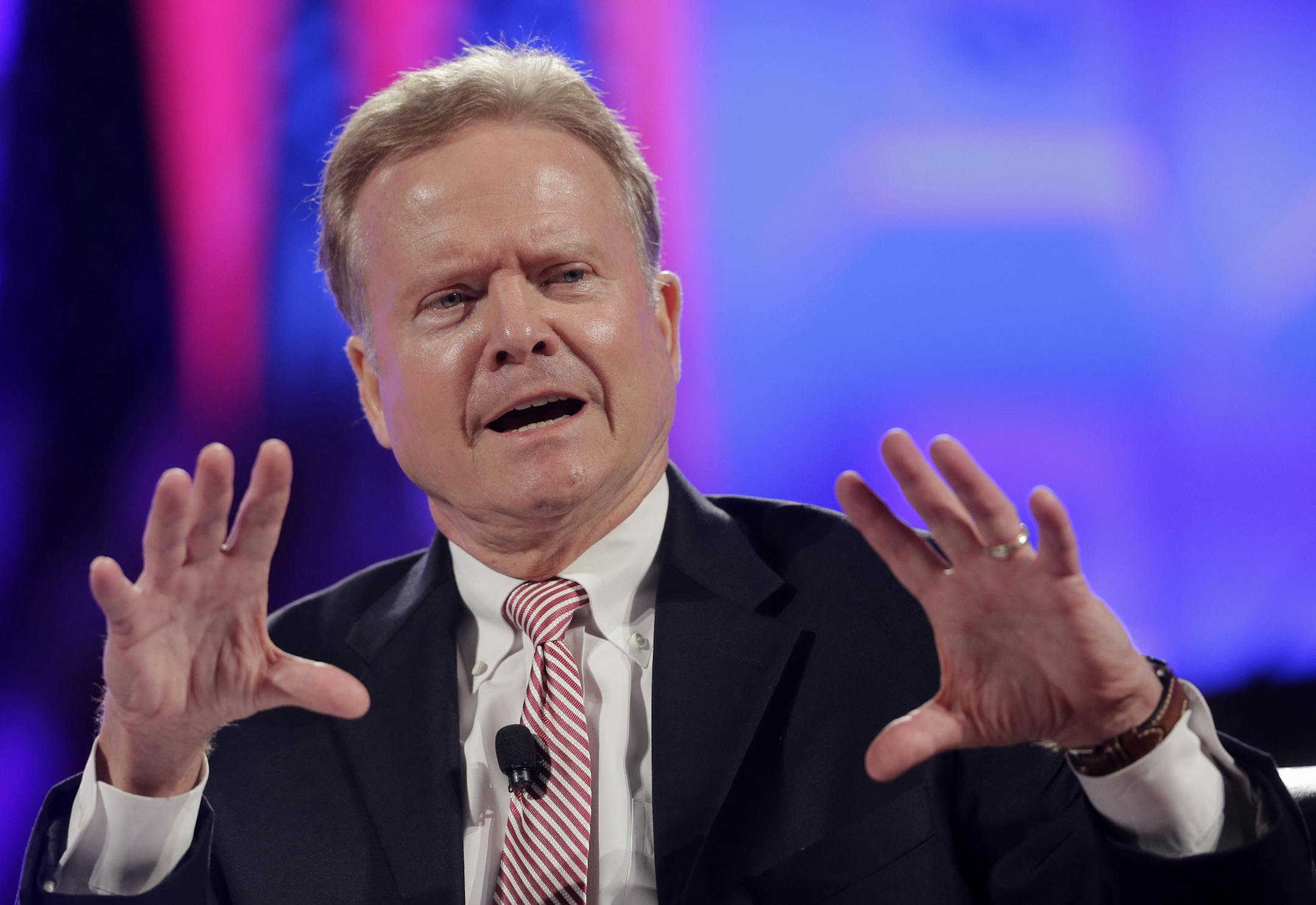
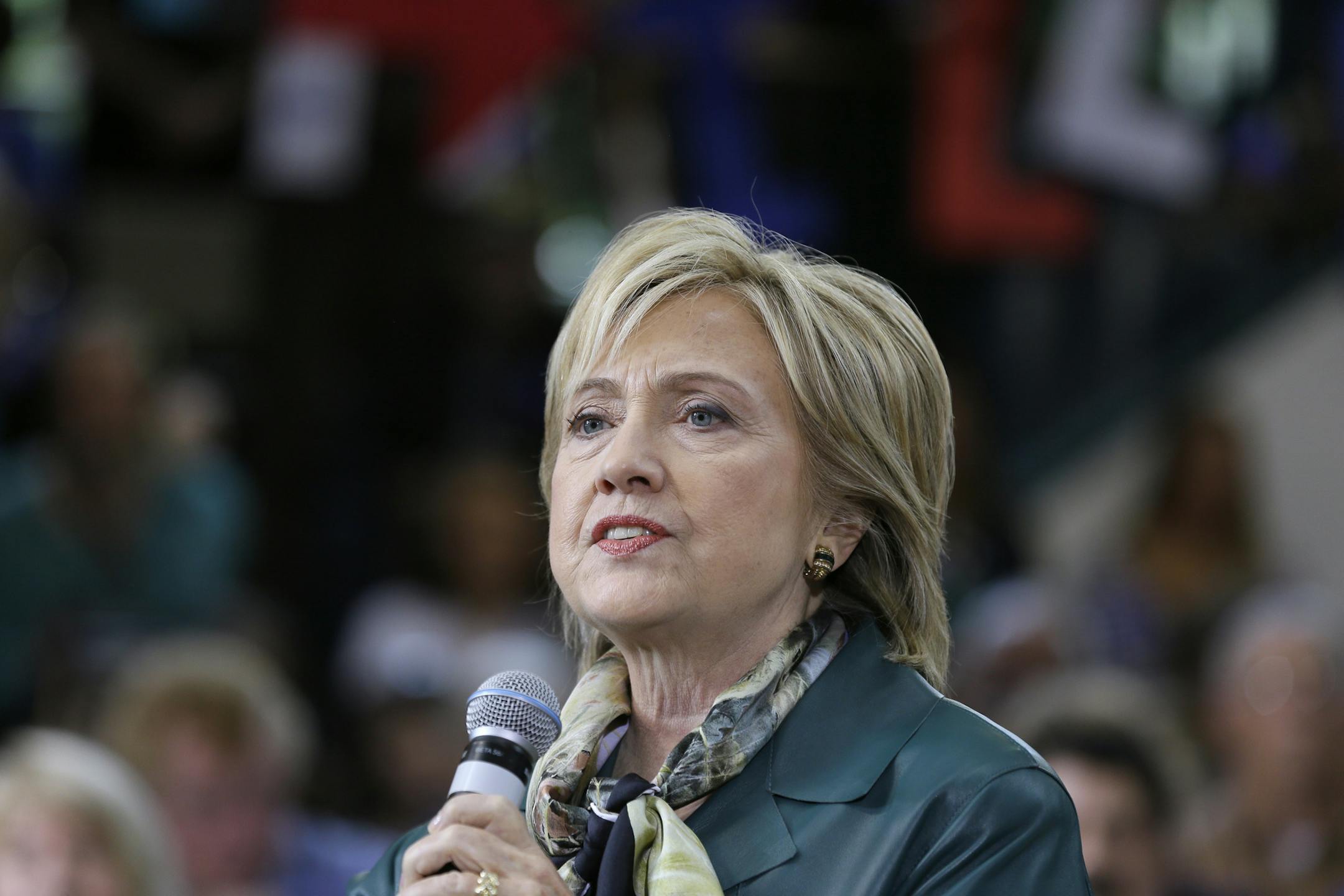
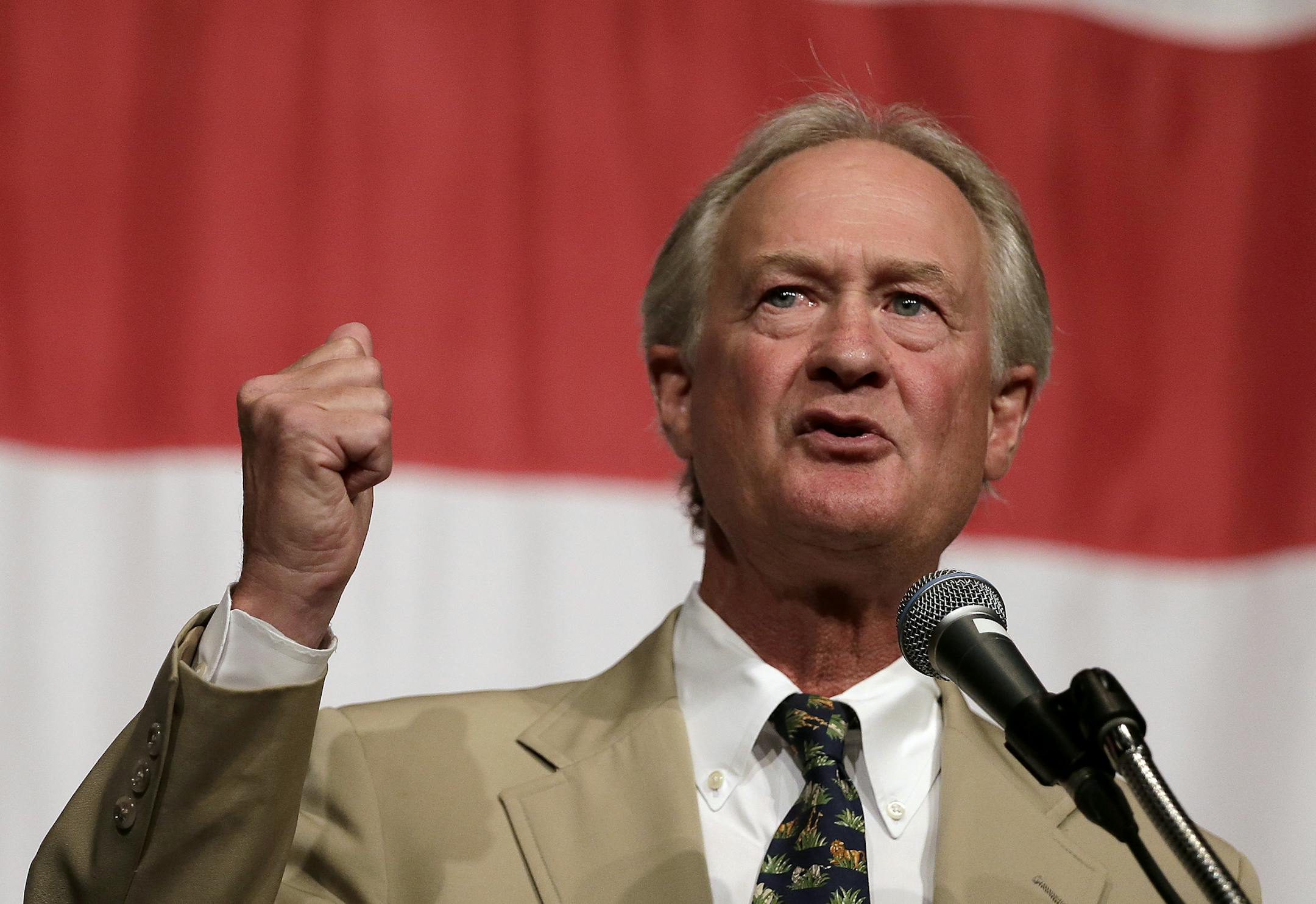
Hillary Clinton takes the debate stage for the first time in this campaign Tuesday night to face four rivals looking for something — anything — to knock down her lead in the race for the Democratic nomination for president. Clinton must use the debate to explain her rationale for her second candidacy for the White House or risk seeing her chief rival, Sen. Bernie Sanders of Vermont, stealing her front-runner status, which already has eroded in part because of the inquiries into her use of personal e-mail for government business. The two-hour debate at the Wynn Las Vegas will feature the five Democratic candidates who received at least 1 percent in a trio of national polls within the past six weeks. Vice President Joe Biden, who is considering a run, will not participate.
How does Clinton relate?
The former secretary of state, U.S. senator and first lady has been trying throughout the campaign to show she can relate to working American families after years of being criticized as an out-of-touch Washington insider garnering hefty paychecks for speeches and books.
With recent polls showing an increasing number of voters do not trust her or believe she understands their problems, it's clear she has more work to do to show them that she's not forgotten her middle-class, Middle America sensibilities. Just last week, she poked fun at herself on "Saturday Night Live."
Will Clinton be able to articulate a softer side by speaking about herself, her family or those she has met on the campaign trail, or will she continue to appear overly cautious and inaccessible?
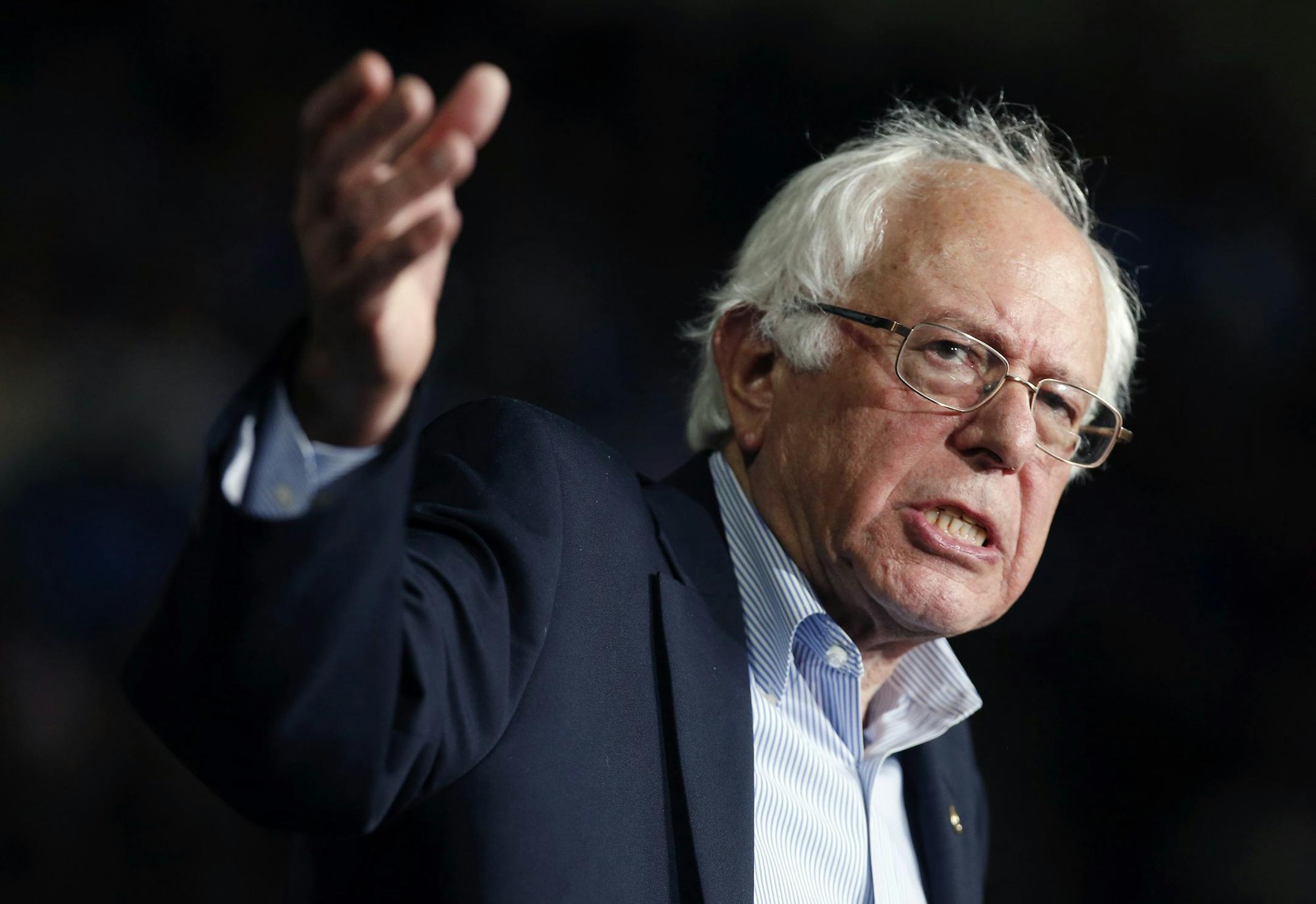
Does Sanders look like a protester or a president?
Sanders has drawn massive crowds and millions of dollars by being a champion of the underpaid, overworked American worker.
The 74-year-old self-described democratic socialist boasts a passionate following — which engages in enthusiastic tweets that use the hashtag #FeeltheBern — but he isn't well known for much more than blasting what he calls the "billionaire class."
For Sanders to be seriously considered, he needs for potential voters outside the early states to get to know him better.
Will he use the debate to speak confidently about a host of other policy issues — foreign and domestic — and explain how he would govern as a president?
![Democratic hopeful Martin O'Malley spoke to the DNC summer meeting. ] GLEN STUBBE * gstubbe@startribune.com Friday, August 28, 2015 Democratic National Committee Summer Meeting is being held in Minneapolis beginning Thursday. Hillary Clinton, Bernie Sanders, Martin O'Malley, Lincoln Chafee and Jim Webb are expected to address DNC meeting goers.](https://arc.stimg.co/startribunemedia/BKQIQS7CWLYC63QJW7U5W7HDZA.jpg?&w=1080)