Ready for some lessons about a favorite beverage? New textbooks will keep you engaged.
Beer's rising popularity has brought with it an avalanche of books aimed at elevating consumer knowledge. Even five years ago, good books on beer were hard to find. Now beer lovers of all levels have easy access to a vast assortment of books on tasting beer, brewing beer, beer chemistry, cooking with beer and pairing beer with food, among many other topics.
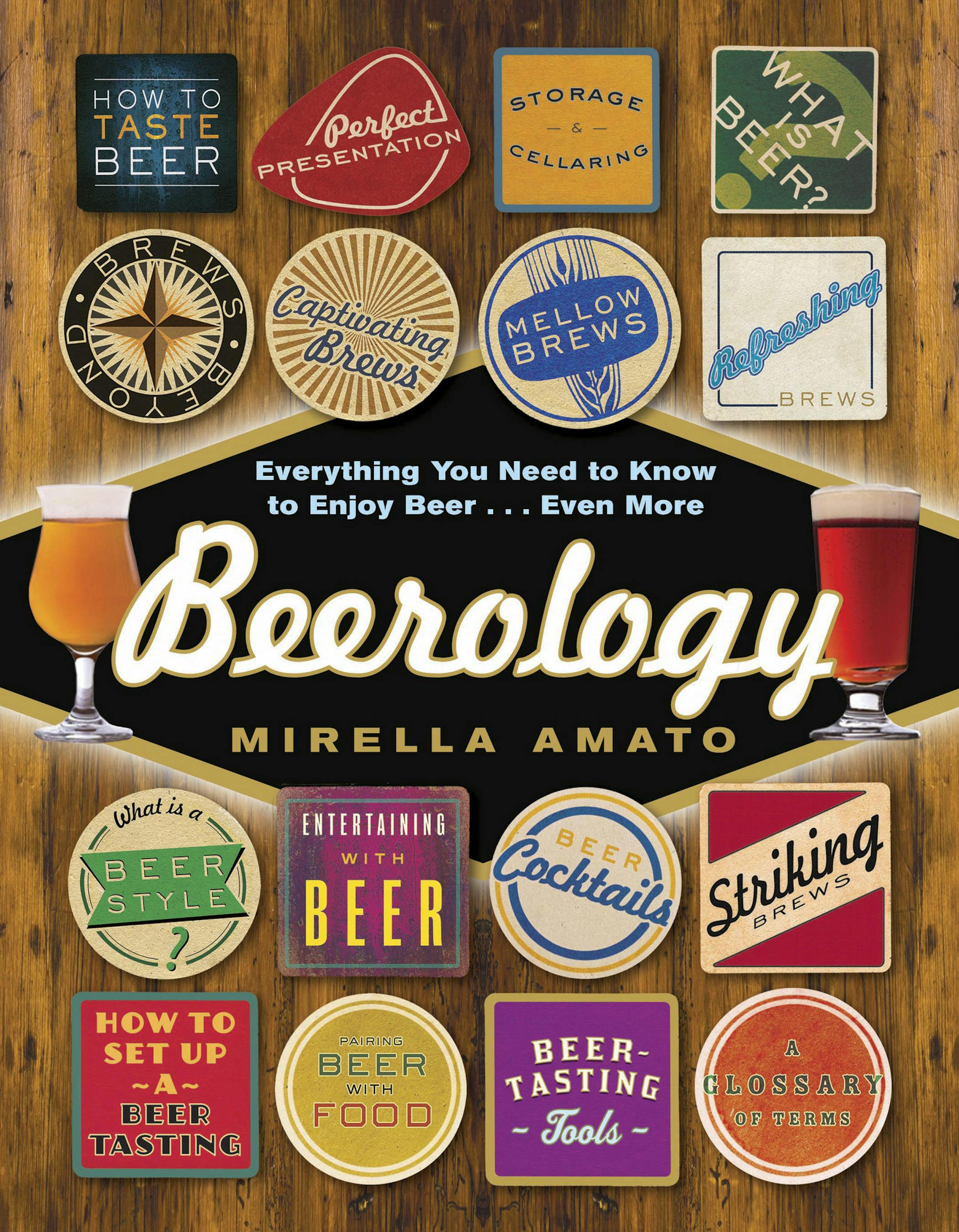
"Beerology" (Appetite by Random House, $24.95), by Toronto-based master cicerone Mirella Amato, is a great book for those just getting into beer or for moderately experienced drinkers looking to deepen the enjoyment of their favorite beverage. Amato delivers an easy-to-read and comprehensive guide to beer that covers everything from beer styles to tips on hosting a beer-tasting party. The section on pairing beer and food is thorough, starting with basics such as matching flavor intensity and building to specific flavor interactions between beer and food. The final chapter provides handy tools for evaluating beer, with tasting forms and graphs that illustrate things like color and bitterness by style.
One of the best things about "Beerology" is the way that Amato presents beer styles. Beers are grouped by character — refreshing, mellow, striking, captivating, and brews beyond — giving novice drinkers an easy entree to comprehending the dizzying array of styles being brewed. Within each grouping, she gives detailed descriptions of just a handful of styles with recommendations of beers to try. It's informative without being overwhelming.
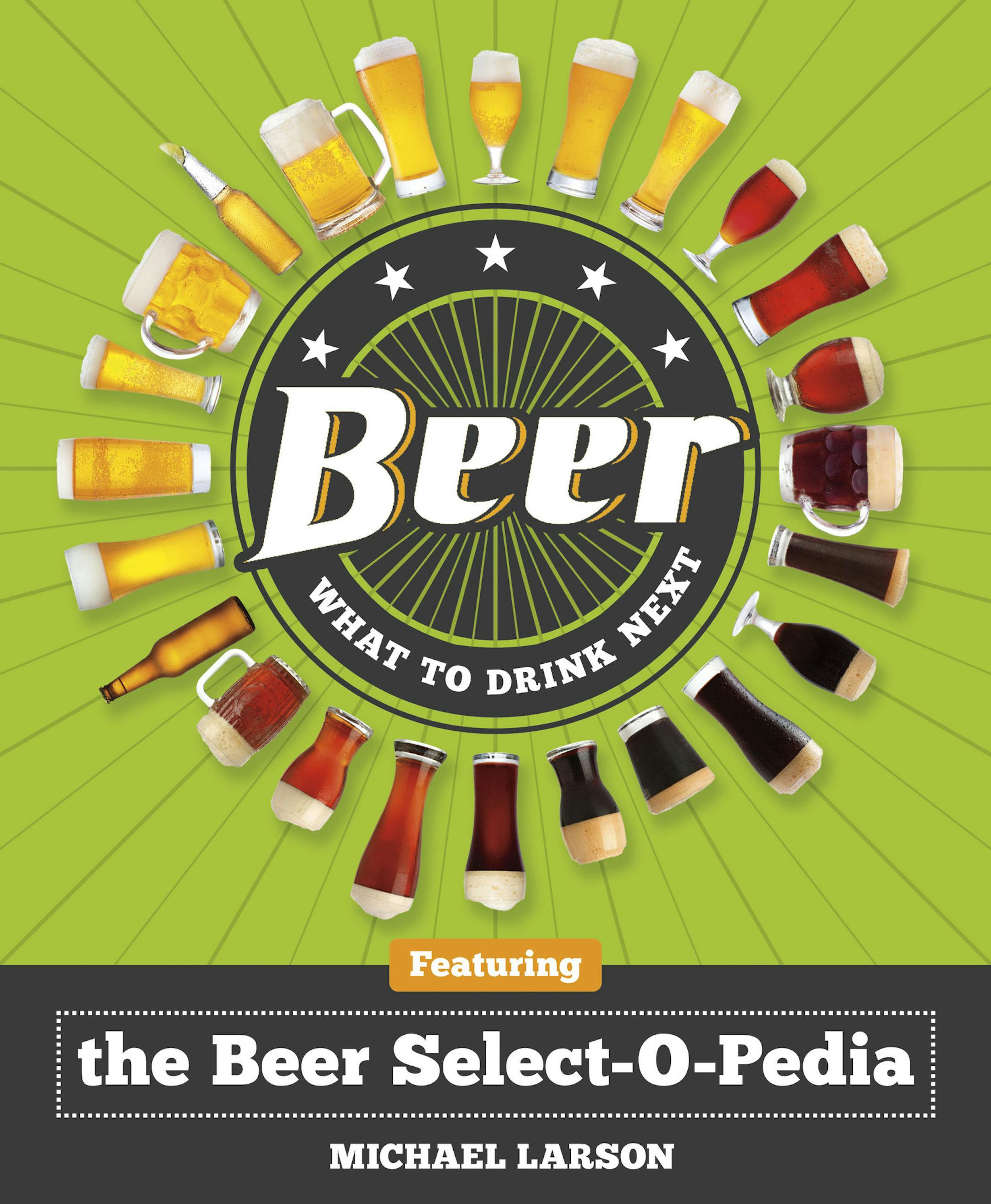
Michael Larson's "Beer: What to Drink Next" (Sterling Epicure, $14.95) is billed as a "beer select-o-pedia." Its colorfully graphic presentation is intended help drinkers navigate the sometimes confusing sea of beers and beer styles.
The book is organized around a "Periodic Table of Beer Origins" that looks and functions much like the table of elements familiar from science class. Beer styles are charted by place of origin indicated by color. Each is assigned an "atomic symbol" — an abbreviation by which it is identified. The book's pages are color-coded, allowing the reader to easily find the section for each grouping.
Within each section, beer styles are ordered by color from lightest to darkest. Each style is given a two-page spread that includes a brief history, a description, three beers to try and suggested food pairings. A color diagram of the style's "atomic structure" offers fun facts, tasting notes and suggested breweries plotted onto concentric circles.
While the detailed style descriptions are packed with useful information, the book's organizing principle ultimately comes off as gimmicky. The tasting notes are often annoyingly vague, using such meaningless descriptors as "satisfying," "malty" or "drinkable." The book is riddled with small factual errors or just plain odd statements, such as writing that a bottle-conditioned German wheat beer is ready to drink after three to four weeks in the bottle, an assertion that can be made about almost every ale on the market.