

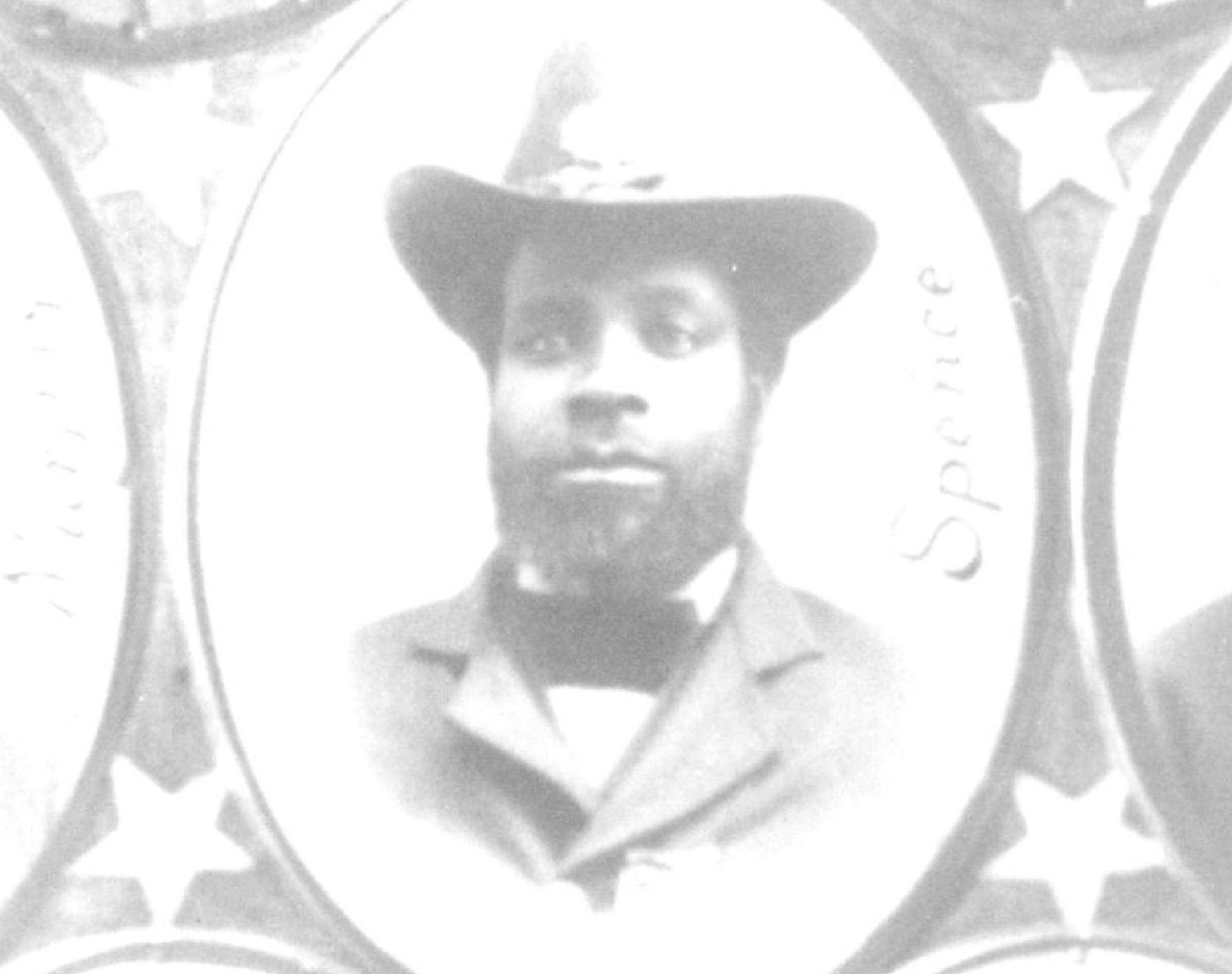
Al Van Spence was the lamplighter of Litchfield. Each dawn and dusk from 1880 to 1904, "the short, portly and proud" man would stop his horse-drawn wagon and position his ladder to clean, fill, ignite and then, at day's end, snuff out the eight kerosene street lamps that illuminated his central Minnesota village.
Thanks to a fat file tucked away at the Meeker County Historical Society — chock-full with his marriage and death certificates, military pension documents and newspaper obituary — we know oodles about Van Spence.
He stood 5-foot-4. He was an avid gardener. He married Missouri Jay Blair in Oakfield, Wis., in 1870. Kids would follow him around because he carried a sack of candy in his pockets, dispensing sweets freely. And he received a $10 monthly pension for his military service.
His "genial disposition radiated sunshine," according to an old newspaper clipping. He laughed deeply, played piano, and sang spirituals while his daughter, Ada, pumped the organ at church and community suppers often held with long tables and family-style servings of oyster stew and chicken pie in the Grand Army of the Republic Hall. Civil War soldiers built the brick castle in Litchfield as a clubhouse after the War between the States.
"His laughter and song always opened the door," according to a poem read at his 1910 funeral. "Where ever he went, he made friends by the score."
That affable and beloved nature masked a traumatic life. Van Spence was born into slavery in Alabama in 1837, raised in Georgia and sold twice before he was 20. He was conscripted into, but ran away from, the Confederate Army — fleeing north despite huge danger to join a black Union artillery division as a private and general's valet. Four of his six kids died before he and Missouri Jay did.
So why zero in on Van Spence as we launch this new, weekly Star Tribune feature on Minnesota history? Two reasons: He's just one example of the countless characters in stories collected — and primed for retelling — in the state's rich network of county historical societies.
But more importantly, Van Spence reminds us that despite all the official records, history remains deliciously mysterious. Namely, how did a former slave wind up spending nearly a quarter-century in a quiet central Minnesota town so far from the backbreaking plantations of his youth?


